
Lieferung heute & morgen

Qualitätsgarantie

Willkommens-Angebote freischalten: KOSTENLOSE Lieferung | Bis zu 80 % RABATT | Kostenlose 30-Tage-JoyPlus-Testphase
App herunterladen
As a Joybuy Product Recommendation Officer, I see dog owners searching for the perfect resting place for their four-legged friends every day. An orthopaedic dog bed promises comfort and support, but the market is crowded and confusing. Before you make a decision, it's crucial to understand the common pitfalls that can lead to disappointment and unnecessary expense.
To avoid these issues, focus your attention on three core parameters. These will help you separate the wheat from the chaff and make an informed decision.
The heart of any orthopaedic bed is its filling. There are significant differences in quality:
Look for a sufficient foam thickness (at least 7-8 cm) to ensure the dog doesn't sink through to the hard floor.
A dog bed will inevitably get dirty, so a practical design is essential. The cover should be fully removable via a durable zipper and machine-washable. Ideally, the material should be washable at 30°C or higher without losing its shape or colour.
An additional quality feature is a waterproof inner liner that protects the foam core from moisture, dirt, and odours. This significantly extends the bed's lifespan and ensures lasting hygiene.
Beyond home comfort, portability is a key factor for many owners. If you often travel with your dog by car, specialised solutions like a dog car seat or a foldable dog crate are a worthwhile addition. These products not only provide safety during the drive but also offer a familiar retreat in new environments, such as on holiday or while camping. A good travel crate for dogs is lightweight, sturdy, and well-ventilated.
Here are some products from our range that are tailored to the specific needs of dog owners and meet the quality criteria mentioned.
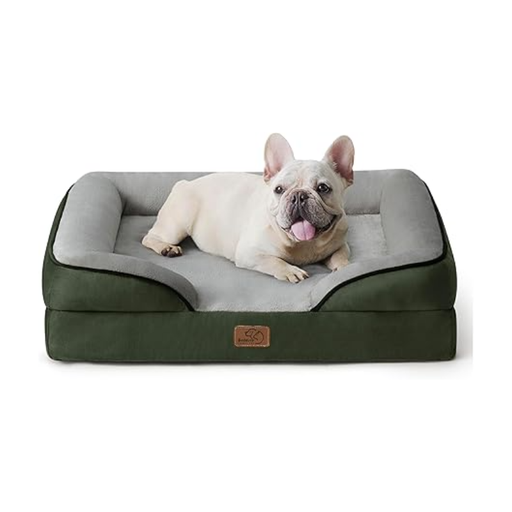
Why This Fits Their Persona: Ideal for owners of smaller breeds who want a true orthopaedic bed with the added security of a sofa design. The raised bolster serves as a headrest and creates a protected space.
This dog sofa avoids the "fake" orthopaedic trap by using egg-crate foam, which is proven to relieve pressure, rather than just offering simple padding.
Fully removable and washable cover with a waterproof inner layer to protect the foam. A non-slip bottom ensures stability.
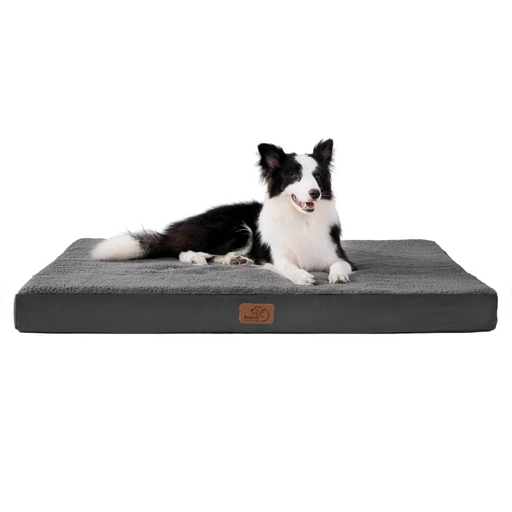
Why This Fits Their Persona: Designed for owners of large breeds who need a durable and spacious dog mat for large dogs. The flat mattress style allows the dog to stretch out completely.
The 8 cm thick foam mattress with an egg-crate structure prevents sinking and the formation of dips, which are common in low-quality beds for heavy dogs.
Suitable for dogs up to 45 kg. The L-shaped zipper makes removing and replacing the washable cover easy. The non-slip bottom provides a secure grip.
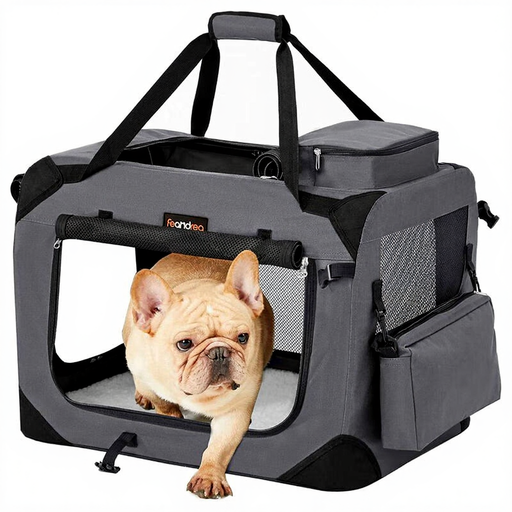
Why This Fits Their Persona: Perfect for dog owners who need a secure and comfortable transport solution for travel, camping, or hotel stays. This travel crate for dogs is a practical alternative to bulky hard-shell carriers.
Unlike flimsy fabric crates, this model features a sturdy metal frame. It collapses to a height of just 8 cm, solving the problem of bulky storage.
Breathable mesh fabric for good ventilation, multiple openings for easy access, and an easy-to-clean fleece mat for comfort.
We have compiled a complete, up-to-date list of products that fully meet these strict selection criteria and safety standards.
A joint-support bed isn't just for seniors or dogs with diagnosed arthritis. It can also be used preventatively for large, heavy breeds, highly active sporting dogs, or dogs of any age to relieve joint pressure and maximise sleep comfort.
The washing frequency depends on several factors, such as shedding, the dog's activity level, and whether they have allergies. As a general guideline, we recommend washing the cover every one to two weeks. A waterproof inner liner significantly reduces the need to clean the foam core.
If a dog chews or scratches their bed, it could be due to boredom, separation anxiety, or simply a natural chewing instinct (especially in puppies). Ensure your dog has plenty of chew toys as an alternative. For "destroyers," choose a bed made from extra-durable materials like ballistic nylon or heavy-duty Oxford fabric and supervise its use initially.