
Lieferung heute & morgen

Qualitätsgarantie

Willkommens-Angebote freischalten: KOSTENLOSE Lieferung | Bis zu 80 % RABATT | Kostenlose 30-Tage-JoyPlus-Testphase
App herunterladen
As a Joybuy Product Recommendation Officer, my role is to provide you with clear, objective information. Choosing the right bed for your dog, especially as they age or experience joint discomfort, is a crucial decision. An orthopaedic dog bed is specifically designed to support your pet's body and relieve pressure points. This guide will help you understand the key features and make an informed choice that contributes to your dog's well-being.
With so many options available, the search for the perfect bed can be overwhelming. To narrow down your choices, focus on three core aspects: material, size, and ease of care.
A joint-supporting dog bed is defined by its fill material. Unlike conventional beds often filled with soft fibres, orthopaedic models use shape-retaining materials. These include high-density foam or specialised structures like egg-crate foam. These materials conform to your dog's body, distribute weight evenly, and return to their original shape after use. This prevents sagging and ensures consistent support for the spine and joints.
Size is crucial for comfort. A bed should be large enough for your dog to stretch out completely. Measure your dog from the tip of their nose to the base of their tail while they are stretched out, then add 20–30 cm to determine the ideal length or diameter. This is especially important for a dog bed for large dogs.
The shape depends on your dog's sleeping habits:
Hygiene is a key factor in your pet's health. A washable dog bed is a fundamental requirement. Look for models with a removable, machine-washable cover. A waterproof inner liner can further protect the foam fill from accidents and spills, increasing the bed's longevity. A non-slip dog bed is also an important safety feature. A rubberised or studded base prevents the bed from sliding on smooth floors like tile or hardwood when your dog jumps in or out.
Based on these criteria, we have curated a selection of products that stand out for their material quality, functionality, and design.
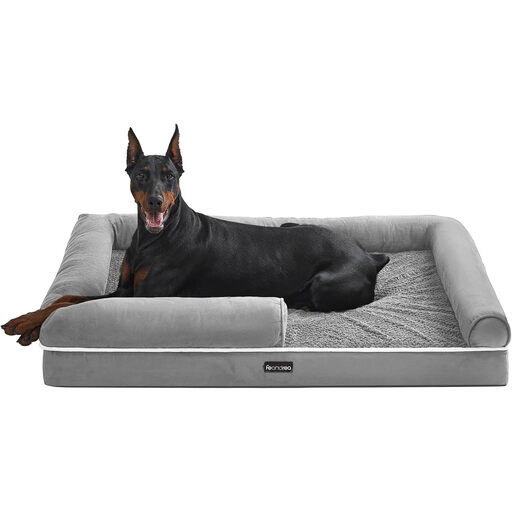
Why it stands out: This sofa-style model, with its raised bolsters, provides a secure and cosy environment that invites your dog to lean back and rest. The generous sleeping surface is well-suited for larger breeds.
Key Features:
Best for: This bed is an excellent choice for owners of large dogs seeking a durable and supportive dog sofa that provides a sense of security.
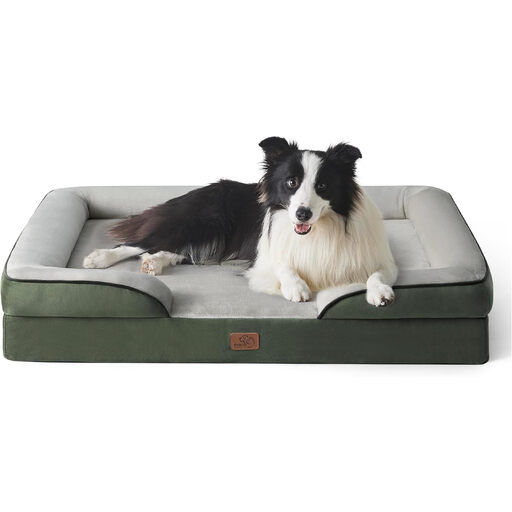
Why it stands out: The BEDSURE Dog Sofa combines an ergonomic fill with thoughtful protective features. The egg-crate foam conforms to the body, ensuring excellent pressure distribution.
Key Features:
Best for: Ideal for owners of medium-sized dogs (up to 30 kg) who value a durable, easy-to-maintain solution with excellent joint protection.
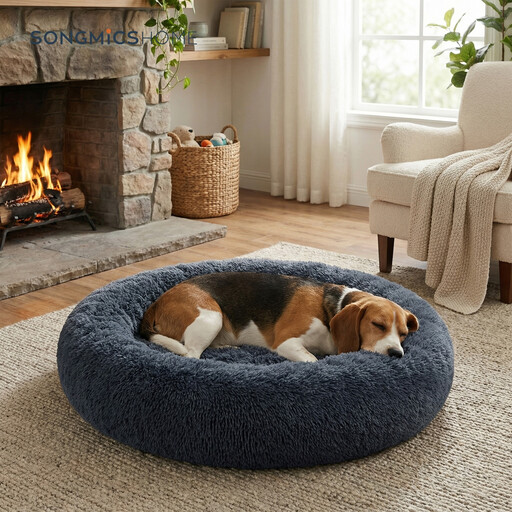
Why it stands out: This donut dog bed is specially designed for dogs who love to curl up while they sleep. The long-plush material and soft filling create an exceptionally cosy and calming sleep environment.
Key Features:
Best for: An excellent choice for medium-sized dogs who prefer a secure, enclosed sleeping space and enjoy cuddling up.
If you haven't found the perfect model for your dog among these recommendations, or if you're looking for different sizes and designs, we have more to offer. An orthopaedic dog basket or another sofa style might be the right alternative. You can find more options in our broader selection.
Explore Our Full Range of Dog Sofas
A dog bed is considered orthopaedic when it is made from pressure-relieving materials that conform to and support the dog's body. Unlike soft fillings that can clump over time, materials like high-density foam retain their shape and distribute weight evenly. This helps keep the spine and joints in a neutral position.
For good hygiene, it is recommended to wash the dog bed cover every one to two weeks, or more frequently if it's heavily soiled or if your dog has allergies. Having a washable dog bed is therefore an important feature. Always follow the manufacturer's washing instructions to ensure the material's longevity.
To determine the correct size, observe your dog's preferred sleeping position. Measure them from their nose to the base of their tail while they are lying stretched out. Add about 20 to 30 centimetres to this measurement to ensure they have enough space to move and change positions comfortably.