
Lieferung heute & morgen

Qualitätsgarantie

Willkommens-Angebote freischalten: KOSTENLOSE Lieferung | Bis zu 80 % RABATT | Kostenlose 30-Tage-JoyPlus-Testphase
App herunterladen
A quality sleeping area is essential for a dog's well-being. For senior dogs, large breeds, or pets with joint problems, the right bed can significantly improve their quality of life. An orthopedic dog bed is specifically designed to provide optimal body support, relieve pressure points, and promote restful sleep.
This article serves as a comprehensive guide. We will introduce various models and their specific features to provide you with a solid basis for making an informed decision. Our goal is to help you find a sleeping space that meets your dog's individual needs for comfort, health, and hygiene.
The market offers a vast selection with diverse features. To make the right choice, several fundamental criteria should be considered.
The filling is the core of any orthopedic dog bed. Materials like memory foam (visco-elastic foam) adapt precisely to the dog's contours in response to body heat and weight. This ensures even pressure distribution, making the bed particularly joint-friendly. An alternative is egg-crate foam, whose convoluted structure also helps relieve pressure and allows for good air circulation. For dogs that love to snuggle, a soft PP cotton filling in beds with a high rim, like a donut dog bed, can provide a sense of security.
Keeping a dog bed washable is essential for hygiene. Look for models with a removable cover that is ideally machine-washable. Materials such as polyester, faux leather, or specially coated fabrics are often dirt- and water-resistant and easy to clean. This prevents the build-up of hair, dirt, and allergens.
The shape of the bed should match your dog's sleeping habits.
Measure your dog while stretched out, from nose to tail base, and add 15–25 cm to determine the right size. For large breed dogs, a sufficiently large and stable sleeping surface is especially important. A non-slip coated underside also prevents the bed from sliding on smooth floors. For outdoor use, there are special outdoor dog bed models made from weatherproof materials.
Based on the criteria mentioned, we have compiled a selection of dog beds with different specialities.
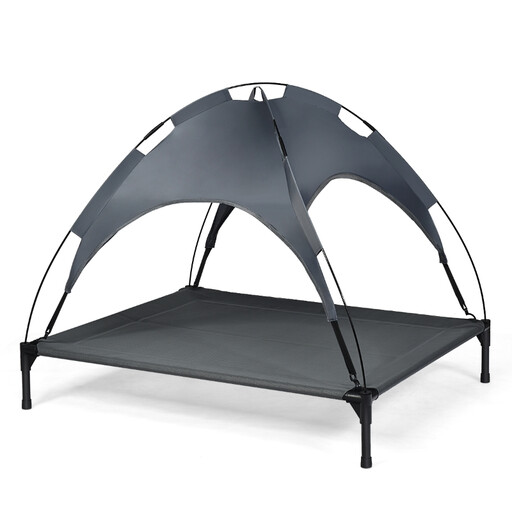
Why It Stands Out: This model combines an elevated bed with a removable canopy, making it a practical solution for outdoor use. The raised design promotes air circulation and keeps the dog off damp or hot ground.
Pros:
Who Is It For?: For dog owners looking for a flexible sleeping option for the garden, balcony, camping, or beach. It's an excellent choice for summer or for regions with a humid climate.
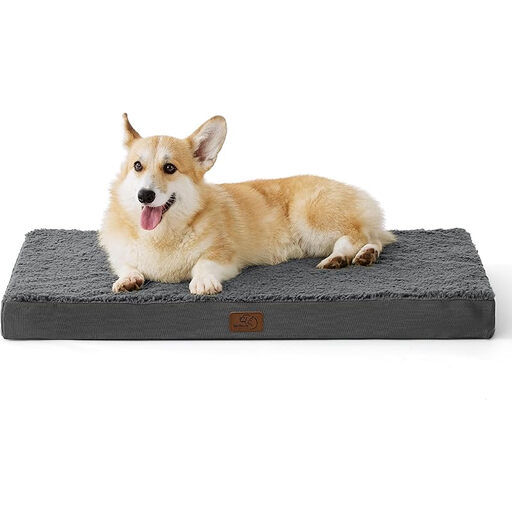
Why It Stands Out: This dog pillow uses a 7.6 cm high egg-crate foam to ensure even weight distribution and pressure relief. The classic, flat design offers straightforward and effective orthopedic support.
Pros:
Who Is It For?: For medium-sized dogs up to 34 kg, especially seniors or dogs with existing joint problems who prefer a flat, supportive sleeping surface. It also fits well in dog crates or on elevated bed frames.
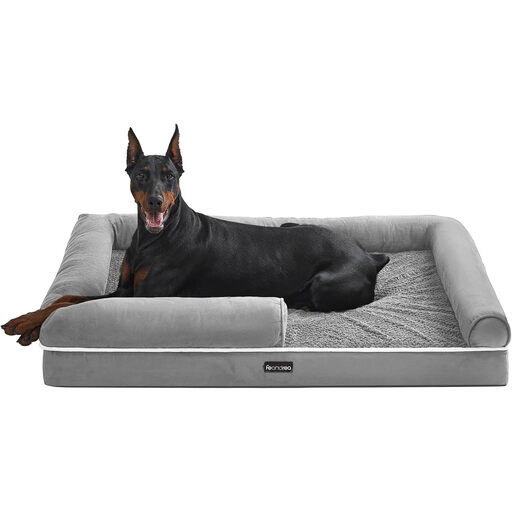
Why It Stands Out: This dog sofa provides a cosy and secure environment with its raised, padded bolsters. The combination of a supportive foam base and soft edges makes it a comfortable retreat for large dogs.
Pros:
Who Is It For?: For large dog breeds or dogs that love to lean against edges or rest their head in an elevated position while sleeping.
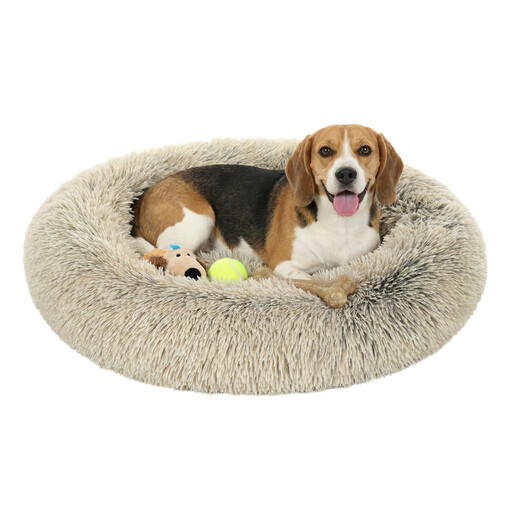
Why It Stands Out: The classic donut dog bed is specially designed for dogs that love to curl up. The long-pile plush and soft filling create an exceptionally cosy and calming sleep environment.
Pros:
Who Is It For?: For small to medium-sized dogs that love to snuggle while sleeping and prefer a warm, secure environment.
Every dog's needs are unique. For dogs that require particularly durable material or for use in a kennel, you can find more options in our category for indestructible dog bed for kennels.
An orthopedic dog bed is beneficial not only for senior dogs or pets with diagnosed joint conditions like arthritis. It can also be used preventively, especially for large, heavy breeds whose joints are under more stress, as well as for very active dogs to support recovery after physical exertion.
Measure your dog while it is lying in its typical sleeping position. If it likes to stretch out, measure from the tip of its nose to the base of its tail. Add about 15 to 25 cm to this measurement to ensure it has enough space to move and change positions comfortably.
The frequency depends on several factors, such as how much your dog sheds, whether it has allergies, or how much dirt it brings in from outside. As a general guideline, it is recommended to wash the cover every one to two weeks. A washable dog bed with an easily removable cover makes this process much simpler.