
Lieferung heute & morgen

Qualitätsgarantie

Willkommens-Angebote freischalten: KOSTENLOSE Lieferung | Bis zu 80 % RABATT | Kostenlose 30-Tage-JoyPlus-Testphase
App herunterladen
As a Joybuy Product Recommendation Officer, I see countless products every day. My job is to separate the wheat from the chaff and give you objective, practical advice. An orthopedic dog bed is an important investment in your dog's well-being, especially for senior pets, large breeds, or dogs with joint problems. But the market is flooded with marketing claims that often fail to deliver.
This guide focuses on the facts, helping you navigate the common pitfalls and make an informed decision.
Many dog owners invest in a supposedly high-quality bed, only to be disappointed a few months later. This is often due to three common problems that aren't obvious at first glance:
To avoid these traps, you should focus on three verifiable criteria. These determine the bed's durability, comfort, and true orthopedic value.
The core of any orthopedic dog bed is its foam base. There are significant differences in quality here:
Pay attention to the material specifications. A high density is an indicator of durability and support.
A practical and durable dog bed must be easy to maintain. Check for the following features:
The shape of the bed should suit your dog's sleeping habits:
To find the right size, measure your dog while they are stretched out, from the tip of their nose to the base of their tail. They should be able to stretch out comfortably without hanging over the edge.
Based on the objective criteria above, we have selected a few products from our range that are suitable for different needs and profiles.
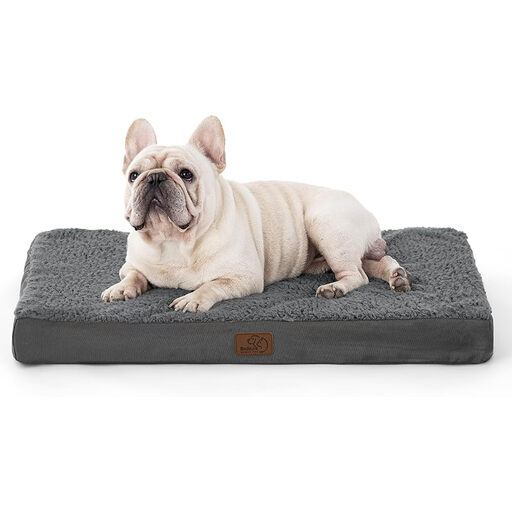
Why This Fits Their Persona: This cushion offers a solid entry into the world of orthopedic surfaces without breaking the bank. It's ideal for owners of younger dogs or as a secondary bed.
It avoids the hygiene trap with a zip-off, machine-washable cover. The egg-crate foam provides demonstrable support, unlike simple fibre fills.
Good value for money; non-slip base for stability; egg-crate structure promotes air circulation.
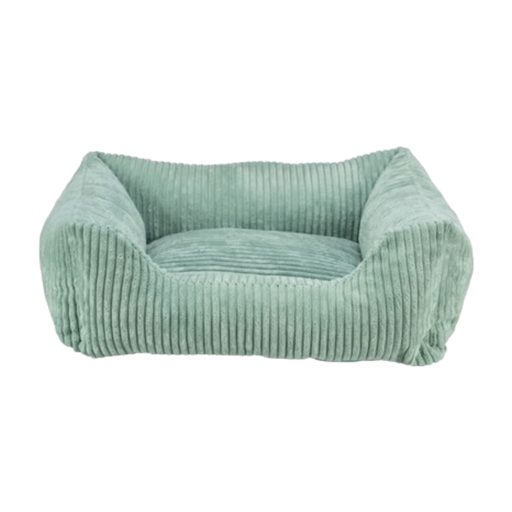
Why This Fits Their Persona: For older dogs or pets with diagnosed joint problems, maximum pressure relief is crucial. This bed is specifically designed for that purpose.
It bypasses the "fake orthopedic" trap by using an explicitly designated sleeping surface made of viscoelastic memory foam. This ensures genuine, adaptive support.
Optimal pressure relief from memory foam; soft corduroy cover for high comfort; non-slip bottom.
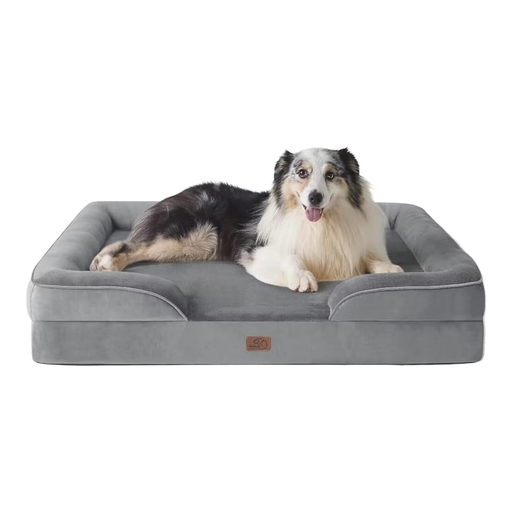
Why This Fits Their Persona: Owners of breeds like Labradors, Golden Retrievers, or German Shepherds need a bed that is both large enough and can withstand their heavy weight over time.
It counteracts the problem of rapid shape loss, as it is designed for dogs up to 45 kg. The generous dimensions and supportive egg-crate foam are tailored to the needs of large dogs.
Generous sleeping surface (106 x 80 cm); high weight capacity; waterproof inner layer and washable cover.
We have compiled a complete, up-to-date list of products that fully meet these strict selection criteria and rigorous safety standards.
How can I identify high-quality foam in a dog bed? Look for the material designation in the product description. Terms like "viscoelastic foam" or "memory foam" indicate higher quality. A simple physical test, if possible: press firmly on the foam. High-quality material will slowly and completely return to its shape, while inferior foam will spring back quickly or retain an indent.
How often should you wash an orthopedic dog bed? The outer cover should ideally be machine-washed every one to two weeks, or whenever it's visibly soiled. This helps to minimise allergens, hair, and odours. Any waterproof inner liner can be wiped down with a damp cloth as needed. The foam core itself should generally not be washed to avoid damaging the material.
How long does an orthopedic dog bed last? The lifespan heavily depends on the quality of the foam, the frequency of use, and the dog's weight. A high-quality model with dense memory foam can last for several years. Cheaper models with basic foam or fibre fill can lose their supportive properties in less than a year, especially with daily use by a heavy dog.