
Lieferung heute & morgen

Qualitätsgarantie

Willkommens-Angebote freischalten: KOSTENLOSE Lieferung | Bis zu 80 % RABATT | Kostenlose 30-Tage-JoyPlus-Testphase
App herunterladen
An orthopedic dog bed is more than just a place to sleep. For dogs with joint problems, seniors, or large breeds prone to musculoskeletal issues, it's a crucial investment in their quality of life. However, the market is flooded with products whose marketing claims often don't hold up to scrutiny. This guide will help you identify the key features and avoid three common purchasing traps, so you can make an informed decision for your dog's well-being.
Many dog owners invest in a supposedly high-quality bed, only to find that it fails to perform after just a few months. Watch out for these typical shortcomings:
washable dog bed can turn out to be impractical. Often, the cover is difficult to remove, loses its shape in the wash, or—even more problematic—the mattress itself is not protected from moisture. This quickly leads to odours and poor hygiene.dog bed for large dogs. Models with low-density foam quickly lose their shape and supportive properties. The bed soon becomes a flat, ineffective surface that no longer offers any joint-friendly benefits.To find a durable and functional solution, you should carefully examine three technical aspects. These determine whether a bed truly serves its purpose as a joint-support dog bed.
The type and quality of the filling is the most important factor. There are significant differences here:
memory foam dog bed is the foundation for optimal pressure relief. The material reacts to body heat and weight, conforming to the dog's contours and then returning to its original shape. Pay attention to the foam density (RG). A higher RG value (e.g., RG 40-50) indicates greater density, durability, and better support properties.A dog bed for senior dogs or pets with health issues must be especially hygienic.
The size of the bed must suit the dog, allowing it to stretch out completely and choose its sleeping position freely. Measure your dog in a stretched-out position from the tip of its nose to the base of its tail and add 20–30 cm to determine the required surface area. Rectangular mattresses are ideal for dogs that like to stretch out, while round beds with a raised edge (donut beds) provide a sense of security for dogs that prefer to curl up.
Instead of making a one-size-fits-all recommendation, we have identified products that meet specific requirements and avoid the pitfalls mentioned earlier.
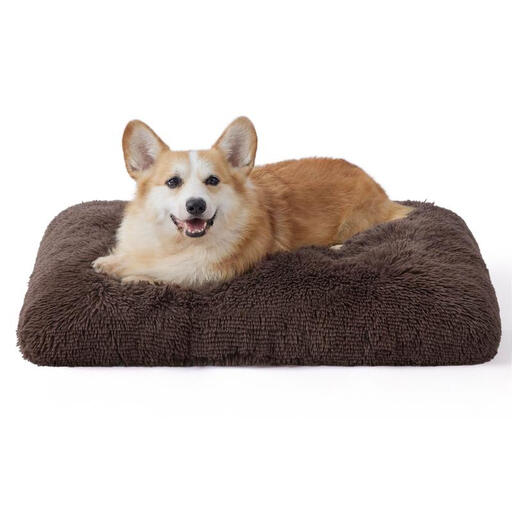
Why This Fits Their Persona: Ideal for dog owners seeking a versatile, low-maintenance, and supportive mat for a crate, car, or as a simple resting spot in the home. It offers comfort without the high price tag of a full-fledged orthopedic bed.
This product avoids the 'fake orthopedic' trap. It's an honest, functional mat with a plush polyester filling, designed as a comfortable base without falsely promising complex orthopedic benefits.
Fully machine washable for easy hygiene. The non-slip bottom ensures stability on smooth floors. Certified according to Oeko-Tex Standard 100.
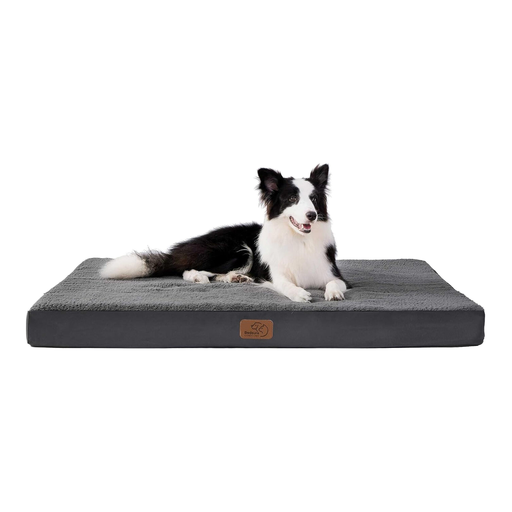
Why This Fits Their Persona: Designed for owners of older dogs or pets with joint problems who need superior pressure relief and spinal support to alleviate pain and improve sleep quality.
This bed sidesteps the pitfall of short-lived foam. It uses a special egg-crate foam that promotes even weight distribution and provides shock absorption—a significant upgrade from simple, flat foam mattresses.
Targeted spinal support via its convoluted surface. The cover is easily removable with an L-shaped zipper and is machine washable.
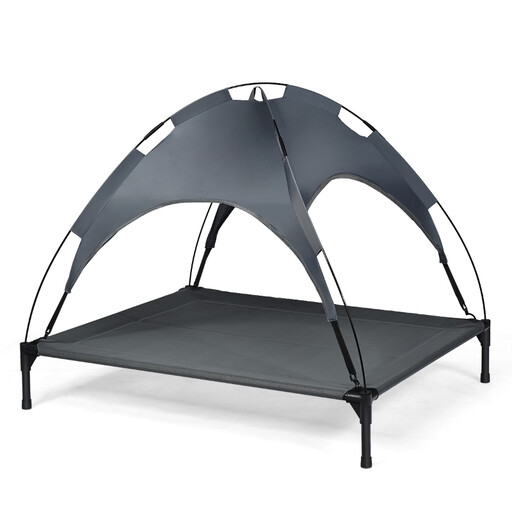
Why This Fits Their Persona: For active dog owners who need a durable and weather-resistant solution for the garden, balcony, or camping trips. It protects the dog from direct sunlight and ground moisture.
This model avoids the trap of using unsuitable materials for outdoor use. The elevated design and breathable mesh fabric prevent heat buildup and moisture from the ground—problems that arise when using indoor beds outdoors.
Elevated sleeping surface for optimal air circulation. The removable sun canopy offers protection from sun and light rain. The sturdy steel frame is durable and easy to transport.
We've compiled a complete, up-to-date list of products that fully meet these strict selection criteria and safety standards.
The washing frequency depends on usage, your dog's shedding, and how dirty it gets. As a general rule, washing it every one to two weeks is recommended to maintain good hygiene. For dogs with allergies, more frequent cleaning may be beneficial.
Press your hand firmly into the center of the mattress. If the foam doesn't return to its original shape within a few seconds, or if you can feel the floor through it, it's time for a replacement. Visible, permanent indentations are also a clear sign of material fatigue.
While it is especially beneficial for senior dogs, large breeds, and pets with joint issues, virtually any dog can benefit from the high level of comfort. However, for very young puppies who are active chewers, a more durable and budget-friendly bed might be a better initial choice until they outgrow their destructive phase.