
Lieferung heute & morgen

Qualitätsgarantie

Willkommens-Angebote freischalten: KOSTENLOSE Lieferung | Bis zu 80 % RABATT | Kostenlose 30-Tage-JoyPlus-Testphase
App herunterladen
The search for a compact and powerful vlogging camera can quickly become overwhelming. Manufacturers advertise high resolutions and intelligent features, but not every product delivers on its promises in practice. Especially with gimbal cameras like the DJI Osmo Pocket 3, there are specific pitfalls that can lead to a poor investment. This guide will help you identify the crucial features and make an informed decision.
Before we dive into the technical details, it's important to understand the most common marketing traps that often lead to post-purchase disappointment.
To avoid these traps, you should focus on three core technical parameters that objectively define a camera's performance.
Image quality depends heavily on the size of the image sensor. A larger sensor can capture more light, leading to better results at dusk or indoors. The DJI Osmo Pocket 3 features a 1-inch CMOS sensor, a size typically found in much larger cameras. This is a crucial advantage over the smaller sensors in many action cameras or smartphones. In addition to resolution, pay attention to the frame rate. The ability to record in 4K at 120 frames per second (fps) allows for high-quality slow-motion shots that are not possible with standard cameras.
This is the biggest difference between a true gimbal camera and other models. A 3-axis stabilized camera like the Osmo Pocket 3 uses a mechanical gimbal that physically moves the camera to compensate for shakes. This is done losslessly and ensures organically smooth movements. In contrast, electronic image stabilisation (EIS) crops into the image and corrects shakes via software, which can reduce image quality and lead to unnatural distortions. For professional-looking, steady shots, a mechanical gimbal is the more reliable technology.
For vloggers and content creators who film themselves, a reliable autofocus system is essential. Nothing is more frustrating than blurry footage because the camera lost focus. Systems like ActiveTrack 6.0 offer advanced subject tracking that keeps people or objects precisely in focus, even when they move quickly. This feature makes the camera a practical vlogging camera for one-person operation and is a clear differentiator from simpler camera systems.
Based on these criteria, we have compiled a selection of cameras for different user groups.
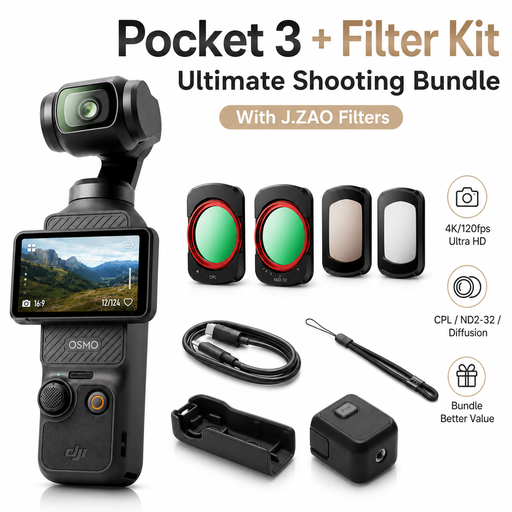
Why It's a Match: This bundle is ideal for content creators seeking a compact solution for high-quality, stabilized video. It combines the core strengths of the Pocket 3 with an essential filter set for various lighting conditions, making it a versatile travel camera and 4K camera for YouTube.
The bundle addresses the hidden cost trap by including essential ND and CPL filters right out of the box. The large 1-inch sensor and mechanical gimbal deliver the promised image quality and stabilisation without compromise.
The combination of a 1-inch CMOS sensor and mechanical 3-axis stabilisation in a pocket-friendly format. The rotatable 2-inch screen makes shooting in both portrait and landscape modes effortless.
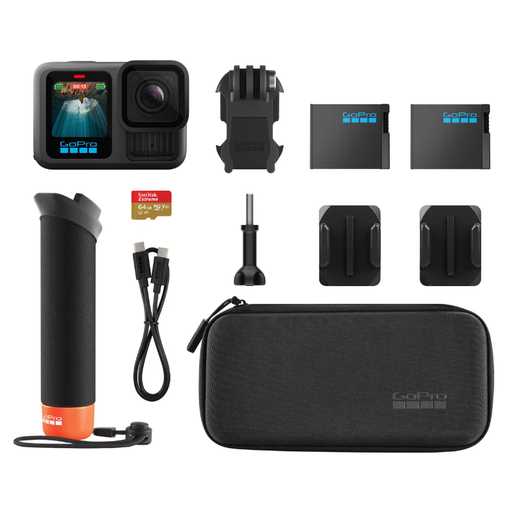
Why It's a Match: For users who need an extremely rugged and waterproof camera for fast action. The GoPro is renowned for its durability, and this bundle includes essential accessories like extra batteries and mounts for immediate use.
The GoPro relies on highly advanced electronic stabilisation (HyperSmooth 6.0) optimized for action scenarios. Its rugged, waterproof body doesn't require sensitive external mechanics like a gimbal.
Waterproof to 10 meters without an additional housing and market-leading electronic stabilisation. The vast accessory ecosystem allows it to be mounted to almost anything.
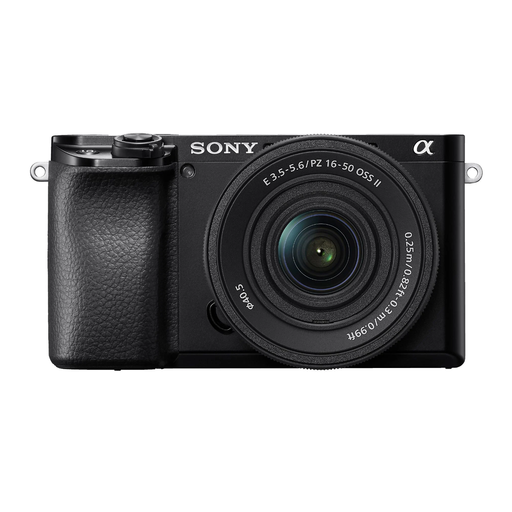
Why It's a Match: For users who prioritize high image quality for photos and videos over maximum portability. The large APS-C sensor delivers excellent performance, and the ability to change lenses provides creative flexibility.
This camera decisively avoids the small-sensor trap with its large APS-C sensor. It offers a professional autofocus system with eye-tracking that far exceeds the capabilities of simple compact cameras.
Outstanding image quality thanks to the 24.2 MP APS-C sensor and the flexibility of an interchangeable lens system. The tilting screen is practical for vlogs and creative angles.
We have compiled a complete, up-to-date list of products that fully meet these strict selection criteria and rigorous safety standards.
1. Is the DJI Osmo Pocket 3 suitable for absolute beginners? Yes, its operation is designed to be very intuitive. The rotatable touchscreen, simple menus, and reliable automatic modes make it easy to get started. Features like ActiveTrack 6.0 handle the complex camera work for the user, allowing them to focus entirely on the content.
2. How does the Pocket 3's mechanical stabilisation differ from that of an action camera? A mechanical gimbal, like the one in the Pocket 3, compensates for movement using physical motors. This happens without any loss in quality and produces very smooth, cinematic footage. Electronic stabilisation (EIS), found in most action cameras, analyzes the image and corrects it via software, which can lead to a slight crop of the image and occasionally unnatural-looking corrections.
3. Do I absolutely need additional accessories for the DJI Osmo Pocket 3? The Standard Combo is already well-equipped for many use cases and ready to use out of the box. However, for specific situations, accessories can be very useful. ND filters are recommended for shooting in very bright environments (e.g., at the beach or in the snow) to achieve a natural motion blur. For improved audio quality in interviews or vlogs, an external microphone is a worthwhile addition. Bundles that already include filters or other accessories can offer great value.