
Lieferung heute & morgen

Qualitätsgarantie

Willkommens-Angebote freischalten: KOSTENLOSE Lieferung | Bis zu 80 % RABATT | Kostenlose 30-Tage-JoyPlus-Testphase
App herunterladen
By a Joybuy Product Recommendation Officer, July 18, 2026
Finding furniture that is both stylish and functional can be a challenge, especially when space is limited. An ottoman is often the ideal solution: it provides extra seating, serves as a surface or footstool, and can even offer hidden storage. However, the selection is vast, and the differences are in the details.
As your Joybuy Product Recommendation Officer, my mission is to sift through market information and provide you with practical, objective guidance. This guide will help you understand the different types of ottomans and find a model that perfectly matches your needs and interior design style.
To make the right choice, it helps to consider a few basic criteria. These three points will help you narrow down your options.
First, consider the main purpose the piece will serve. Are you looking for flexible seating for guests? Do you need a comfortable footstool for relaxing in front of the sofa? Or is additional storage your top priority?
A storage ottoman is ideal for organising blankets, magazines, or toys, helping to keep living rooms or bedrooms tidy. Models without storage are often lighter and more compact, making them versatile decorative elements. For hallways or the foot of a bed, a wider bench can be a suitable alternative.
The upholstery material determines not only the look but also the feel and maintenance requirements.
An upholstered ottoman generally offers superior comfort compared to models made of wood or metal. Ensure the style of the ottoman complements your existing furniture.
Measure the intended space carefully before making a decision. An ottoman that is too large can overwhelm a room, while one that is too small can look lost. In addition to width and depth, pay attention to the seat height. If the ottoman is meant to complement a sofa or armchair, the height should be compatible.
An often-overlooked but crucial aspect is the maximum static load capacity. This manufacturer specification indicates how much weight the furniture can safely support. The values can range from approx. 100 kg for a small pouf to 300 kg for a sturdy bench.
Based on the criteria above, we have curated a selection of models that stand out for their specific features and functions.
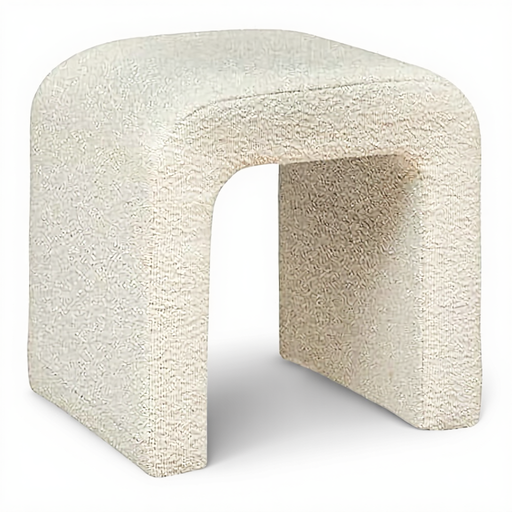
Why It Stands Out: The most striking feature of the Sevi stool is its arched silhouette. This design sets it apart from classic round or square stools, making it a modern, eye-catching piece. The bouclé fabric upholstery enhances its contemporary character.
Advantages:
Who It's For: For design-conscious individuals looking for a decorative statement piece who do not need additional storage. It fits perfectly in modern living rooms or bedrooms.
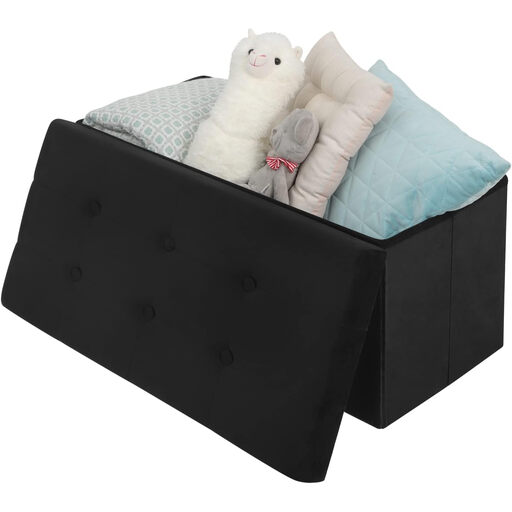
Why It Stands Out: This bench combines high functionality with impressive capacity. With 80 litres of storage space and a manufacturer-stated static load capacity of up to 300 kg, it is an exceptionally practical piece of furniture.
Advantages:
Who It's For: For families and anyone looking for a robust, multifunctional solution for the hallway, living room, or bedroom. Ideal for quickly creating order.

Why It Stands Out: This pouf is a prime example of compact, smart design. It combines the classic round shape of a stool with an inconspicuous hidden storage compartment and sturdy wooden legs.
Advantages:
Who It's For: For users seeking a flexible footstool or an extra seat with a small but practical storage space for the living room or home office.
The models presented here cover a range of different needs. However, if you haven't found the right piece of furniture yet, you may find the perfect solution in our broader collection.
Explore Our Full Collection of Benches & Ottomans
The cleaning method depends on the upholstery material. For most fabrics like linen, velvet, or bouclé, surface cleaning with a soft brush or a vacuum cleaner with an upholstery attachment is recommended. For stains, manufacturers often advise using a slightly damp cloth and mild soapy water. Always check the manufacturer's care instructions before using any cleaning agents.
The terms are often used interchangeably, but there are subtle differences. An ottoman or stool typically has a rigid structure and often has visible legs. A pouf is traditionally a large, firm cushion that sits directly on the floor and is usually fully upholstered with no visible legs. Today, the lines are blurring, and many models combine features of both types.