
Lieferung heute & morgen

Qualitätsgarantie

Willkommens-Angebote freischalten: KOSTENLOSE Lieferung | Bis zu 80 % RABATT | Kostenlose 30-Tage-JoyPlus-Testphase
App herunterladen
Choosing the right outdoor backpack can be a challenge. A model that's perfect for a short run is rarely suitable for an all-day hike, and a cycling backpack has different requirements for fit and compartment layout than a lightweight daypack for the commute to work. The goal of this article is to provide you with clear guidance. We'll highlight the key features of different backpack types and present a selection of functional models to make your buying decision easier.
To find the right backpack for your activities, three criteria are particularly important: volume, material, and the carrying system. A well-thought-out choice ensures your gear is stored securely and remains comfortable to carry, even over long periods.
A backpack's volume, measured in litres, determines how much gear you can carry. The right choice depends directly on your planned activity:
The material affects the durability and protection of your gear. Look for abrasion-resistant fabrics like ripstop polyester or reinforced nylon that can withstand contact with branches or rocks.
Weather protection is a crucial factor. Many models feature a water-repellent coating that protects the contents from light rain. For reliable protection of electronics or for activities near water, a fully waterproof backpack, often called a Dry Bag, is the right choice. These models have sealed seams and a roll-top closure to prevent water from getting in.
A good carrying system is crucial for comfort, especially during movement. A sports backpack should fit snugly against the body to minimise bouncing. Key features include:
Based on the criteria above, we have curated a selection of products from the PELLIOT brand that stand out for their specific functions in various outdoor scenarios.
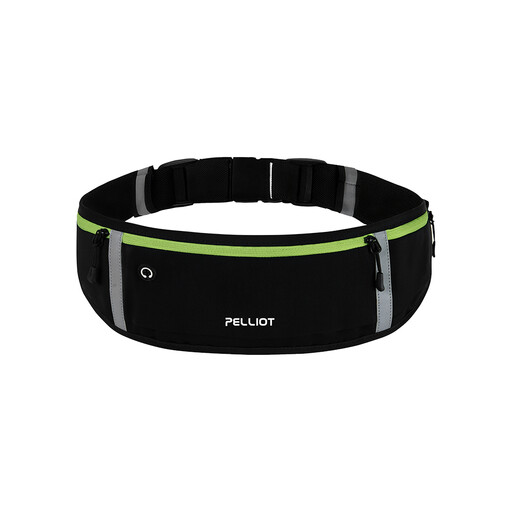
Why It Stands Out This running belt is a minimalist solution for athletes who need freedom of movement. Its design focuses on a stable, bounce-free fit and the secure storage of small essentials.
Advantages
Who It's For Ideal for runners, cyclists, and gym-goers looking for a lightweight, discreet way to carry their essentials without needing a backpack.
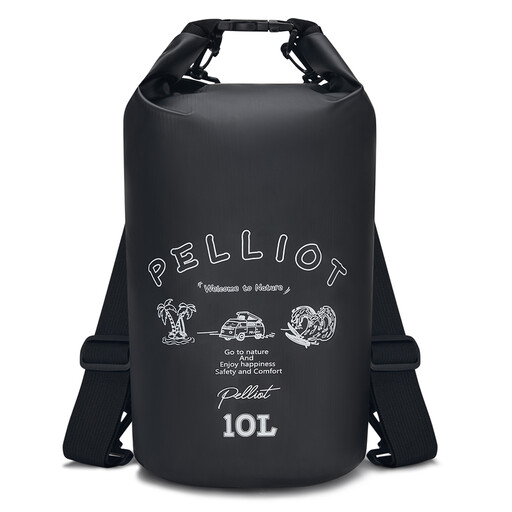
Why It Stands Out This 10-litre backpack combines the functionality of a lightweight daypack with the protection of a dry bag. Its packable design and high water resistance make it a flexible companion.
Advantages
Who It's For Perfect for commuters, hikers, and water sports enthusiasts who need reliable protection from moisture without sacrificing the organisation of a backpack.
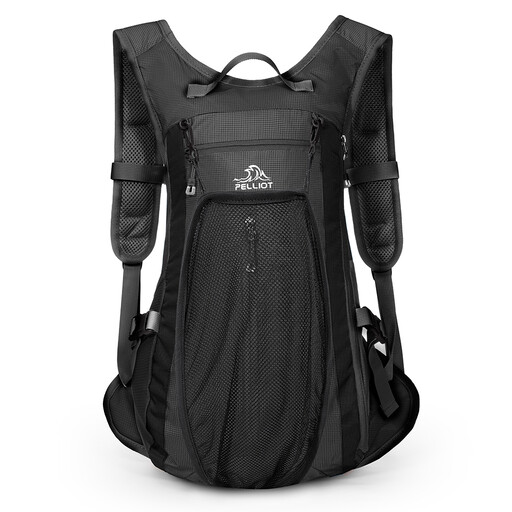
Why It Stands Out This PELLIOT backpack was specifically developed for demanding cycling and running tours. Its scientifically designed pressure-reduction carrying system and abrasion-resistant material are engineered for durability and performance.
Advantages
Who It's For This backpack is aimed at ambitious cyclists and trail runners who are looking for a stable, well-organised, and lightweight cycling backpack or trail running backpack for long and intense training sessions.
This selection covers specific use cases. If you are looking for other designs or features, there is a wide variety of other models available to meet different needs.
For a broader selection of functional and discreet designs, check out our collection of Black Sports Bags.
A classic hiking backpack is designed for volume and comfort when carrying heavy loads over long periods. It often has a more rigid frame and a more heavily padded carrying system. A trail running backpack, on the other hand, is extremely lightweight, fits snugly against the body like a vest to minimise movement, and offers quick access to water bottles and gels on the front.
The necessity depends on your activity and the weather conditions. For a daily commute with a laptop or for water sports, a fully waterproof backpack (Dry Bag) is highly recommended. For most hikes in unpredictable weather, a model with a good water-repellent coating and an additional rain cover is often sufficient.
To extend the life of your backpack, you should care for it regularly. Empty it completely after each trip. You can brush off coarse dirt. Stains can usually be removed with a damp cloth and mild soap. Let the backpack air dry and avoid machine washing or using a tumble dryer, as heat and harsh detergents can damage the coatings and materials.