
Lieferung heute & morgen

Qualitätsgarantie

Willkommens-Angebote freischalten: KOSTENLOSE Lieferung | Bis zu 80 % RABATT | Kostenlose 30-Tage-JoyPlus-Testphase
App herunterladen
Securing your home should be simple and reliable. A battery-powered outdoor security camera kit offers a flexible solution, as it can be installed without complex wiring. However, the market is flooded with options whose promises don't always hold up in practice. Many users invest in systems that quickly become a disappointment due to hidden costs, poor weather resistance, or unreliable features. This guide will show you which critical features to look for to make an informed decision.
Before making a purchase, it's crucial to recognise common marketing traps that can lead to unexpected costs and frustration.
To avoid a bad buy, you should carefully examine three core technical parameters. These determine the reliability and practical usability of your security system.
A battery-powered security camera kit offers maximum placement flexibility, as no power cables need to be run. Installation is as simple as mounting the bracket. Pay attention to the manufacturer's stated battery life, which is often measured under ideal conditions. Factors like motion frequency, live-view usage, and ambient temperature significantly affect the actual duration. Models with a battery life of several months reduce maintenance effort. Wired cameras, on the other hand, provide an uninterrupted power supply but require a more complex installation near a power outlet.
High resolution is crucial for clearly identifying people or license plates. While 1080p (Full HD) is a common standard, a resolution of 2K QHD (2560 x 1440 pixels) offers noticeably greater detail. Combined with a security camera with colour night vision, security in the dark is significantly enhanced. Systems with Starlight sensors can produce colour images even in very low ambient light, without relying on harsh spotlights.
An outdoor Wi-Fi camera kit that uses a central base station (hub) often provides a more stable and longer-range connection than cameras that connect directly to your Wi-Fi router. The hub creates a dedicated network for the cameras, reducing the load on your home Wi-Fi. A key advantage is the option for local storage: the hub usually has a microSD card slot. This enables a subscription-free security camera experience, as all recordings are stored securely at your home, and there are no monthly fees to access your videos.
Based on the criteria mentioned, we have identified models that represent a suitable solution for different user profiles and requirements.
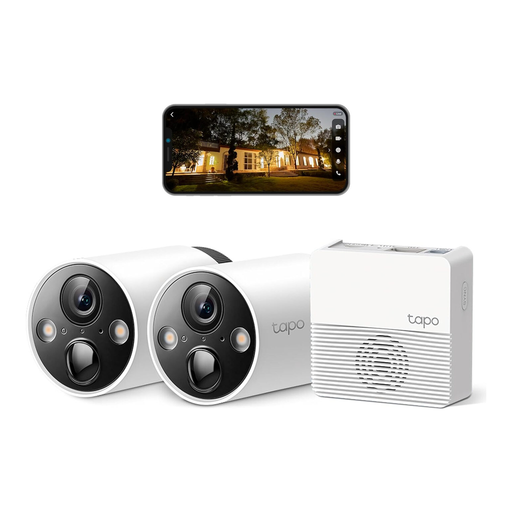
Why This Fits Their Persona: This complete kit is ideal for homeowners and apartment dwellers looking for a straightforward and expandable solution. With two cameras, the entrance and garden can be covered simultaneously without needing to run any cables. The long battery life minimises maintenance.
The included hub enables local storage on a microSD card (up to 256 GB), eliminating subscription fees. The IP65 certification ensures weather resistance, and AI detection distinguishes between people, animals, and vehicles to reduce false alarms.
The 2K QHD resolution and colour night vision with a Starlight sensor ensure clear, detailed recordings day and night. The system is designed as a kit and is easily expandable.
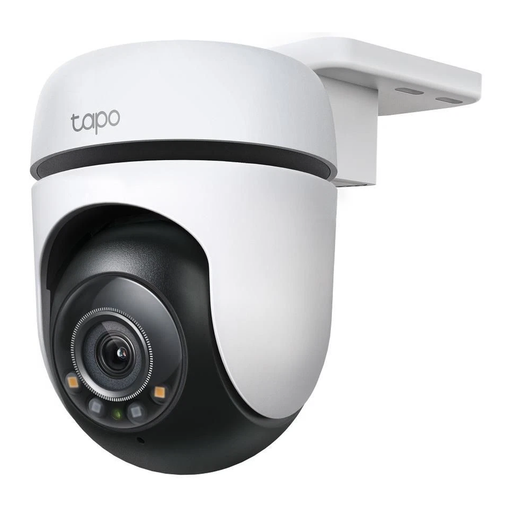
Why This Fits Their Persona: Ideal for users who want to keep a complete eye on a large, single area like a wide driveway or a garden. The wired power supply ensures uninterrupted operation without battery changes.
Although this model is wired, it also bypasses the subscription trap with a microSD card slot (up to 512 GB) for local recordings. The IP65 certification ensures operation in all weather conditions.
The pan-and-tilt function allows for flexible coverage of large areas that would be impossible with a fixed camera. The 2K resolution delivers sharp images.
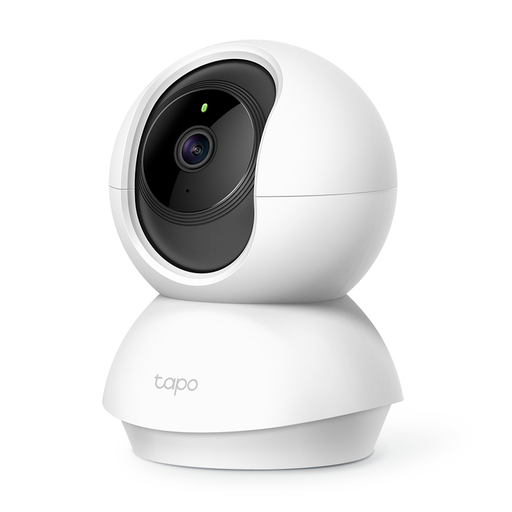
Why This Fits Their Persona: For users who want to specifically monitor indoor spaces like the living room, hallway, or a child's room. The camera is a cost-effective and easy-to-install solution for watching pets or for general security when you're away.
This indoor-only model also relies on a microSD card slot to store recordings locally without monthly fees. It's a transparent solution with no hidden recurring costs.
The 360° pan-and-tilt function allows for complete coverage of a room with just one camera, eliminating blind spots. The two-way audio feature also enables direct communication.
We have compiled a complete, up-to-date list of products that fully meet these strict selection criteria and fully comply with local security regulations.
Battery life is influenced by several factors. Manufacturer claims like "up to 180 days" are based on optimised scenarios with few motion events per day. In practice, the runtime is shortened by frequent activations, live video streaming, low winter temperatures, and a weak Wi-Fi connection. Realistically, you should plan for charging intervals that can range from a few weeks to several months, depending on usage.
No. A key advantage of systems with local storage is their independence from subscriptions. Models that save recordings to a microSD card in the camera or a base station (hub) offer full functionality without recurring costs. With these systems, a cloud subscription is an optional add-on, for instance, for an off-site backup of your recordings.
The installation is intentionally designed to be simple and DIY-friendly. The typical steps are: