
Lieferung heute & morgen

Qualitätsgarantie

Willkommens-Angebote freischalten: KOSTENLOSE Lieferung | Bis zu 80 % RABATT | Kostenlose 30-Tage-JoyPlus-Testphase
App herunterladen
Choosing the right outdoor gear can be the difference between a successful adventure and a frustrating experience. However, the market is flooded with products making grandiose promises. Many buyers invest in equipment that quickly proves to be impractical or inadequate. This guide will help you identify the common pitfalls and make informed decisions.
Before you invest, you should be aware of three widespread issues that often lead to disappointment:
To avoid bad buys, focus on verifiable, objective criteria. For headwear and glasses, these are primarily protection, material, and weight.
Protecting your eyes and skin is non-negotiable. Look for two key standards:
The materials used determine durability, comfort, and functionality.
Modern technology is increasingly finding its way into outdoor equipment. For smart glasses with audio or AI glasses with a translator, the following points are relevant:
Here are some product recommendations tailored to specific user profiles and the criteria mentioned above.

Why it's a match: Ideal for versatile activities like gardening, fishing, or light hikes. The combination of a wide brim and a detachable neck flap offers flexible protection as needed.
Instead of vague promises, this hat relies on verifiable UPF 50+ protection and functional nylon material that is lightweight and breathable, thus avoiding the trap of inadequate material choice.
The 2-in-1 design of the neck flap, which can be folded into the cap when not in use, offers high flexibility for changing conditions.
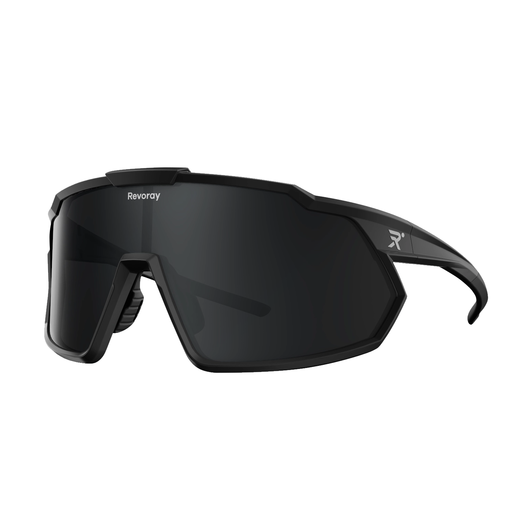
Why it's a match: Designed for cyclists who value low weight, clear vision, and reliable protection. The polarised lenses significantly reduce glare from the road.
This model bypasses the trap of superfluous features by focusing on certified performance: 100% UV400 protection and impact resistance compliant with ANSI Z87.1. The lightweight TR90 frame solves the comfort issue.
The combination of polarised TAC lenses for glare reduction and an ultra-lightweight design (approx. 33g) ensures superior visual and wearing comfort on long rides.
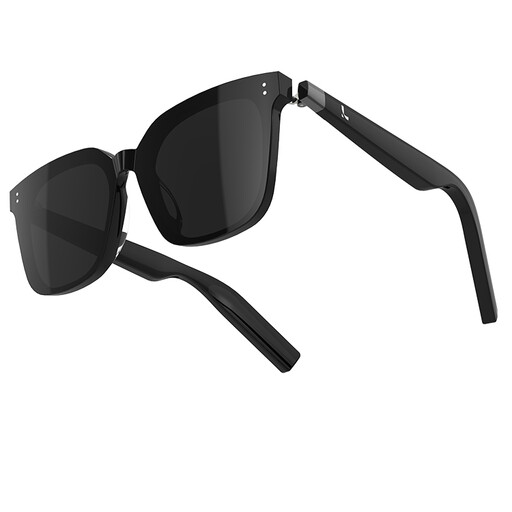
Why it's a match: For users who want to seamlessly integrate technology into their daily lives—whether traveling, working, or during leisure time. These glasses combine sun protection with smart features.
This model is more than just a gimmick. It offers practical, everyday specifications like a long battery life (up to 12 hours), IPX4 splash resistance, and UV protection, thereby avoiding the trap of an impractical tech gadget.
The integration of an AI agent and a real-time translation function for 128 languages makes these glasses a powerful tool for international communication and productivity.
We have compiled a complete, up-to-date list of products that meet these strict selection criteria and comply with current safety regulations.
1. What exactly does UV400 mean for sports sunglasses? The term UV400 means that the lenses are designed to block ultraviolet rays up to a wavelength of 400 nanometres. This includes both UVA and UVB rays, thus providing complete protection for the eyes from the sun's harmful effects.
2. Is a nylon hiking hat truly waterproof? A hat's water resistance depends on the specific treatment of the material. Pure nylon is typically water-repellent and dries very quickly, which is sufficient for most outdoor activities. For complete waterproofness that protects even in continuous rain, the product should be explicitly advertised with a waterproof membrane or sealed seams.
3. How long does the battery of smart glasses with an audio function last? The battery life varies depending on the model and intensity of use. Models like the LAWAKEN AI Chat City offer a usage time of up to 12 hours with continuous use or a standby time of up to 5 days, according to the manufacturer. Features like music streaming or continuous use of the AI assistant consume more power than occasional calls.