
Lieferung heute & morgen

Qualitätsgarantie

Willkommens-Angebote freischalten: KOSTENLOSE Lieferung | Bis zu 80 % RABATT | Kostenlose 30-Tage-JoyPlus-Testphase
App herunterladen
The selection of outdoor chairs is vast, but not every model delivers on its promise. Whether for the garden, a camping trip, or the balcony, the right chair combines comfort with durability. Many buyers are swayed by appealing pictures or supposed special offers, only to discover after a short time that their new chair can't withstand the elements. This guide highlights the most common defects and explains which technical features you should look for to make an informed decision.
Some weaknesses in budget-friendly outdoor chairs only become apparent with use. By knowing what to look for, you can specifically seek out more durable alternatives.
To avoid these problems, a close look at the product specifications is essential. The following three parameters are crucial for the quality and longevity of your outdoor chair.
The frame is the foundation of the chair. The choice of material affects its weight, stability, and weather resistance.
The cover fabric determines seating comfort and its resilience to weather and use.
These two values are of central importance for practical usability and safety.
Based on the criteria mentioned, we have identified various models for specific use-case scenarios.
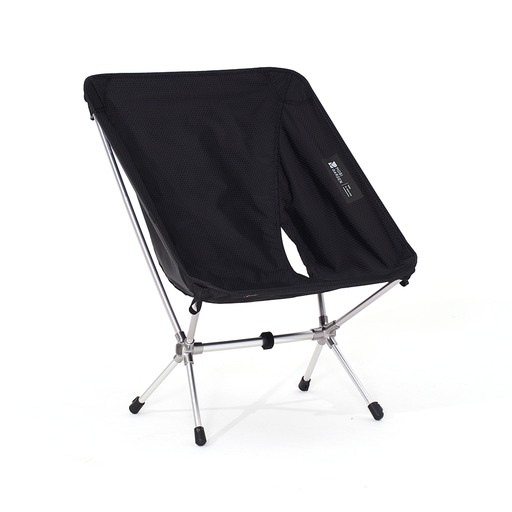
Why This Fits Their Persona: Weighing only approx. 765 g and boasting a very small pack size, this chair is designed for users where every gram in the backpack counts. Ideal for trekking, backpacking, or the walk to the festival grounds.
The aluminum alloy frame is naturally rustproof, bypassing the corrosion issue. The high-strength Oxford fabric is designed for tear resistance and withstands material fatigue better than simpler textiles.
Extremely low weight (approx. 765 g) and compact pack size. Despite its lightweight construction, it offers a static load capacity of approx. 140 kg.
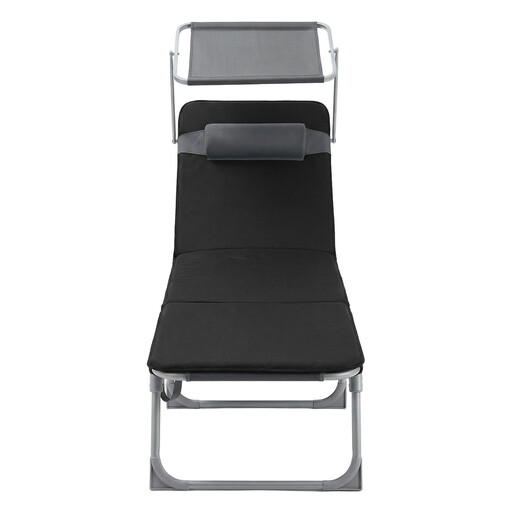
Why This Fits Their Persona: For users seeking maximum relaxation in their own garden or by the pool. This sun lounger offers features that go beyond a simple seat, such as an adjustable backrest and a sun canopy.
The reinforced frame and non-slip feet address the problem of instability. The integrated, adjustable sun canopy not only protects the user but also shields the cover fabric from direct sunlight, thus preventing fading.
Adjustable backrest for customized comfort. Includes a pillow and an adjustable sun canopy. Despite its many features, the lounger is foldable and portable.
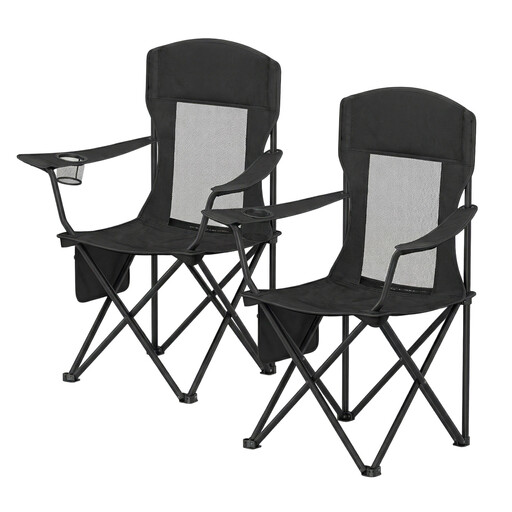
Why This Fits Their Persona: This set of two chairs offers an economical solution for couples or families who need flexible seating for various occasions like camping, picnics, or use in their home garden.
The reinforced joints and steel frame are engineered for greater stability. The breathable mesh fabric dries quickly, preventing mildew and material fatigue from prolonged moisture.
Delivered as a set of 2. Practical features include a cup holder and an organizer pocket. High static load capacity of approx. 150 kg per chair.
We have compiled a complete, up-to-date list of products that fully meet these strict selection criteria and German safety regulations.
1. What does "600D Oxford fabric" mean for a camping chair? The "600D" specification refers to the thickness of the fabric's thread, measured in the unit Denier. A higher value generally means a thicker, more robust, and more tear-resistant thread. 600D Oxford fabric is a common standard for outdoor gear as it offers a good balance between durability and weight.
2. Can I leave a folding camping chair permanently on my balcony? Although many outdoor chairs are described as weather-resistant, it is not advisable to leave them permanently exposed to the elements. Continuous UV radiation can fade colors and make the material brittle. Persistent moisture can lead to corrosion on steel frames, even with a coating. To maximize the lifespan, it is recommended to store the chair in a dry, protected place when not in use or to use a protective cover.
3. How do I properly care for wooden outdoor chairs? Wooden chairs, such as those made from acacia, require specific care. Clean the surface with a mild soap solution and a soft cloth. To protect the wood from the elements and preserve its color, it should be treated at least once a year, preferably before the winter season, with a suitable hardwood or maintenance oil. Store the furniture in a cool, dry place over the winter.