
Lieferung heute & morgen

Qualitätsgarantie

Willkommens-Angebote freischalten: KOSTENLOSE Lieferung | Bis zu 80 % RABATT | Kostenlose 30-Tage-JoyPlus-Testphase
App herunterladen
As the days grow shorter, the time begins when gardens, balconies, and facades shine with festive splendour. However, choosing the right outdoor Christmas lights can quickly become overwhelming. Not every product lives up to its promise, and often small but crucial flaws lead to disappointment and unnecessary expense. Before you invest, you should be aware of the three most common pitfalls that can compromise the longevity and safety of your decorations.
To avoid these problems, it's crucial to focus on the core technical features that define high-quality, durable outdoor Christmas decorations.
An informed purchasing decision is not based on marketing promises, but on objective, verifiable criteria. Pay attention to the following three points for your next outdoor Christmas lights.
The IP (Ingress Protection) rating indicates how well an electrical device is protected against the entry of foreign objects and water. For any outdoor Christmas lights, an IP44 rating is the absolute minimum standard.
The choice of lighting technology and colour determines not only the atmosphere but also the operating costs.
The type of power supply determines where and how you can use your decorations.
Based on these objective criteria, we have identified some products that are well-suited for specific decorating projects.
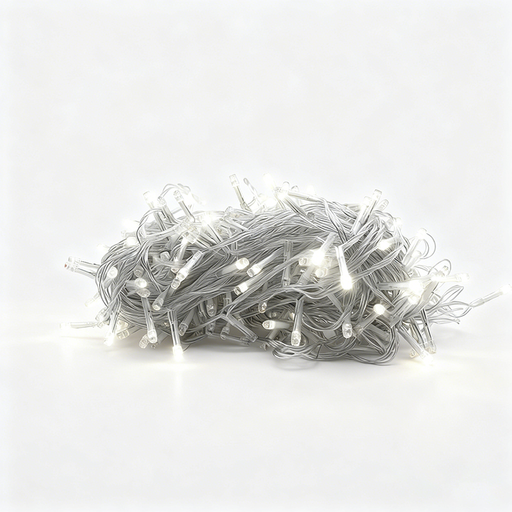
Why it's a good match: Ideal for users who want to decorate balconies, small shrubs, or entrance areas without a nearby power socket. The battery operation allows for unrestricted placement.
The IP44 certification ensures that the string lights are suitable for outdoor use and won't fail at the first sign of rain. The battery operation with a timer function solves the problem of missing sockets and manual switching.
Features 8 lighting modes with a memory function for custom effects. The cool white light colour (6500K) provides a bright, modern look.
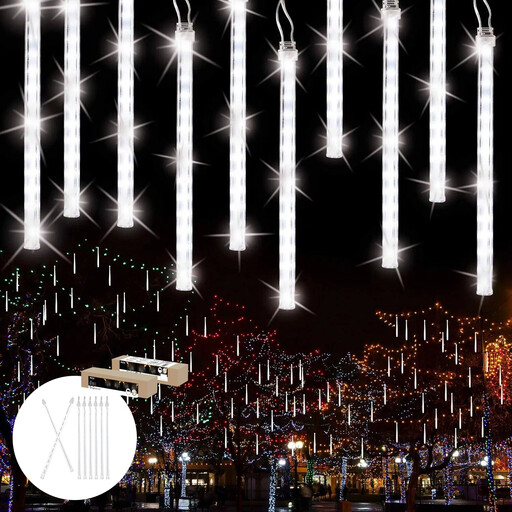
Why it's a good match: Perfect for anyone looking to create a dynamic and eye-catching effect on trees, gutters, or facades. The falling lights simulate a snowfall or meteor shower.
This specialty product delivers a targeted visual effect that goes beyond a simple string of lights. The IP44 certification and mains power ensure reliable operation for large-scale outdoor installations.
192 LEDs distributed across 8 tubes create an intense lighting effect. The 5-metre-long lead cable provides ample room for placement and connection to a power socket.
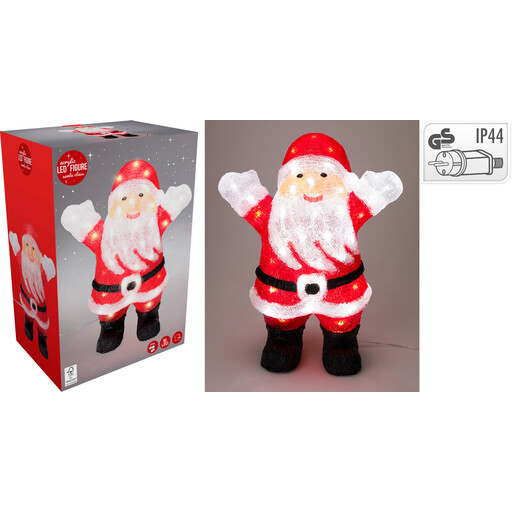
Why it's a good match: For lovers of traditional Christmas decorations, this light-up figure is a timeless classic. Ideal as a welcoming eye-catcher in the entrance area, on the patio, or in the garden.
The figure is made of weather-resistant acrylic and is IP44 certified, which explicitly qualifies it for outdoor use. The GS-certified adapter guarantees tested electrical safety.
50 integrated LEDs ensure bright and even illumination. The 3-metre-long, transparent cable allows for flexible positioning of the figure.
We have compiled a complete, up-to-date list of products that fully meet these strict selection criteria and UK safety regulations.
IP44 is a protection rating that is essential for the safe operation of electrical devices outdoors. It guarantees that the product is protected against solid foreign objects larger than 1 millimetre and against splashing water from all directions. Christmas lights with this rating can therefore be used safely in rain and snow.
The power consumption of LED string lights is very low. A typical string with 100 LEDs has a power consumption of about 3 to 7 watts. With a daily illumination time of 6 hours over a month (30 days), this results in electricity costs of often just a few pounds, depending on your electricity tariff. The savings are significant compared to old incandescent light strings.
While the string light itself is usually splash-proof to IP44, the battery compartment is often the weak point. It should be protected from pooling water and heavy, direct rain, for example, with a small cover or by placing it in a sheltered position. It is also advisable to remove the batteries during long periods of non-use to prevent them from leaking.