
Lieferung heute & morgen

Qualitätsgarantie

Willkommens-Angebote freischalten: KOSTENLOSE Lieferung | Bis zu 80 % RABATT | Kostenlose 30-Tage-JoyPlus-Testphase
App herunterladen
Rain, wind, cold and intense sunshine are all part of many outdoor days in the UK and beyond. However, when buying outdoor equipment for camping and hiking, shoppers do not always focus on the details that matter most. Broad claims such as “suitable for all weather” or “waterproof” reveal little on their own about comfort, durability and practical limitations.
A waterproof outdoor jacket can keep rain out, but it may not be designed for strong gusts, long walks or highly abrasive trails. Important factors include the hydrostatic head, seam sealing, material construction and hood adjustment. For a camping tent, the bathtub floor, guying points and ventilation also play an important role.
A sun hat with a UPF or UV protection rating can cover your face and neck. However, the actual level of protection depends on the fit, the condition of the material and how the hat is worn. A hat is no substitute for sun cream, suitable clothing or breaks in the shade. Models with an adjustable cord and neck flap are particularly practical, as they are less likely to slip in windy conditions.
A 3-in-1 hiking jacket typically consists of an outer layer and a removable inner jacket. This gives you more combinations to choose from, but it does not automatically make every version suitable for every weather condition. Check whether the individual components can be worn separately, how much room there is for additional layers and which temperature ranges the manufacturer specifies.
For jackets and waterproof clothing, the hydrostatic head is a technical comparison value indicating the water pressure a material can withstand. A high figure is only one part of the assessment: fastenings, seams and zips can also be potential weak points. Breathability is also important for activities involving a lot of movement. It is often given as MVTR in g/m²/24 h and describes how much water vapour the material allows to pass through under defined conditions.
According to the product description, the PELLIOT Fleece-Lined Jacket for Men has a hydrostatic head of 35.900 mm H₂O, breathability of 16.000 g/m²/24 h and more than 40.000 abrasion cycles. These figures come from the manufacturer’s specifications and should not be interpreted as a blanket guarantee for every weather situation.
A camping tent for two to four people should not be chosen solely according to its stated capacity. Sleeping bags, rucksacks and clothing require additional storage space. Check the following:
According to the product specifications, the VXOYO Pop-up Tent features an automatic hydraulic pitching system, two doors and two windows. The flysheet is stated to have a hydrostatic head of up to 3.000 mm. The stated packed size is approximately 76,2 × 17,3 × 14,5 cm. Before using it on your first longer trip, it is advisable to pitch the tent at home.
With hiking clothing, the fit determines whether you have enough freedom of movement while still being able to wear warm layers underneath. Use size charts and compare your chest, shoulder and sleeve measurements with a well-fitting garment. Care instructions are also important for fleece jackets and winter jackets: some technical materials must not be tumble-dried at high temperatures or treated with fabric softener.
A waterproof umbrella is a useful everyday addition to your camping clothing, but it has clear limitations. According to the product specifications, the Pioneer umbrella, with a 104 cm diameter, should not be used in strong winds or thunderstorms. After use, it should be left fully open to dry before being put away.
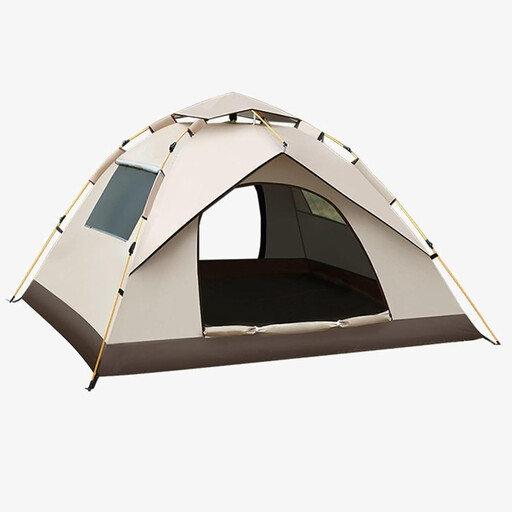
Why this product suits this profile: This pop-up tent is designed for people looking for an uncomplicated introduction to camping and who want to keep pitching time as short as possible before setting off. It offers two doors and two windows for easy access and airflow.
The stated inner and outer dimensions, together with the packed size, make it easier to check whether the tent, luggage and transport arrangements are compatible.
Hydraulic auto-pitching system according to the product description; two-layer construction and a stated hydrostatic head of up to 3.000 mm.
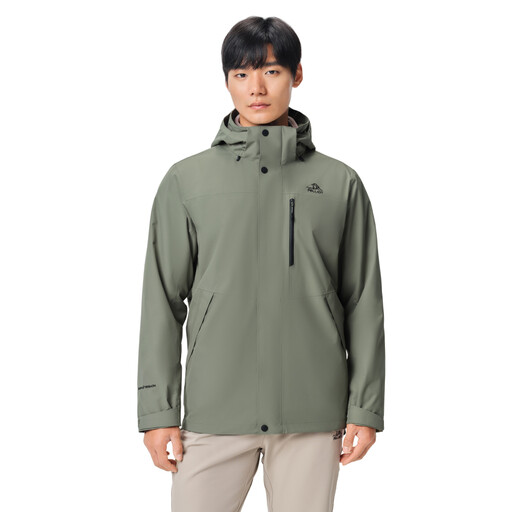
Why this product suits this profile: This 3-in-1 hiking jacket is suitable for trekking, camping and the daily commute when you want separate outer and insulating layers.
The manufacturer’s specifications provide precise figures for hydrostatic head, breathability and abrasion resistance, as well as a size chart with separate measurements for the outer and inner jackets.
3-in-1 layering system; according to the product description, a hydrostatic head of 35.900 mm H₂O and more than 40.000 abrasion cycles.

Why this product suits this profile: This foldable UV protection hat is designed for fishing, gardening, hiking and travelling when neck coverage and low weight are important.
The size range from S to XL, together with the cord and removable chin strap, allows a more precise fit than a one-size design.
100% nylon according to the product specifications; wide brim, ventilation mesh and stated UPF-50 protection.
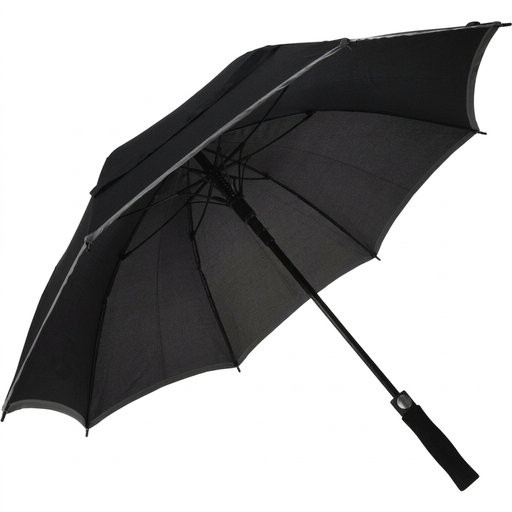
Why this product suits this profile: This automatic umbrella is a practical choice for commuters, travellers and campers who need quick protection from the rain over short distances.
The product description specifies a coverage diameter of 104 cm and clearly highlights its limitations in strong winds and thunderstorms.
Automatic opening; classic design and a diameter of 104 cm according to the product specifications.
We have put together a complete, regularly updated list of products that fully meet these strict selection criteria and the safety regulations applicable in the EU.
Look for the stated hydrostatic head of the flysheet and groundsheet, welded or covered seams, and sufficient ventilation. Pitching the tent correctly and keeping it taut also helps prevent water from collecting on the roof. Before your first trip, check the zips, guy lines and groundsheet for signs of damage.
Its lifespan depends on use, exposure to UV rays, friction and care. Wash the jacket according to the label, close all zips and avoid fabric softener if the manufacturer advises against it. After intensive use, check whether the coating, seam sealing and water-repellent finish are still intact.
A layering system is generally more versatile than a single heavy winter jacket. A breathable base layer, a fleece jacket or insulating mid-layer, and a waterproof jacket can be adapted to the temperature and your level of activity. On longer trips, a sun hat, spare socks and waterproof storage for important items are useful additions to your trekking equipment.