
Lieferung heute & morgen

Qualitätsgarantie

Willkommens-Angebote freischalten: KOSTENLOSE Lieferung | Bis zu 80 % RABATT | Kostenlose 30-Tage-JoyPlus-Testphase
App herunterladen
Outdoor toys for children should encourage movement, offer different ways to play and make everyday life in the garden, courtyard or indoors more enjoyable. In practice, it’s often missing information about age suitability, space requirements and weight limits—not flashy extras—that leads to the wrong purchase. That’s why it’s worth comparing options carefully before you buy, especially if you have children aged between 3 and 8.
A playset with a slide, swing, basketball hoop and climbing elements may seem versatile. What matters, though, is whether each feature is suitable for your child’s age and height. For play equipment designed for younger children, low entry points, wide steps and easy-to-reach handholds are more important than having as many features as possible.
Weather-resistant toys for children aren’t automatically designed to withstand constant rain, frost or strong sunlight. Plastic can fade, metal fittings can corrode and textiles need to be stored somewhere dry. Check whether the manufacturer provides specific advice on cleaning, covering and storage.
For trampolines, bouncy castles and ride-on toys, it’s important to distinguish between maximum weight, number of children and type of use. A trampoline with a stated static load capacity of 250 kg isn’t automatically approved for several children to jump on at the same time. Always follow the specific safety instructions for the product.
The recommended age is a safety guideline, not just a marketing claim. Toys containing small parts must not be used by children under 36 months. The bowling and ring toss game, as well as garden tic-tac-toe, come with an explicit warning about the risk of swallowing small parts.
For toys for children aged 3 and over, parents should also check:
Measure the available space before buying. As well as its own dimensions, a children’s slide, trampoline or bouncy castle needs a safety clearance from walls, trees and furniture. The ground should be level and stable, with no sharp objects.
For a children’s go-kart, for example, the dimensions of 84 × 57 × 55 cm, the seat height of 28.5 cm and the stated weight limit of 30 kg are all relevant. For ride-on toys, you should also consider the turning circle, braking options and suitability of the ground surface.
For plastic products, rounded edges, a stable base and clear information about the materials are useful things to look for. According to the product description, the children’s basketball set has a base that can be filled with water or sand. Make sure it is weighted sufficiently before use.
For larger structures, look out for:
The EN 71 standard relates to European toy safety requirements. However, it does not replace the instructions for use or the need for adult supervision.
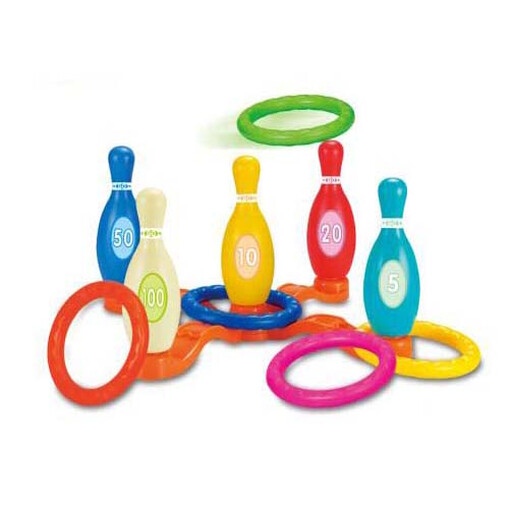
Why this product suits this profile: This set combines bowling and ring toss in one product and can be used on level surfaces indoors or outdoors. According to the product information, it’s suitable for children aged 3 and over.
It doesn’t rely on electricity or complicated assembly. You can easily check that the playing surface is stable before play begins.
The set includes 10 pins and 5 rings. This PP plastic set is designed for indoor and outdoor use.
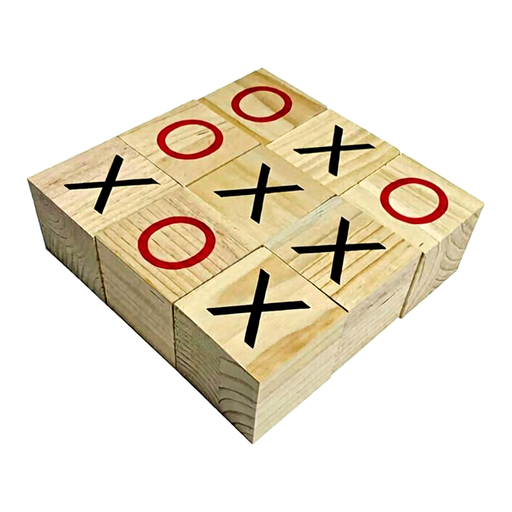
Why this product suits this profile: According to the product information, this garden game made from FSC-certified wood is suitable for children aged 5 and over, and can be used in the garden, at the playground or indoors.
The product details clearly specify the materials, recommended age and included pieces. This makes it easier to get a realistic idea of the space needed in advance.
The set includes 9 wooden blocks measuring 7 × 7 × 7 cm. It’s designed for two players and doesn’t need batteries.

Why this product suits this profile: This go-kart is designed for children aged 3 to 8 and suits families looking for a ride-on toy for active play.
The seat has two adjustment positions to suit your child’s height. The stated weight limit of 30 kg helps ensure it’s used appropriately.
This ride-on toy has forward and reverse gears, a metal frame and a steering angle limit of 20 degrees.
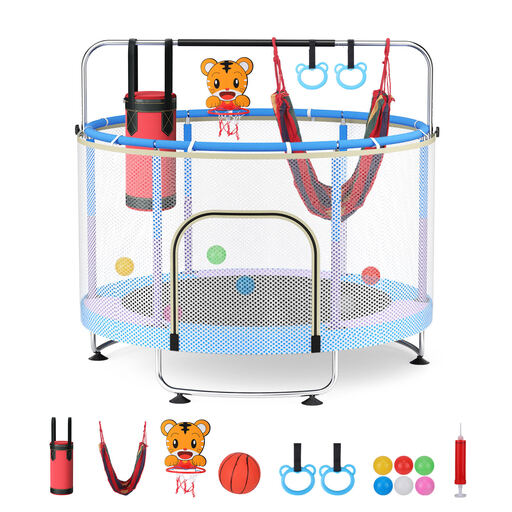
Why this product suits this profile: This children’s trampoline with a safety net combines bouncing with a swing, basketball and rings. It’s described as suitable for indoor and outdoor use.
The product description specifies a 360-degree safety net, frame padding and U-shaped legs. Children must still be supervised while using it.
This model has a diameter of 59 inches, 36 springs and several play attachments. Its stated capacity is 150 kg dynamically and up to 250 kg statically.
We’ve put together a complete, regularly updated list of products that meet these strict selection criteria and fully comply with the safety regulations in force across the EU.
Depending on your available space and budget, you could also consider a children’s slide, a basketball hoop for children, a children’s baseball set or a garden tic-tac-toe game. For larger gardens, options include a pedal tractor for children, a fixed climbing and activity playset or a bouncy castle with a water slide. For inflatable products, it’s especially important to consider the blower, anchoring, protection from the wind and drying the product after use.
For smaller spaces, a throwing game for children, a bowling and ring toss game or a manual dart game with hook-and-loop balls is usually easier to store. Whatever you choose, make sure the recommended age matches your child’s stage of development and how you plan to use the toy.
Depending on the product information, options for children aged 3 and over include simple throwing games, bowling and ring toss games, small slides, basketball sets and ride-on toys. Check for small parts, maximum weight limits and supervision requirements before buying.
How long a toy lasts depends on its materials, how heavily it’s used, how well it’s cared for and how it’s stored. Check plastic regularly for cracks. Metal frames and screw connections should be checked for looseness and rust. Inflatable products should be stored dry and clean, protected from the elements.
A mechanical trampoline doesn’t need electricity. However, you may have ongoing costs for replacement parts, a cover or new padding and nets if the originals become damaged. A bouncy castle needs a blower to operate, so it’s worth considering the power supply, running time and dry storage when planning.