
Lieferung heute & morgen

Qualitätsgarantie

Willkommens-Angebote freischalten: KOSTENLOSE Lieferung | Bis zu 80 % RABATT | Kostenlose 30-Tage-JoyPlus-Testphase
App herunterladen
The right outdoor garden lighting can make paths easier to see, highlight flowerbeds or create an inviting atmosphere on your patio. In practice, though, price and design aren’t the only things that can lead to a disappointing purchase. Unclear IP ratings, unsuitable power supplies and exaggerated claims about operating time are often the real culprits.
This buying guide explains which technical details matter for outdoor spaces in the UK and which types of lights suit different uses.
The term waterproof outdoor lighting doesn’t tell you much without a specific IP rating. A light rated IP44 is protected against splashing water, but shouldn’t be exposed to heavy rain, standing water or a garden hose for prolonged periods. IP65 offers protection against dust and water jets from different directions, but isn’t designed for immersion. IP67 also allows for temporary immersion under the standardised conditions defined by the rating.
The whole installation matters, too. Connectors, cables, power supplies and cable entries through walls must all be suitable for outdoor use and protected from water.
Solar garden lights charge during the day using an integrated or separate solar panel. Their stated run time depends on sunlight, orientation, shade, temperature and battery condition. In the UK winter, or after several overcast days, the actual lighting time can be much shorter.
So, a product listed as running for 8 to 12 hours is giving a figure based on suitable charging conditions, not guaranteeing that it will operate for that long in every situation.
RGB garden lighting creates colourful accents, but doesn’t automatically replace functional path or security lighting. For a driveway or entrance, brightness, beam angle and mounting height matter more than the number of colours available. When choosing LED garden spotlights, check that the lumen output, colour temperature and direction of the light suit the location.
If you’re considering smart garden lighting, check compatibility too. Matter, Wi-Fi, Bluetooth Mesh and proprietary apps aren’t automatically compatible with one another. For voice control, scenes and schedules to work, your phone, network and platform all need to be compatible.
Before buying, make sure the light is suitable for the area where you plan to install it:
A garden light with a ground spike is easy to reposition, but needs loose, reasonably firm soil. For hard surfaces, a base plate, wall bracket or permanent fixing is a better choice.
Solar lights don’t need a fixed power cable and work well along paths, lawn edges and in flowerbeds. Before buying, check:
Mains-powered lights usually provide a more consistent supply. A Wi-Fi garden light or 220-volt garden spotlight must only be connected in accordance with its instructions. Fixed-wired lights should be installed by a qualified electrician in line with applicable local regulations.
Lumens measure light output. In general, an LED outdoor spotlight with a higher lumen rating will illuminate a larger or brighter area than a low-output decorative light. For paths, aim for even lighting that’s positioned to minimise glare. For trees, façades or walls, an adjustable spotlight with a narrow beam may be more suitable.
If you’re choosing smart garden lighting, check compatibility as well. Matter, Wi-Fi, Bluetooth Mesh and proprietary apps aren’t automatically compatible with one another. Voice control, scenes and schedules depend on your phone, network and platform working together.
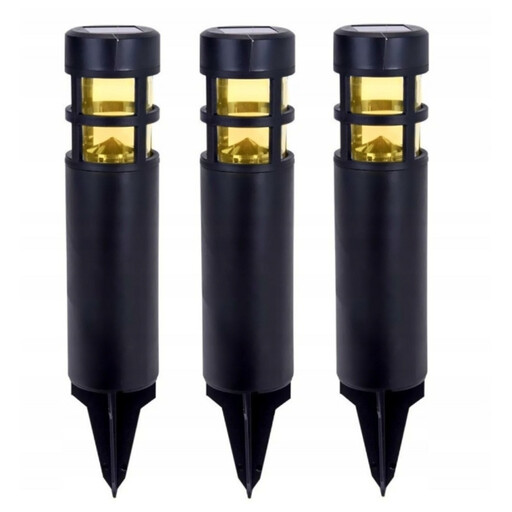
Why this product suits these needs: This set of three lights is designed to provide simple accent lighting along paths, lawn edges and in flowerbeds. It installs without a fixed power cable.
The product description specifies solar charging and automatic activation at dusk. Even so, choose a sunny spot before installing the lights.
Three lights in one set; solar-powered with dusk activation, according to the product details.
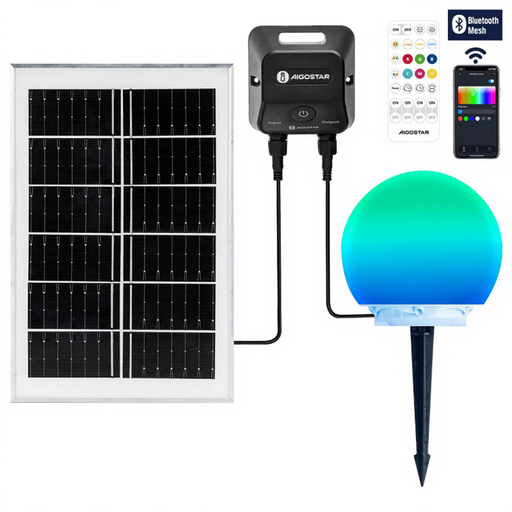
Why this product suits these needs: This solar-powered recessed ground light combines a separate 5-W solar panel with RGB and adjustable white light from 2700 to 6500 K, plus Bluetooth Mesh control.
Its stated IP67 rating and separate solar panel help address common issues with splashing water and unsuitable charging positions. The installation location still needs to be appropriate.
A stated 20 W output, 4000-mAh battery, RGBCCT lighting and connectivity for more than 200 lights, according to the product description.
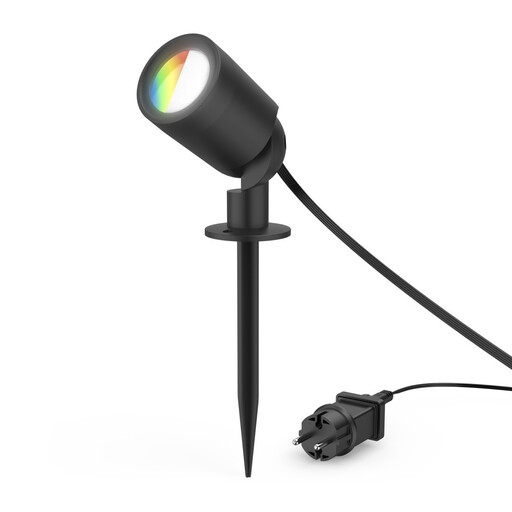
Why this product suits these needs: This light is aimed at people who want to combine app, voice and Matter controls with flexible installation.
Matter compatibility and the requirement for a 2.4-GHz Wi-Fi connection are clearly specified. That makes it easier to check whether the light will work with your existing smart home setup before you buy.
16 million colours, stepless dimming, schedules and installation with a ground spike or base; IP65 rating.
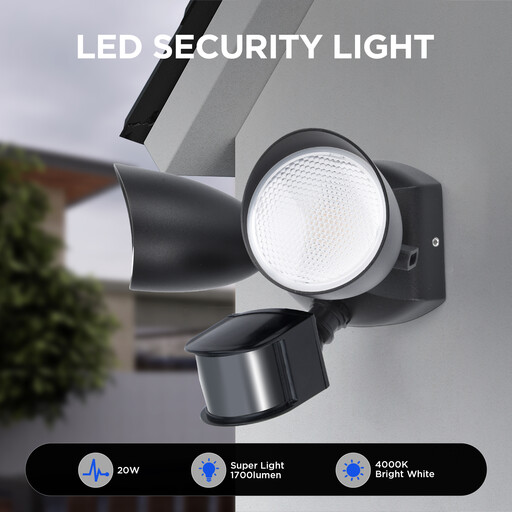
Why this product suits these needs: This outdoor wall light with motion sensor is designed for entrances, courtyards, garages and driveways where bright, automatic lighting is needed.
The product name specifies 1700 lm, 4000 K and a sensor. That gives you practical criteria to consider, rather than relying on decorative RGB features alone.
Two adjustable light heads, 20 W and neutral white light at 4000 K, according to the product details.
We’ve put together a complete, regularly updated list of products that meet these strict selection criteria and fully comply with the safety regulations in force in the EU.
IP44 may be enough for sheltered decorative areas. For lights installed in exposed parts of the garden, IP65 or higher is often more suitable. Recessed ground lights should be chosen to suit their installation conditions, with adequate drainage. An IP rating doesn’t automatically protect against every type of moisture.
Actual operating time depends on the battery, charging conditions, temperature and maintenance. Product details may, for example, state a run time of 8 to 12 hours under suitable conditions. Run time can decrease as the battery wears. Positioning the solar panel well and cleaning it regularly can help it charge effectively.
Running costs depend on wattage, daily use and your electricity tariff. A 7-W light used for five hours a day consumes 0.035 kWh per day. Solar lights don’t use mains electricity while running, but you should still factor in the initial cost, battery wear and any replacement parts.