
Lieferung heute & morgen

Qualitätsgarantie

Willkommens-Angebote freischalten: KOSTENLOSE Lieferung | Bis zu 80 % RABATT | Kostenlose 30-Tage-JoyPlus-Testphase
App herunterladen
As a Joybuy Product Recommendation Officer, I see every day how customers are confused by unclear product descriptions and exaggerated marketing promises. Choosing the right outdoor gear is critical for your comfort and safety on your adventures. The goal of this guide is to equip you with objective criteria, so you can make informed decisions and find products that reliably serve their purpose.
Before we dive into the key features, let's highlight three common problems that often lead to disappointment and unnecessary expense.
To avoid these pitfalls, focus on verifiable technical specifications. These three parameters are crucial for your gear's performance.
The hydrostatic head indicates how much water pressure a material can withstand before it becomes permeable. For reliable protection in the UK, you should consider the following benchmarks for your hiking gear:
A 3-in-1 waterproof jacket should ideally have a hydrostatic head of at least 10,000 mm to be prepared for changeable weather.
A material's ability to let water vapour (sweat) escape is indicated by the Moisture Vapour Transmission Rate (MVTR) in grams per square metre per 24 hours (g/m?/24h).
A quick-drying sports shirt made from performance fabric supports this process by wicking moisture away from the skin and transferring it to the next layer of clothing.
In addition to clothing, well-designed accessories are part of any outdoor kit. A travel packing cube set made of tear-resistant, water-repellent material helps keep your backpack organised and protects the contents from moisture. For campers, a durable table protector is useful for shielding sensitive surfaces from scratches and heat. Look for material thickness (e.g., 2 mm PVC) and heat resistance.
Here are some product recommendations tailored to specific use cases and the criteria mentioned above.
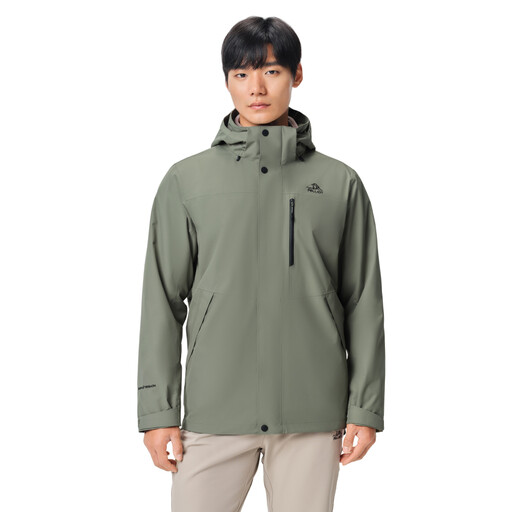
Why This Fits Their Persona: Ideal for those who want a single, adaptable jacket for various seasons and weather conditions in the UK – from a rainy autumn day to a cold winter hike.
Instead of vague promises, this jacket provides concrete performance data: a hydrostatic head of 35,900 mm H?O and a breathability rating of 16,000 g/m?/24h. This avoids the 'waterproof' trap and the sauna effect.
The 3-in-1 system offers maximum flexibility. The inner jacket is finished with an anti-static treatment, making it more comfortable to wear in dry winter weather.
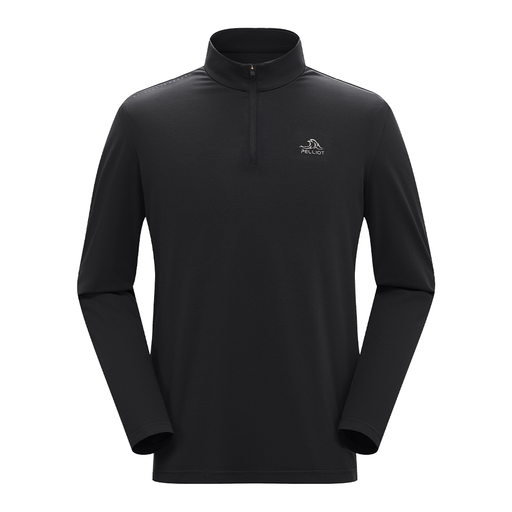
Why This Fits Their Persona: Perfect for runners, hikers, and fitness enthusiasts who want to stay dry and avoid unpleasant odours during intense exertion.
This shirt bypasses the trap of vague technologies by using Toray STORMDRY with measurable values (e.g., drying rate of 0.38 g/h) and the POLYGIENE treatment against bacterial growth. The performance is objectively specified.
The combination of extremely fast moisture wicking and odour-inhibiting technology ensures long-lasting comfort, even on multi-day tours or during intense training.
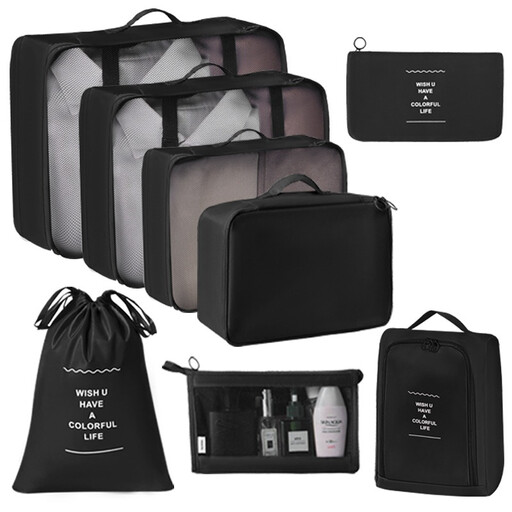
Why This Fits Their Persona: For anyone who values order and efficiency, whether in a suitcase for a family holiday or in a backpack for a trekking tour.
Many budget organisers quickly tear at the seams or zips. This set is made from high-quality, tear-resistant nylon fabric and features dual metal zippers, promising greater durability.
The set includes various sizes for systematic organisation. The waterproof material provides additional protection for the contents, and the mesh top allows for quick identification.
We have compiled a complete, up-to-date list of products that fully meet these strict selection criteria and relevant safety regulations.
1. What exactly does the hydrostatic head rating mean for outdoor clothing? The hydrostatic head is a standardised measure of a fabric's waterproofness. It indicates how high a column of water (in millimetres) could stand on the fabric before the first drops penetrate. A higher value means greater water resistance. For everyday use in the UK, a rating from 5,000 mm is often sufficient, while for serious outdoor activities, 10,000 mm or more is recommended.
2. How do I properly care for a waterproof jacket to maintain its functionality? Only wash the jacket when necessary, using a special detergent for technical apparel in the washing machine. Do not use fabric softener, as it can clog the pores of the membrane. Close all zips before washing. The durable water repellent (DWR) coating on the outside can be reactivated by gentle heating in a tumble dryer (low setting) or by ironing on the lowest setting (with a cloth in between). If needed, the DWR coating can be renewed with an appropriate spray.
3. Is a 3-in-1 jacket worthwhile for the UK climate? Yes, for many people, a 3-in-1 jacket is a very practical solution. It offers great flexibility: the outer shell alone serves as rain protection on warmer days, the inner jacket (often fleece or synthetic) acts as a light insulating layer during transitional seasons, and both together provide comprehensive protection against cold and wet in winter. This makes it a versatile companion for almost the entire year.