
Lieferung heute & morgen

Qualitätsgarantie

Willkommens-Angebote freischalten: KOSTENLOSE Lieferung | Bis zu 80 % RABATT | Kostenlose 30-Tage-JoyPlus-Testphase
App herunterladen
Whether it's a mountain hike, a weekend camping trip, running training or a holiday: outdoor gear needs to suit the location, weather and transport requirements. Many poor purchases happen not because of a lack of features, but because of unclear product descriptions and misplaced priorities.
Three common pitfalls crop up time and again:
When it comes to weather-resistant gear, you should check the exact wording. Water-repellent, water-resistant and waterproof are not automatically interchangeable in everyday use. A bag made from water- and dirt-repellent nylon is fine for changeable weather, but it doesn't necessarily replace a fully sealed dry bag.
With an LED torch, the IP rating is far more telling. The WUBEN G5 is rated IP68. This rating indicates a high level of dust protection and protection against temporary immersion under the relevant test conditions. The charging port should still be dry before USB-C charging.
Care also affects longevity. According to the product details, the Beneunder bag should be cleaned with a damp cloth and air-dried. Machine washing, harsh cleaning agents and strong heat are not recommended.
For day trips, a mini crossbody bag with a clear internal layout is often sufficient. The Beneunder LC169 offers a volume of 1.2 litres according to the manufacturer, which can be expanded to 3.6 litres. With a weight of just 98 grams, it can be suitable for a smartphone, keys, wallet, small power bank and personal items. However, this format won't be enough for extra clothing or extensive camping gear.
With trekking poles, you need to consider length, packed size and number of sections together. A 4-section telescopic aluminium trekking pole may appeal to users who prefer a compact transport size and a relatively robust material. A carbon fibre trekking pole with three sections is aimed more at those who want low weight and an extended grip on longer treks. Your individual height and the intended pole length should be checked before buying.
A sun hat with UV protection shouldn't be chosen just because it says 'UV protection' on the label. What matters are brim width, fit, size range, ventilation and fastening. According to the product details, the TOP-EX hat has a brim of around 7 to 9.4 centimetres, an adjustable drawcord and a detachable chin strap. The stated UPF 50 rating comes from the seller's product information and is not a medical efficacy claim.
For runners, a waterproof running cap with breathable mesh, adjustable fit and sweatband can be more practical than a wide-brimmed sun hat. When buying, you should consider head circumference, care instructions and whether the peak gives you a clear line of sight. The TOP-EX running cap is described as hand-wash only and is available in several size ranges.
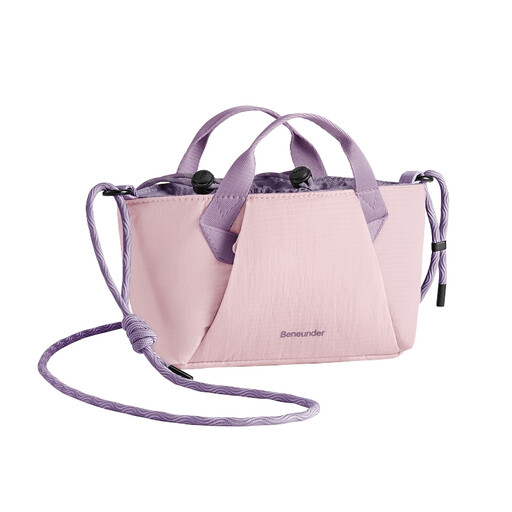
Why this product suits the profile: The bag is designed for short trips, travel and everyday errands where you only need to carry a few items.
The capacity is clearly stated as 1.2 to 3.6 litres. This makes it easier to match the storage space to your actual needs.
Weighs just 98 grams, expandable volume and multiple internal compartments; the nylon is described as water, oil and dirt repellent.
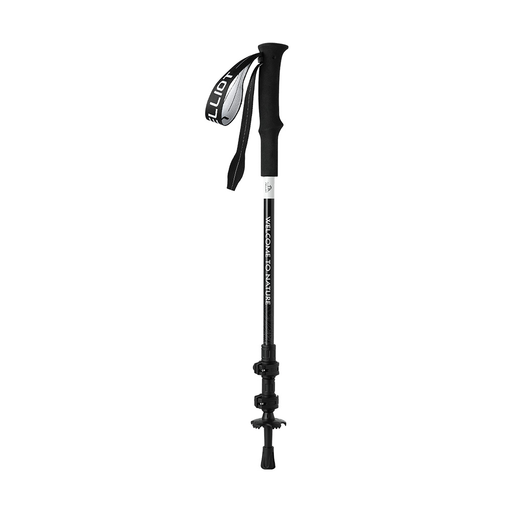
Why this product suits the profile: The three-section carbon fibre trekking pole is designed for users who value low transport weight and an extended EVA grip on hiking and mountain treks.
The carbon fibre material and three-section construction are clearly stated. Still, check the correct length and locking mechanism before ordering.
Carbon fibre construction, three sections and an extended EVA grip for different hand positions.
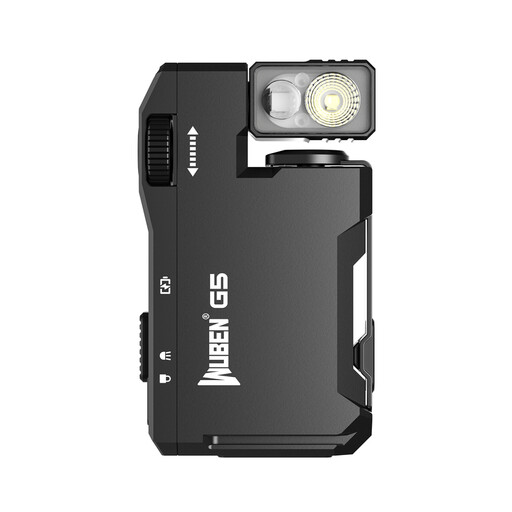
Why this product suits the profile: For camping, night hikes, travel and emergency kits, multiple light modes and a rechargeable power source are very practical.
Alongside the stated brightness of 1,200 lumens, it also lists up to 93 metres of beam distance, six modes and IP68. This makes it easier to compare across several requirements.
USB-C charging, six lighting modes, aluminium housing and an IP68 rating.
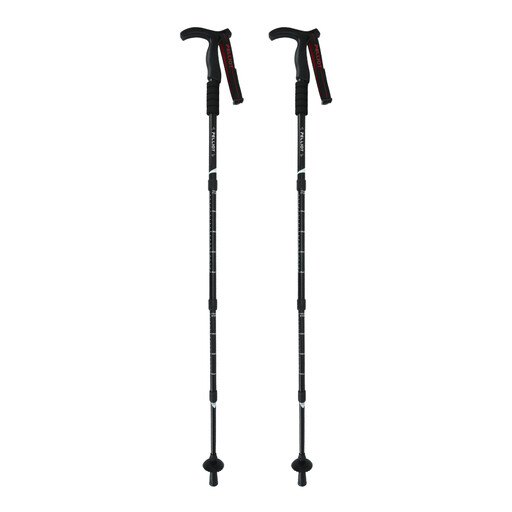
Why this product suits the profile: The four-section design may appeal to walkers and travellers looking for a compact trekking pole for occasional use.
The number of sections and the material are clearly specified. Before buying, check the adjustment range and whether it suits your height.
Aluminium alloy and four-section telescopic design for space-saving storage.
We've put together a full, regularly updated list of products that meet these strict selection criteria and comply with all applicable EU safety regulations.
Depending on the route, you should include a water bottle, weather-appropriate clothing, a basic first-aid kit, a mobile phone, a charging option, a navigation aid and a small light source. A mini crossbody bag can be enough for personal items, but it doesn't replace a rucksack for longer treks.
The lifespan depends on the material, how much it's used, UV exposure, moisture and care. After every trip, check the fastenings, seams, pole sections and torch charging ports. Damaged parts should not be used further, especially with trekking poles and safety-critical emergency equipment.
A USB-C torch doesn't need disposable batteries. The running costs depend on the charger you use, the battery capacity and how often you charge it. For planning purposes, it's more important to charge the torch regularly and, with waterproof models, to make sure the charging port is completely dry before charging.