
Lieferung heute & morgen

Qualitätsgarantie

Willkommens-Angebote freischalten: KOSTENLOSE Lieferung | Bis zu 80 % RABATT | Kostenlose 30-Tage-JoyPlus-Testphase
App herunterladen
Finding the right outdoor gear can be a challenge. The market is flooded with products promising durability and functionality. However, behind the grand marketing claims often lie pitfalls that only become apparent during actual use in the great outdoors. Before making a purchase, it's crucial to understand the most common traps to avoid a bad investment.
One of the most common disappointments stems from confusing "waterproof" with "water-resistant". A backpack labelled as water-resistant might withstand a light shower, but it won't reliably protect its contents during sustained rain or accidental submersion. Another pitfall is over-reliance on battery-powered electronics. A "smart" camping gadget is only useful as long as its battery lasts. In critical situations, non-electric, manual alternatives often prove to be the more dependable choice. Finally, the term "portable" is frequently used misleadingly. Gear that is advertised as portable but adds unnecessary bulk and weight to your pack contradicts the very essence of mobility and freedom.
To ensure your equipment can handle the demands of your adventures, you should focus on a few fundamental parameters. These objective criteria will help you separate the wheat from the chaff and make an informed decision.
The longevity of outdoor gear hinges on the materials used and their construction. For backpacks, tear-proof and abrasion-resistant fabrics are crucial. An additional coating enhances protection against moisture. For devices like a portable espresso maker or a manual coffee grinder, stainless steel is often an excellent choice. It's not only robust and corrosion-resistant but also, unlike many plastics, taste-neutral—a significant advantage when preparing food and drinks.
True portability isn't just about size; it's about a smart balance of weight, packability, and functionality. A 10L waterproof backpack that can be folded into its own pocket when not in use is a prime example of functional portability. It provides storage when needed without taking up permanent space. Pay close attention to the empty weight of products. Every gram counts, especially on longer treks.
For maximum freedom and reliability in the wild, power-independent camping accessories are a smart choice. A manual travel coffee maker allows you to brew a fresh espresso anywhere, without depending on a power outlet or charged batteries. Paired with a high-quality manual coffee grinder featuring a precision burr, you have complete control over the quality of your coffee—a small luxury that makes a big difference on the go.
Based on these objective criteria, we have identified several products that are particularly well-suited for specific user profiles and their needs.

Why This Fits Their Persona: Ideal for anyone who refuses to compromise on high-quality, freshly brewed espresso, even far from civilisation. This set offers a complete, power-independent solution for coffee enthusiasts while travelling, camping, or on a boat.
The set is entirely manual, thus bypassing the unreliability of battery-operated devices. Its compact design and included carrying case avoid the trap of bulky, impractical "portable" gear.
The manual espresso maker can be operated with hot or cold water. The integrated coffee grinder features a precision stainless steel conical burr with 12 grind settings.
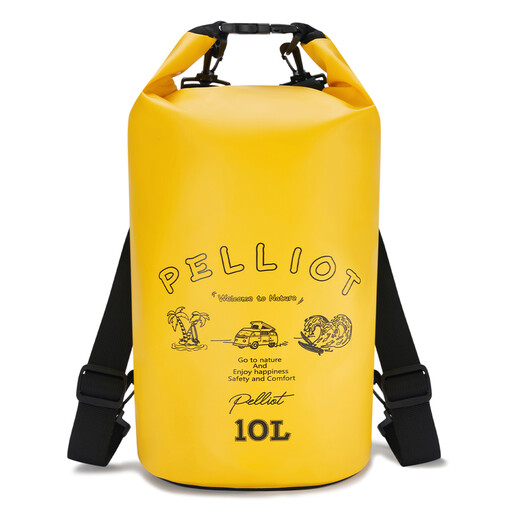
Why This Fits Their Persona: Perfect for kayakers, sailors, or stand-up paddleboarders. For these activities, it is crucial that gear remains completely dry. The bright yellow colour increases visibility on the water, which is a key safety feature.
This Dry Bag with its roll-top closure provides reliable protection from water that goes far beyond the capabilities of a merely water-resistant backpack. It directly addresses the pitfall of ambiguous "waterproof" claims.
The product combines a 10L storage volume with a low weight of approx. 200 g. An integrated emergency whistle on the chest strap serves as an additional safety feature.

Why This Fits Their Persona: Suitable for commuters, cyclists, or spontaneous day trips. This backpack is a lightweight and flexible companion that offers protection from rain when needed and can be packed down small otherwise. The neutral colour suits any occasion.
Weighing only approx. 200 g and with the ability to be folded into its own pocket, this backpack is a prime example of functional portability, escaping the trap of unnecessarily bulky gear.
The reinforced, tear-resistant fabric with a water-repellent coating protects the contents from light rain. Ergonomic shoulder straps ensure carrying comfort during various activities.
We have compiled a complete, real-time list of products that fully satisfy these strict selection criteria and UK safety regulations.
Proper maintenance extends the life of your equipment. Waterproof bags and backpacks should be cleaned with a damp cloth and left to air dry. Avoid machine washing, as this can damage the coatings. A manual coffee grinder should be cleaned dry, ideally with a small brush, to remove coffee grounds from the burrs without exposing the metal parts to moisture.
The main difference often lies in the closure system and the level of protection. A dry bag typically uses a roll-top closure, which creates a very secure seal against water and can often withstand brief submersion. A waterproof backpack is usually equipped with waterproof zippers that offer excellent protection in heavy rain but may not provide the same level of sealing as a roll-top closure if fully submerged.
For a minimalist day hike, a 10L waterproof backpack is often sufficient. It provides enough space for the essentials: a water bottle, snacks, a light rain jacket, a first-aid kit, and personal valuables like a smartphone and keys. For trips requiring more gear or provisions, a larger model should be considered.