
Lieferung heute & morgen

Qualitätsgarantie

Willkommens-Angebote freischalten: KOSTENLOSE Lieferung | Bis zu 80 % RABATT | Kostenlose 30-Tage-JoyPlus-Testphase
App herunterladen
Outdoor hiking shoes with heels combine a striking look with features inspired by hiking and mountaineering. That combination can make choosing the right pair tricky: a shoe may look like a mountaineering boot without necessarily being suitable for demanding alpine trails. So if you’re looking to buy women’s or men’s hiking shoes with heels, don’t focus only on the colour and heel height.
Terms such as “Mountain Climbing”, “wear-resistant” or “cushioning” initially describe how a product is marketed. They don’t automatically tell you what materials are used, how the outsole is constructed or which surfaces the shoe is suitable for.
Before you buy, check that you have clear information about:
A heel shifts your weight and can affect your footing on gravel, wet leaves, roots and uneven ground. If you’re planning longer walks, pay particular attention to how the heel works with the tread on the outsole.
These shoes can be a good style choice for paved paths, walks, casual outfits or short outdoor activities. For technically challenging mountain hikes, however, purpose-designed hiking shoes without a fashion heel are often more practical. So don’t assume that a shoe described as a “mountaineering shoe” is automatically suitable for every alpine route.
“Padded hiking shoes” may help improve comfort with a padded lining or cushioned midsole. However, without information about the construction, materials or density, you can’t draw conclusions about a particular level of performance.
“Wear-resistant hiking shoes” won’t last the same amount of time in every situation, either. Asphalt, rough rock, wet conditions, dirt and frequent flexing all put different demands on the upper and outsole. If you expect to wear your shoes for a long time, choose a pair that suits how you’ll actually use them.
Getting the right size is particularly important with shoes that have a heel. Your foot should feel secure around the heel, while your toes shouldn’t touch the front of the shoe. Feet can swell slightly on longer walks, so check the size chart for the specific product rather than relying only on your usual shoe size.
Also look for:
The options available vary by size, colour and style. This selection includes black women’s hiking shoes in sizes 37, 38 and 39, as well as grey men’s hiking shoes in sizes 41 to 44.
The connection between the ground and the outsole is crucial for outdoor shoes. A prominent tread can be useful on loose surfaces, but it’s no substitute for checking how the sole is constructed. Before buying, find out whether the sole is intended for dry paths, wet surfaces or mainly urban terrain.
If the shoe has a heel, check that its contact area is wide enough. A narrow heel may sink more quickly into soft or uneven ground. A wider design may provide more contact with the ground, but that doesn’t automatically make it slip-resistant.
A durable upper can be useful if you wear your shoes regularly. The term “wear-resistant” in the PELLIOT product names indicates that abrasion resistance is a promoted feature. It doesn’t guarantee a particular lifespan.
After wearing your outdoor hiking shoes:
If you’re expecting heavy rain or planning longer walks, also check whether the shoes are explicitly described as waterproof. A water-repellent upper isn’t the same as a fully waterproof construction.
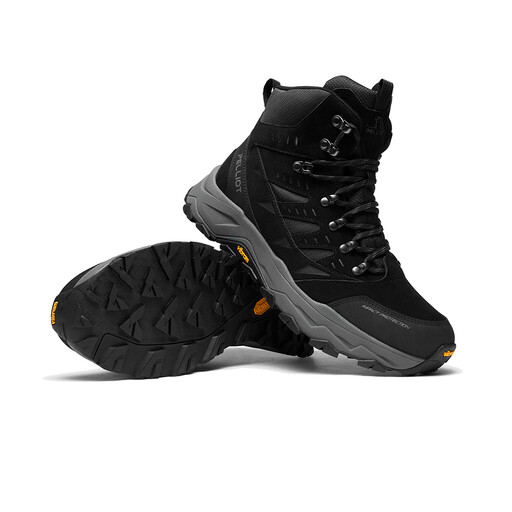
Why this product suits this profile: This black women’s style in size 39 is for shoppers looking for a striking outdoor-inspired look for everyday wear, walks and shorter outings.
The specific size and colour are clearly stated in the listing. Still, check the size chart, heel details and outsole tread before buying.
As stated in the product name: black design, size 39, and claims of abrasion resistance and cushioning.
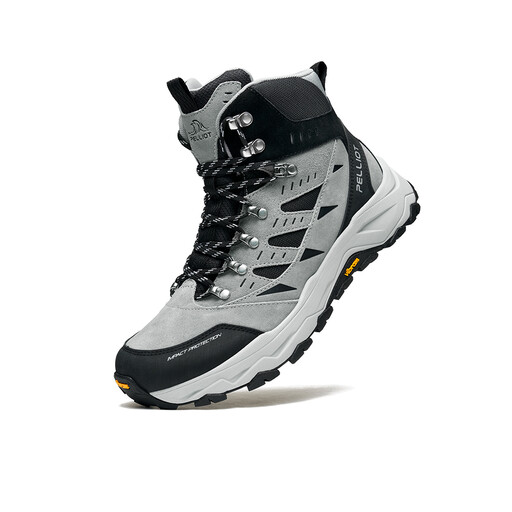
Why this product suits this profile: This grey men’s style in size 41 is an option for shoppers who want to pay close attention to the design, size and stated product features before buying.
Don’t choose on looks alone: check the information about interior space, outsole, heel and care before placing your order.
As stated in the product name: grey colour, size 41, and claims of abrasion resistance and cushioning.
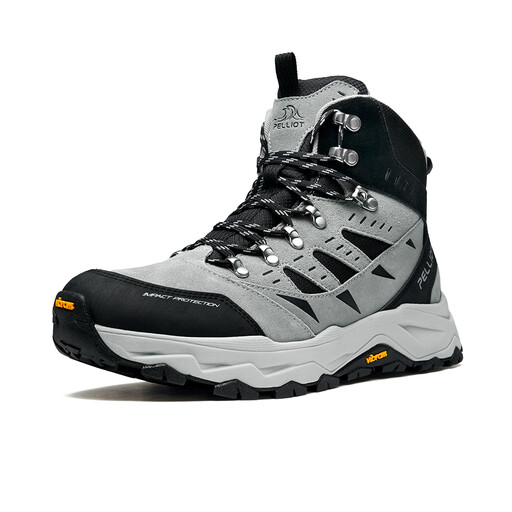
Why this product suits this profile: Size 44 may be a good option for larger feet. This style is best suited to shoppers who want to combine a distinctive look with an outdoor-inspired design.
If you wear the shoes frequently, check the heel, tread and heel area regularly for signs of wear. Before using them on technically challenging mountain hikes, make sure they’re suitable for that purpose.
As stated in the product name: size 44, grey design, and claims of abrasion resistance and cushioning.
We’ve put together a complete, regularly updated list of products that fully meet these strict selection criteria and the safety regulations applicable in the EU.
It depends on the fit, heel shape, outsole tread and how confident you feel on your feet. They can be suitable for paved paths and shorter distances. On uneven, slippery or steep terrain, a heel can make it harder to stay stable. For long alpine hikes, check the technical details of the specific model particularly carefully.
There’s no set lifespan that applies to every pair. How often you wear them, the surfaces you walk on, your body weight, how you care for them and exposure to moisture all affect wear. Check the tread, heel, seams and lining regularly. If you notice visible cracks, heavily worn tread or an unstable heel, don’t continue wearing the shoes on challenging routes.
Brush off dirt after wearing the shoes. Leave them to dry slowly at room temperature, and don’t put them on radiators. Avoid using harsh cleaners on the padding. Always follow the care instructions provided with the product or by the manufacturer.