
Lieferung heute & morgen

Qualitätsgarantie

Willkommens-Angebote freischalten: KOSTENLOSE Lieferung | Bis zu 80 % RABATT | Kostenlose 30-Tage-JoyPlus-Testphase
App herunterladen
Whether you’re camping, hiking, having a barbecue or tackling repairs around the house, your lighting needs to suit both where you’ll use it and how it’s powered. Decorative solar string lights have different requirements from a waterproof torch or an LED work light for the workshop.
High lumen figures, a range of light modes and technical abbreviations can look impressive on product pages. What matters, though, is whether the light will work well in everyday use. The tips below will help you avoid common buying mistakes and choose LED lights using clear, practical criteria.
The lumen figure describes the luminous flux. A higher figure doesn’t automatically mean a light is right for every situation. A lower brightness setting may be more comfortable for reading in a tent, while repairs in an engine bay call for a focused beam.
So, also check:
A rechargeable LED light with a USB-C port is handy if you have a power bank or charger with you. Battery-powered lights, on the other hand, can be a good choice if you plan to store the light for a long time and use it only in an emergency.
Before you buy, check:
For example, a set of two barbecue lights needs three AAA batteries for each light. That’s six batteries in total, and they may not be included.
An IP rating consists of two digits. The first indicates protection against solid objects and dust; the second indicates protection against water. IP44, for example, is designed to protect against water splashes from different directions, while IP68 indicates a much higher level of protection. You should still follow the manufacturer’s instructions for use.
So, when choosing outdoor LED string lights, don’t base your decision on design alone. Check whether the power supply, battery compartment or solar panel is also suitable for the outdoor setting you have in mind. If you’re using a camping lantern with a USB-C port, make sure the charging port is dry before charging it.
When choosing an LED torch for hiking, consider its beam range, grip and whether you can focus the beam. A head torch should sit comfortably and be easy to operate. For an LED work light, a stable base, magnet or hook is often more important than maximum range.
Multiple modes can help reduce power consumption. For SOS or flashing modes, make sure they’re easy to operate and can’t be switched on accidentally during normal use.
Before you buy, think about where you’ll attach or place the light:
Weight and dimensions matter, too. A children’s torch weighing around 46 g is easy to pack in a rucksack, but naturally gives a different kind of light from a large camping lantern with a built-in power bank.
A solar string of lights needs a sunny spot for its solar panel. In the shade, in cloudy weather or during winter, the lights may stay on for less time. Solar power is a practical choice for garden, balcony or patio decorations when there’s no power socket nearby.
Check the cable length, number of LEDs, timer function and mounting options. Outdoor LED string lights measuring 5 metres are suitable for smaller areas, while a 12-metre string or a 3 x 3-metre curtain of lights can cover a larger space.
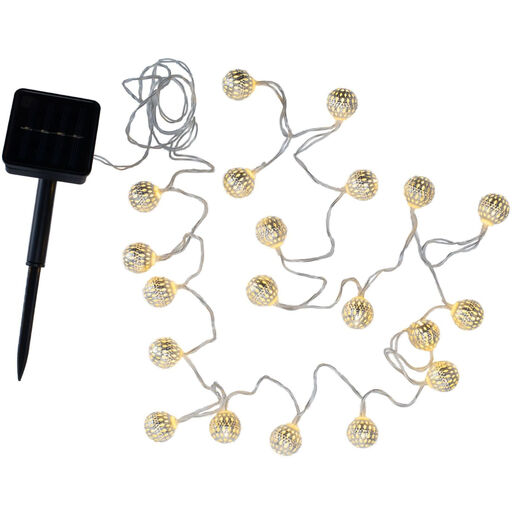
Why this product suits this profile: These solar-powered string lights don’t need a mains connection, making them suitable for the garden, balcony, patio or a decorated campsite.
The product description specifies 20 LEDs, a length of 5 metres, warm white light at 2700 K and four light modes. This makes it easier to judge the size and how you’ll use the lights before buying.
Solar panel, automatic dusk sensor, shatter-resistant PC casing and the option to connect multiple strings, according to the product description.
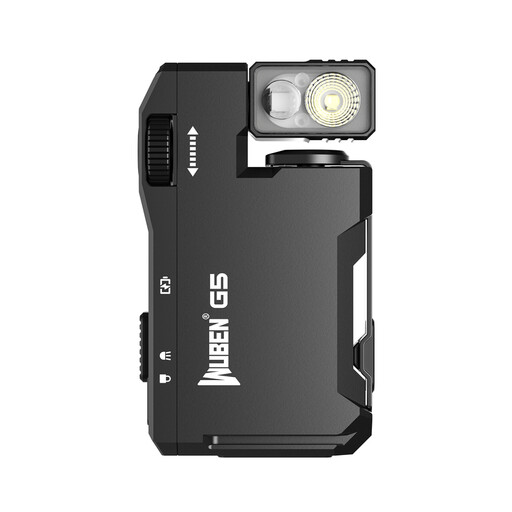
Why this product suits this profile: USB-C charging, six light modes and a stated IP68 rating are useful features for hikers, outdoor enthusiasts and anyone looking for an emergency light at home.
As well as the brightness figure, the product description specifies a range of up to 93 metres, a USB-C port and the IP rating. Make sure the charging port is dry before use.
1200 lumens according to the product details, six modes, a USB-C rechargeable battery and an aluminium casing.
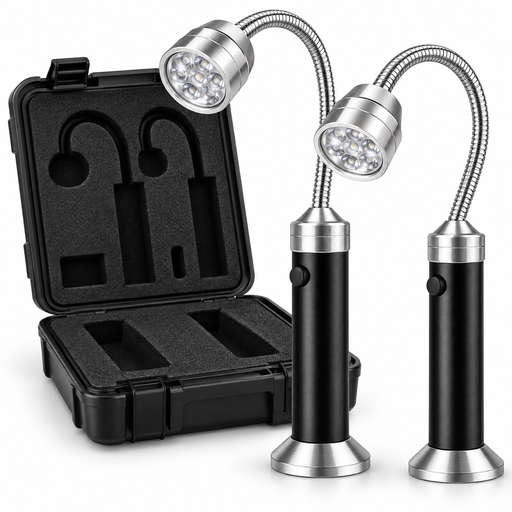
Why this product suits this profile: Barbecue fans and DIYers get two compact lights with magnetic bases and 24 cm flexible goosenecks for focused lighting.
The battery requirements are clearly stated: each light needs three AAA batteries, which aren’t included. You can plan for the extra cost before buying.
1 W LED per light, magnetic base, adjustable gooseneck and storage box.
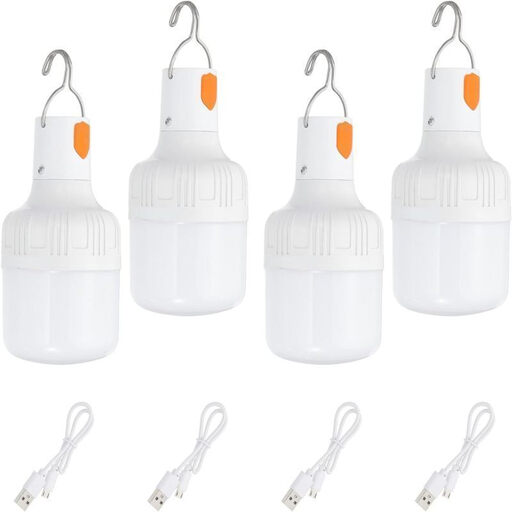
Why this product suits this profile: Four separate lanterns are ideal for families, group trips or keeping around the home as emergency lights in case of a power cut.
USB-C charging cables are included, according to the product description. It also advises supervising the lanterns while charging and keeping them away from moisture and heat.
Four lights, metal hooks and three modes: low brightness, high brightness and flashing.
We’ve put together a complete, regularly updated list of products that meet these strict selection criteria and the safety requirements in force in the EU.
It depends on how you plan to use it. Lower brightness settings are often enough for finding your way around the house or inside a tent. Higher figures can be useful on hiking trails, during repairs or when lighting a large outdoor area. The beam pattern, range and ability to turn down the brightness matter, too.
Lifespan depends on the LED module, electronics, rechargeable battery or disposable batteries, and the temperature at which you use the light. The capacity of rechargeable batteries decreases over time with repeated charging. Store lights in a dry place, charge rechargeable batteries as directed by the manufacturer and remove disposable batteries before long-term storage, if recommended.
That depends on the stated IP rating and the manufacturer’s guidance. The solar panel needs enough daylight to provide the LEDs with sufficient power for the night. If there’s frost, heavy rain or the lights won’t be used for a long time, check whether they should be stored somewhere sheltered.