
Lieferung heute & morgen

Qualitätsgarantie

Willkommens-Angebote freischalten: KOSTENLOSE Lieferung | Bis zu 80 % RABATT | Kostenlose 30-Tage-JoyPlus-Testphase
App herunterladen
Well-planned outdoor LED lighting can transform a garden, patio, or balcony into an atmospheric oasis while simultaneously enhancing security. However, the market is flooded with products whose promises don't hold up in practice. Common frustrations include string lights advertised as "weatherproof" that fail after the first downpour, or a solar lamp that produces little more than a faint glimmer. These issues often stem from two common pitfalls: inadequate weather resistance and exaggerated performance claims.
Many buyers are guided by marketing buzzwords instead of technical facts, leading them to invest in products unsuitable for the UK climate. Another problem is choosing the wrong light source for the intended purpose, resulting in the wrong atmosphere or insufficient illumination. This guide will show you which crucial parameters to look for to find durable and appropriate outdoor LED lighting.
To make an informed decision, don't be swayed by advertising slogans. Instead, examine three core technical aspects. These will determine the longevity, functionality, and atmosphere of your new lighting.
The term "weatherproof" is flexible. The decisive specification is the IP rating (Ingress Protection). It consists of two digits: the first (0-6) describes protection against foreign objects (like dust), and the second (0-9) describes protection against water.
Ensure that the specified IP rating applies to the entire fixture, including the power plug or the battery compartment in mobile solutions.
The effect of light is determined by two values: the light colour in Kelvin (K) and the brightness in Lumen (lm).
Light Colour (Kelvin): This value describes whether the light appears warm or cool.
Brightness (Lumen): Lumen is the crucial unit for brightness, not Watt. Watt only indicates energy consumption.
The type of power supply determines flexibility and installation effort.
Instead of presenting an overwhelming list, we have selected products that meet specific requirements and avoid the pitfalls mentioned earlier.
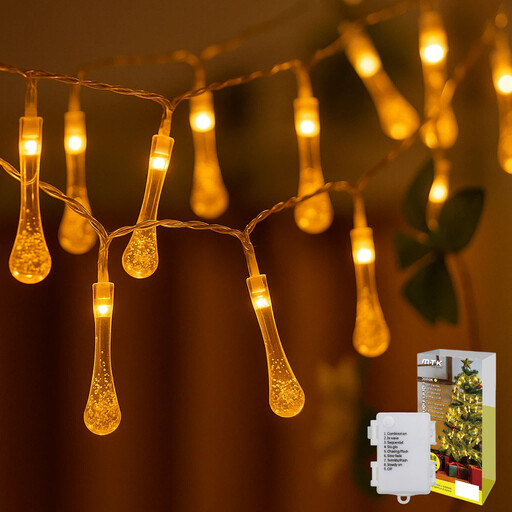
Why This Fits Their Persona: Ideal for spontaneous parties, balcony lighting, or seasonal accents like outdoor Christmas lights. Being battery-operated, it eliminates the need to find a power socket, and installation is done in minutes. The warm white light colour (3000 K) creates an inviting atmosphere.
Bypasses the installation hurdle as no fixed wiring is needed. The IP44 rating provides sufficient protection for temporary, sheltered outdoor use, preventing failures from splashing water.
8 lighting modes with a memory function for varied effects; easy to handle thanks to battery operation.
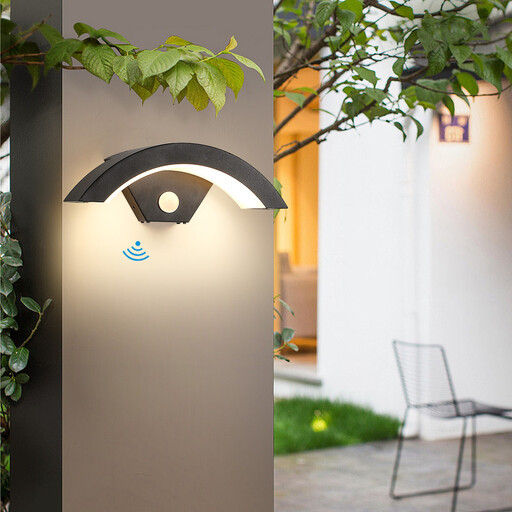
Why This Fits Their Persona: Perfect for illuminating entrances, pathways, or garages. The integrated motion sensor only switches the light on when needed, providing security and saving energy. The warm white light (3000 K) feels welcoming, not sterile.
Engineered as a permanent outdoor wall light with a motion sensor, its robust construction and weather resistance are designed for year-round use, protecting it from rapid wear and tear from the elements.
Combination of light and motion sensors for automated operation; robust die-cast aluminium construction.
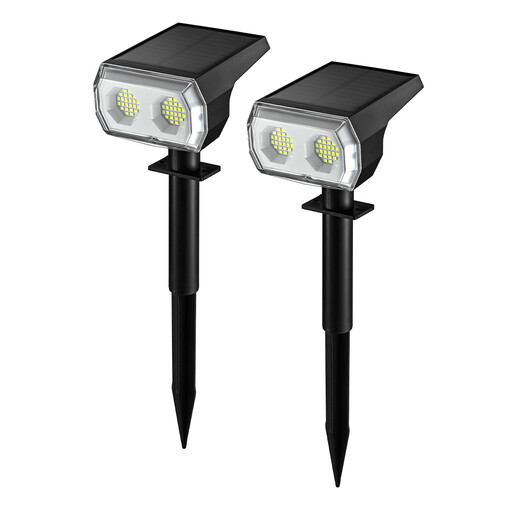
Why This Fits Their Persona: Ideal for highlighting trees, shrubs, or paths in your garden lighting scheme without adding to the electricity bill. Installation is tool-free via a ground stake or wall mount, allowing for maximum flexibility in garden design.
With an IP65 rating, this spotlight is dust-tight and protected against water jets. This avoids the typical weakness of many budget outdoor solar lights—poor sealing and rapid corrosion.
No electricity costs thanks to solar power; high weather resistance (IP65) for longevity; two light modes for constant light or motion detection.
The IP rating indicates how well a light fixture is protected against the ingress of foreign objects (first digit) and water (second digit). For outdoor use, the second digit is crucial. IP44 means protection against splashing water and is sufficient for sheltered areas. IP65 offers protection against water jets and is the safer choice for unsheltered areas.
The performance of solar lights is directly dependent on sun exposure. In winter, with shorter days and often overcast skies, the illumination time is significantly reduced. During this season, they are better suited for decorative accents rather than reliable security lighting. For consistent, year-round performance, mains- or battery-powered lights are the more dependable alternative.
That depends on the power source. You can easily install solar- and battery-powered lights yourself. For lights that require a fixed 230-volt mains connection, installation must be carried out by a qualified electrician for safety reasons and to comply with local electrical codes and safety regulations.