
Lieferung heute & morgen

Qualitätsgarantie

Willkommens-Angebote freischalten: KOSTENLOSE Lieferung | Bis zu 80 % RABATT | Kostenlose 30-Tage-JoyPlus-Testphase
App herunterladen
A well-chosen outdoor light with a motion sensor not only enhances security around your home but also offers convenience when you arrive after dark or enter the garden. However, the market is flooded with products that often fail to deliver on their promises. Before you make a decision, it's crucial to understand the common pitfalls that can lead to frustration and unnecessary expense.
This guide will help you understand the key features and find a light that works reliably and meets your specific needs.
Many buyers focus on marketing buzzwords or pure aesthetics, overlooking the technical details that determine durability and functionality. Here are the three most common problems:
To avoid the mistakes mentioned above, focus on three verifiable technical specifications. These determine whether a light is suitable for your intended location.
The IP (Ingress Protection) rating indicates how well a housing is protected against the ingress of foreign objects and water. For outdoor use, two ratings are particularly relevant:
A good outdoor floodlight with a sensor must operate precisely. Pay attention to the following specifications:
The type of lighting and power supply directly impacts brightness, operating costs, and installation effort.
Instead of a one-size-fits-all recommendation, we have selected products that meet specific needs and are designed to avoid the pitfalls mentioned earlier.
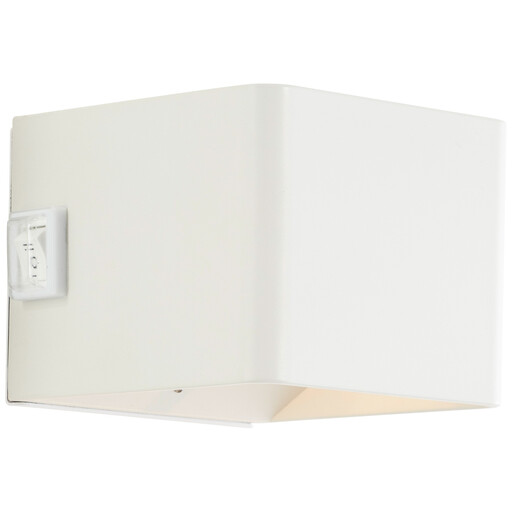
Why This Fits Their Persona: Ideal for renters or for places where a permanent installation isn't possible or desired. Perfect for a balcony, garden shed, or as a temporary light for camping.
Avoids the 'unsuitable power source' problem with its integrated, USB-rechargeable battery. The IP44 rating is clearly defined and sufficient for mobile, mostly sheltered use.
Battery-powered for wireless mobility; magnetic mount for easy attachment to metal surfaces.
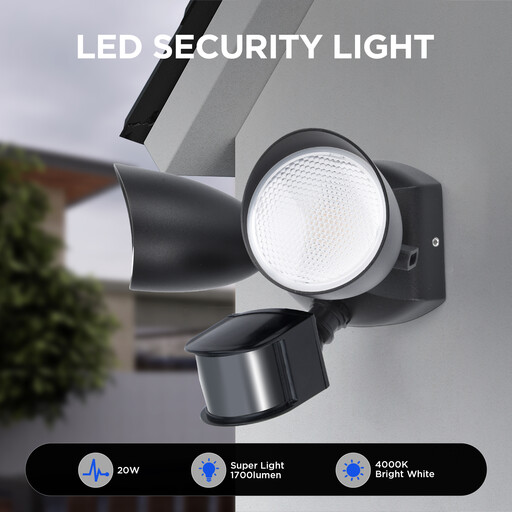
Why This Fits Their Persona: For homeowners who need maximum illumination of driveways, yards, or gardens for deterrence and security. The mains connection ensures constant operational readiness.
Counteracts the problem of insufficient illumination. With 1700 lumens and two swivelling heads, even large areas are reliably lit, minimising dark corners and associated security risks.
Very high brightness (1700 lm) for large-area illumination; two individually adjustable floodlight heads for targeted light.
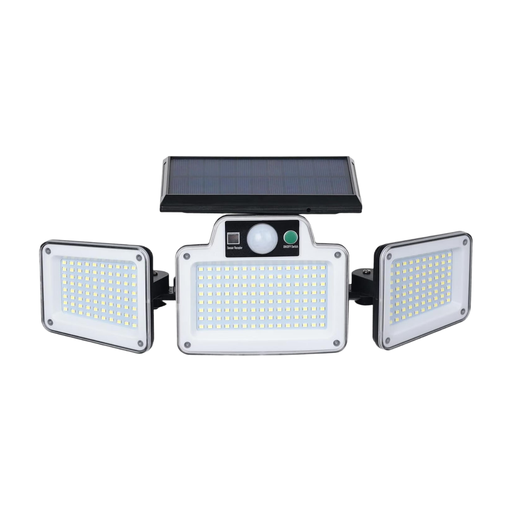
Why This Fits Their Persona: A self-sufficient solution for garden paths, garages, or sheds where no power line is available. Ideal for anyone looking to save on operating costs and seeking an eco-friendly lighting solution.
Solves the problem of solar lights in shady locations with a separate solar panel connected by a long cable. The high IP65 rating ensures durability even when directly exposed to the elements.
Separate solar panel for optimal sun exposure; three adjustable light modes via remote control.

Why This Fits Their Persona: For anyone seeking functional lighting that also serves as a modern architectural element on their home's facade. The warm white light (3000K) creates an inviting atmosphere at the entrance or on the patio.
Escapes the trap of purely functional but unattractive security lights. This model combines an appealing design with a robust die-cast aluminium housing and reliable sensor technology.
Modern, U-shaped design; robust housing and warm white light (3000 K) for a pleasant atmosphere.
We have compiled a complete, up-to-date list of products that fully meet these strict selection criteria and German safety regulations.
The recommended mounting height is typically between 2 and 3 metres. If the light is mounted too high, the sensor's sensitivity may decrease. Mounting it too low reduces the detection area and makes the light more vulnerable to tampering. Always follow the manufacturer's specific recommendations.
The lifespan of LEDs is specified in operating hours and is often between 25,000 and 50,000 hours. With an average use of a few minutes per day, an LED light can theoretically last 15 years or more. In practice, it is often other components, such as the sensor or the power supply, that fail before the LED itself.
Yes, the sensor requires a small amount of power in standby mode to remain operational. However, this consumption is minimal, typically under one watt. The main power draw occurs only when the light is actually on. Compared to a continuously lit lamp, the energy savings from sensor operation are significant.