
Lieferung heute & morgen

Qualitätsgarantie

Willkommens-Angebote freischalten: KOSTENLOSE Lieferung | Bis zu 80 % RABATT | Kostenlose 30-Tage-JoyPlus-Testphase
App herunterladen
The right outdoor lighting transforms a garden, patio, or balcony into a welcoming oasis while also enhancing security. However, the market is saturated with products that often fail to live up to their promises. Before you invest, it's crucial to understand the common pitfalls that lead to disappointment and unnecessary expense.
This guide will help you separate the wheat from the chaff. We'll focus on the three most common problems when choosing outdoor lights and show you which technical specifications truly matter.
To avoid these problems, you should focus on objective, technical parameters instead of marketing buzzwords. Three features are of central importance.
The IP Rating (Ingress Protection) is the most reliable indicator of how well a light is protected against foreign objects and water. It consists of two digits.
The choice of power source depends on the location and your desired level of convenience.
The material determines how well your outdoor lighting will withstand the elements.
Instead of presenting an overwhelming list, we've selected products that meet specific needs and avoid the pitfalls mentioned earlier.
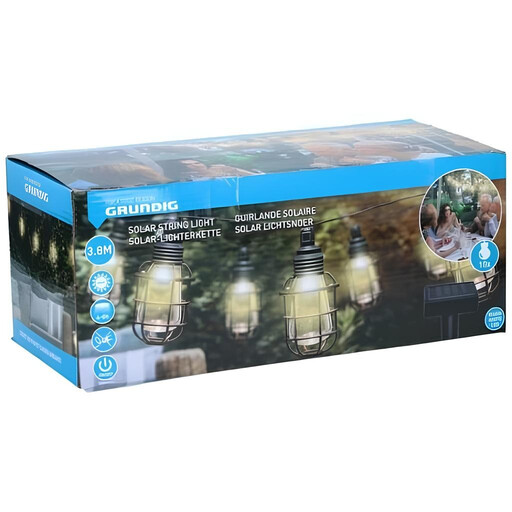
Why This Fits Their Persona: Ideal for renters or garden owners looking for hassle-free, atmospheric garden decor lighting. No power outlet, no cables, no complicated installation—just hang them up and place the solar panel in the sun. Perfect for parties or as permanent decoration on pergolas and fences.
Completely avoids installation hassle (Pitfall 3). As a solar product designed for decorative ambient light, it sets realistic expectations for brightness, avoiding the performance trap (Pitfall 2).
Automatic operation via light sensor; weather-resistant design for outdoor use; no running costs thanks to solar power.
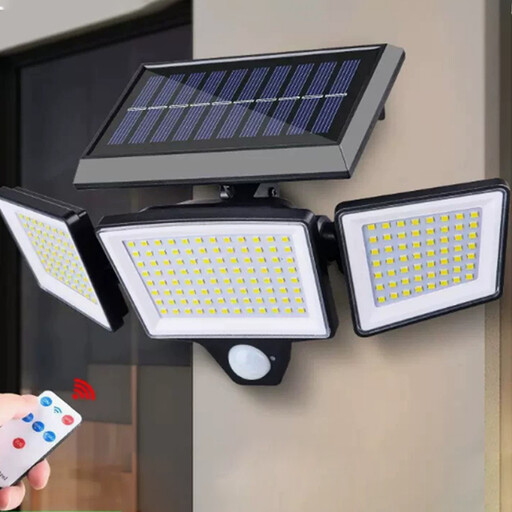
Why This Fits Their Persona: For homeowners who want to reliably illuminate driveways, garages, or dark corners of the garden. This outdoor floodlight with a motion sensor combines high brightness with the flexibility of solar technology. The three adjustable heads allow for wide and targeted illumination.
The high IP65 rating makes it impervious to heavy rain (Pitfall 1). The combination of 302 LEDs and a high-performance solar panel with a 25% conversion rate (according to the manufacturer) addresses the pitfall of weak solar performance (Pitfall 2).
Very high brightness (3000 lumens); wide motion detection range; three adjustable lighting modes for different security needs.
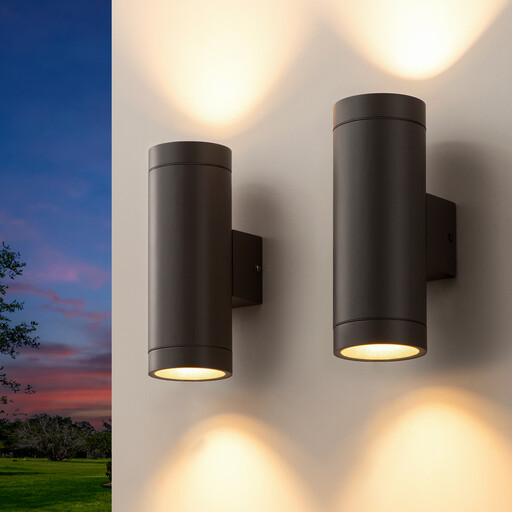
Why This Fits Their Persona: For anyone who prioritizes aesthetics and wants to enhance their home's facade, patio lighting, or balcony lighting with modern accents. The up-and-down light effect creates stylish, glare-free indirect illumination. The robust aluminum housing underscores its premium quality.
The IP44 rating is clearly stated and sufficient for its intended use on a wall (Pitfall 1). As a hardwired light, it's clearly communicated from the outset that professional installation is required (Pitfall 3).
High-quality, rustproof aluminum housing; modern up-and-down light effect; bulbs (GU10) are replaceable, which increases the product's lifespan.
We've compiled a complete, up-to-date list of products that fully meet these strict selection criteria and rigorous safety standards.
For lights that are exposed to the elements without cover, such as path lights or spotlights on the lawn, a minimum of IP65 is recommended. This ensures protection against water jets from all directions. For lights under an eave or on a sheltered balcony wall, IP44 (protection against splashing water) is generally sufficient.
The runtime of solar lights is significantly reduced in winter. Shorter days, fewer hours of sunlight, and a lower sun angle decrease the battery's charge. A high-quality solar light for the garden might run for 8-10 hours on a full charge in the summer, but this often drops to 2-4 hours or less in the winter, depending on weather conditions and product quality.
The installation of a hardwired outdoor LED wall light (230V) must be performed by a qualified electrician. For safety and insurance reasons, DIY work on your home's main electrical system is not permitted. However, you can install solar or battery-powered lights yourself without professional expertise.