
Lieferung heute & morgen

Qualitätsgarantie

Willkommens-Angebote freischalten: KOSTENLOSE Lieferung | Bis zu 80 % RABATT | Kostenlose 30-Tage-JoyPlus-Testphase
App herunterladen
The right outdoor lighting can transform a simple garden into a relaxing retreat, secure paths and driveways, and create stunning architectural accents. However, the market is flooded with products whose marketing promises often fall short in practice. Incorrect claims about weather resistance or exaggerated expectations for solar light performance can quickly lead to disappointment and unnecessary expense. This guide will help you identify the crucial features and make an informed choice for your needs.
Before you invest, you should be aware of three common problems that often only become apparent after the purchase:
To avoid these pitfalls, focus on three core technical features. These determine the longevity, functionality, and safety of your new garden lighting.
The IP (Ingress Protection) rating is a two-digit code that indicates how well an electrical device is protected against the ingress of foreign objects (first digit) and water (second digit). For outdoor lighting, the following values are relevant:
Always check that the IP rating is appropriate for the intended installation location. A light advertised as waterproof should have at least an IP65 rating if it will be directly exposed to the weather.
The choice of power source depends on the location and your desired level of convenience.
The longevity of your outdoor lighting is largely determined by its material. Powder-coated aluminum or stainless steel are superior to plastics in terms of corrosion resistance and stability. For plastic housings, look for UV resistance to prevent the material from becoming brittle and yellowing over time. A clean finish without sharp edges or improper seals is also an indicator of higher product quality.
Based on these objective criteria, we have selected a few products for typical application scenarios.
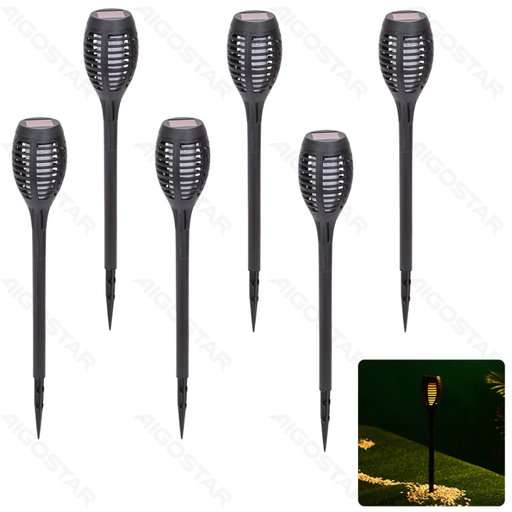
Why This Fits Their Persona: Ideal for atmospheric and wireless accent lighting for garden paths or flowerbeds. The realistic flame effect creates an inviting atmosphere with zero installation effort.
The product avoids the underperforming solar light trap with transparent specs: The charging time (4–6 hours) and runtime (8–12 hours) are clearly stated. The IP44 rating is sufficient for its intended use as a path light and isn't exaggerated as 'fully waterproof'.
Decorative flame effect for a special atmosphere. Fully solar-powered, no operating costs or wiring required.
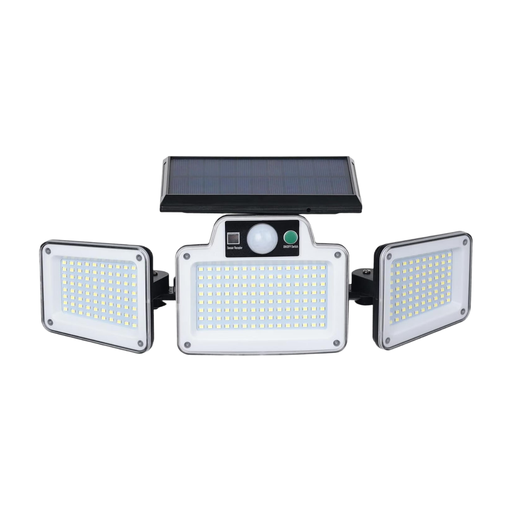
Why This Fits Their Persona: Designed for bright, on-demand illumination of driveways, garages, and yards. The three adjustable heads and motion sensor offer flexibility and enhance security.
The high IP65 rating ensures the light functions reliably even in unprotected areas. With a 2400 mAh battery and a separate solar panel on a long cord, it solves the problem of poor performance and inflexible placement common with all-in-one solar lights.
Three adjustable light heads for wide-area illumination. Three remote-selectable modes (including motion sensor mode) for customized security needs.
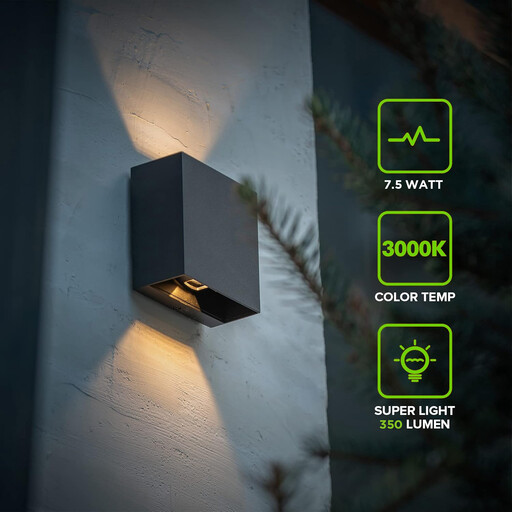
Why This Fits Their Persona: Perfect for showcasing building facades with modern up-and-down lighting effects. The high-quality material and adjustable beam angle allow for customized and durable light design.
The product description explicitly states that installation must be done by a professional electrician, thus avoiding the 'easy DIY' trap. The powder-coated aluminum housing promises high corrosion resistance and durability.
The beam angle is individually adjustable from 0 to 106 degrees. According to the manufacturer, the integrated LED technology is very durable with a lifespan of 50,000 hours.
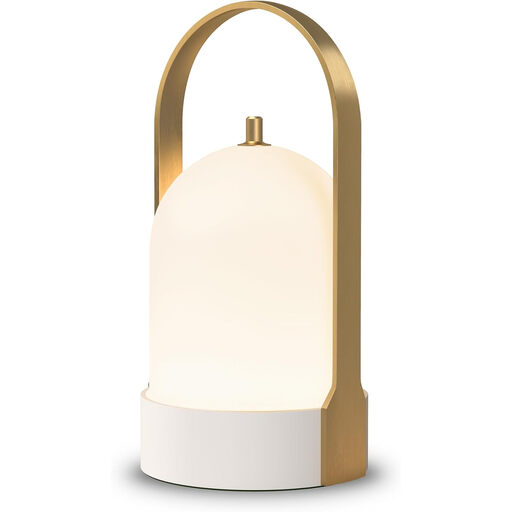
Why This Fits Their Persona: This cordless lamp is the perfect companion for cozy evenings on the patio, balcony, or while camping. Thanks to its battery operation and carrying handle, it can be used wherever atmospheric light is needed.
The IP44 certification is honestly described as 'protection against splashing water from all angles,' which is realistic for use on a table. The battery performance is quantified with a 4000 mAh battery and a runtime of up to 80 hours at minimum brightness, avoiding vague marketing claims.
Four-level touch dimming function for adjustable brightness. High flexibility due to cordless operation and an ergonomic carrying handle.
We've compiled a complete, up-to-date list of products that fully meet these strict selection criteria and safety regulations.
The IP rating indicates how well a light is protected against the ingress of foreign objects (first digit) and water (second digit). For outdoor use, IP44 (protection against splashing water) is the minimum for sheltered areas. For unprotected areas exposed to rain and snow, a higher rating like IP65 or IP66 is recommended.
The runtime of solar lights in winter depends heavily on sun exposure, the efficiency of the solar panel, and the battery's capacity. On short, cloudy days, the runtime can be significantly shorter than in summer. Models with large, high-quality panels and high-capacity batteries (e.g., over 1200 mAh) offer more reliable performance.
That depends on the type of light. You can typically install solar, rechargeable, or battery-operated outdoor string lights yourself. However, lights that require a hardwired connection to the 230-volt mains supply must be installed by a qualified electrician for safety and insurance reasons.