
Lieferung heute & morgen

Qualitätsgarantie

Willkommens-Angebote freischalten: KOSTENLOSE Lieferung | Bis zu 80 % RABATT | Kostenlose 30-Tage-JoyPlus-Testphase
App herunterladen
Outdoor lights should reliably illuminate paths, entrances, patios, or façades while matching the existing power connection and intended location. In practice, however, poor purchases are caused by more than just price and design. Ingress protection, light output, and power supply are often given too little consideration.
This selection guide from the Joybuy Product Recommendation Officer explains what homeowners, tenants with outdoor areas, garden owners, and smart home users in Germany should look for.
Wattage initially describes only power consumption. The luminous flux in lumens determines the actual brightness. Depending on its design and lighting technology, a 10-watt LED outdoor light can produce different amounts of light. When choosing, lumens, beam angle, and mounting height should therefore be considered together.
For an entrance area, uniform illumination is generally more useful than an extremely narrow, intense beam. An LED garden spotlight, on the other hand, is better suited to highlighting individual trees, flowerbeds, or façades.
Marketing claims such as “suitable for all weather conditions” are less informative than the IP rating. IP44 outdoor lights are protected against solid foreign objects measuring 1 millimetre or more and against splashing water. They are suitable, for example, for sheltered entrances, covered patios, or protected façade areas.
IP65 garden spotlights additionally offer complete protection against dust and protection against water jets from various directions. They are better suited to more exposed locations. However, IP65 does not mean that the light may be submerged. Cable connections, sockets, and junction boxes also require an appropriate level of protection.
Solar garden lights require sufficient direct sunlight. Shade from buildings, trees, or canopies reduces charging performance. During short winter days, operating time may change significantly. Battery-powered and USB lights offer greater flexibility but need to be recharged regularly.
A permanently connected outdoor light is more suitable when consistently scheduled illumination is required. In Germany, connecting to 220–240 volts should be carried out by a qualified electrician.
Warm white light around 2700 to 3000 kelvin creates a subtle atmosphere in living areas and on patios. Neutral white or daylight white light from around 4000 kelvin provides higher-contrast illumination for garages, courtyards, and work areas. Coloured light is primarily an additional feature in smart garden lighting and should not be confused with functional brightness.
Dimmable outdoor lights require a compatible LED dimmer. With integrated LED modules, the dimmer is not always included. For smart home users, the protocol, app, Wi-Fi frequency, and compatibility are crucial. According to the product specifications, the Hama garden light supports Matter, Wi-Fi, app control, and voice control. The extension light, however, is intended for use only with the corresponding base light.
Aluminium, steel, plastic, glass, and protective coatings affect weight, appearance, and maintenance requirements. An ingress protection rating does not automatically prevent wear caused by dirt, road salt, or standing moisture. Lights should be switched off and cleaned with a soft, dry, or slightly damp cloth, provided this is permitted by the manufacturer’s instructions.
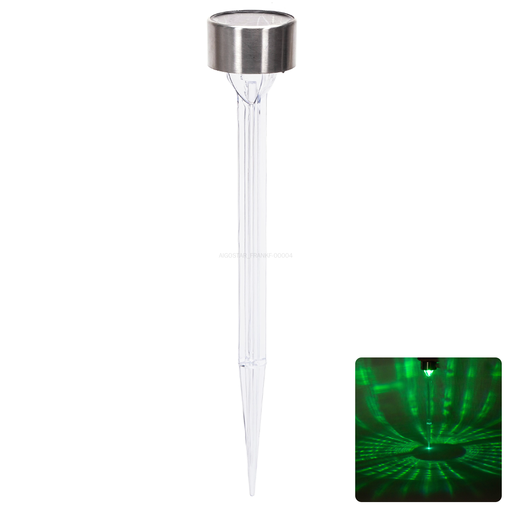
Why it is a good fit: This solar light can be positioned along paths or in flowerbeds without a permanent power connection.
The specifications state a charging time of 4 to 6 hours, a quoted operating time of 8 to 12 hours, and IP44 protection. A location with direct sunlight remains essential, however.
Ground-stake installation, RGB lighting, Ni-MH battery, and automatic dusk activation according to the product specifications.
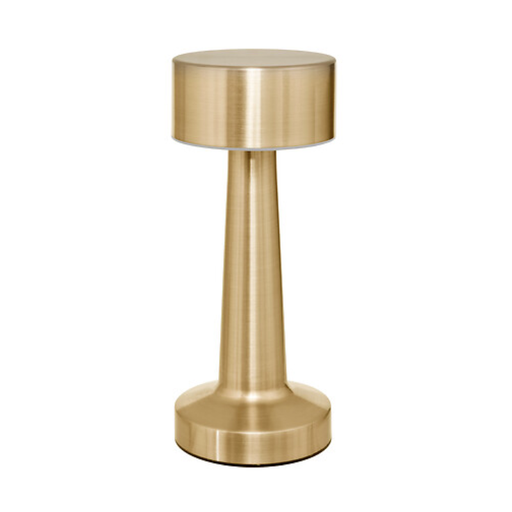
Why it is a good fit: This compact rechargeable light is designed for balconies, tables, patios, and flexible seating areas.
There is no unsuitable permanent connection to restrict changing seating arrangements. Before purchasing, however, check whether a USB charging cable and power adapter are included.
21.5 cm height, 9 cm diameter, steel housing, and an integrated 18650 lithium-ion battery.
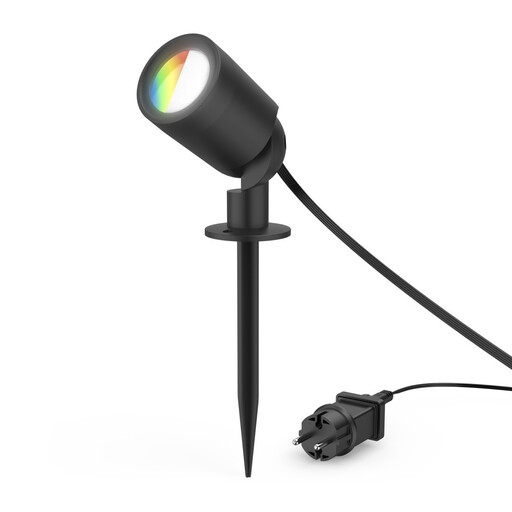
Why it is a good fit: For users who want to manage colours, schedules, and dimming via app or voice control.
Matter compatibility and IP65 protection are clearly specified. Setup requires 2.4 GHz Wi-Fi and a 220-volt connection.
16 million colours, stepless dimming, adjustable light head, and installation with either a ground stake or base.
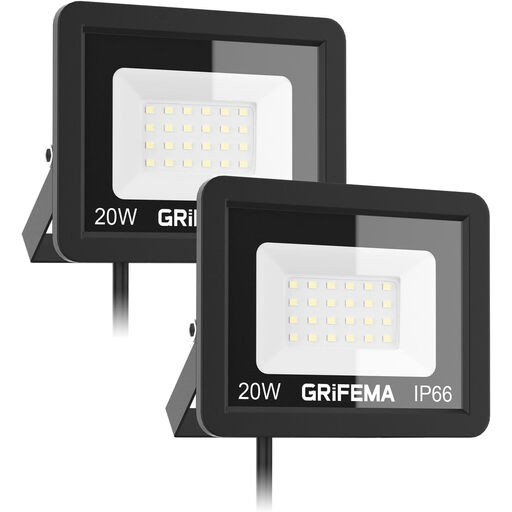
Why it is a good fit: Two spotlights delivering a combined 2200 lumens are designed for garages, courtyards, gardens, and outdoor work areas.
IP66 protection, 6500 kelvin, and an adjustable bracket are specified. Electrical connections must nevertheless be protected against moisture.
20 watts per spotlight, a 180-degree bracket, and wall, ceiling, or ground mounting according to the product description.
We have compiled a complete, up-to-date selection of products that can be compared for outdoor use based on these selection criteria.
For sheltered areas, IP44 may be sufficient. For freestanding lights, garden spotlights, and exposed façade areas, IP65 provides greater protection against dust and water jets. Suitability also depends on the installation, connection, and location.
The cost depends on wattage, daily operating time, and the electricity tariff. A 10-watt light operated for five hours per day consumes 0.05 kilowatt-hours daily. For an exact calculation, multiply this figure by your electricity rate per kilowatt-hour. Integrated LEDs can reduce the need for bulb replacements, although they cannot be replaced in some models.
No. The dimmer must be suitable for LED lights and for the specific bulb or LED module. With permanently integrated LEDs, check the manufacturer’s specifications. Installation and connection of hard-wired models should be carried out by a qualified electrician.