
Lieferung heute & morgen

Qualitätsgarantie

Willkommens-Angebote freischalten: KOSTENLOSE Lieferung | Bis zu 80 % RABATT | Kostenlose 30-Tage-JoyPlus-Testphase
App herunterladen
The right outdoor lighting enhances any garden, patio, or balcony. It creates atmosphere, increases security, and extends the usability of outdoor spaces into the evening hours. However, the selection is vast, and not every product lives up to its advertising promises. Certain defects cause lights to fail after just a few months or not perform their function. This guide focuses on the critical points that determine longevity and utility.
Before we turn to the solutions, it's important to understand the most common problems that lead to poor purchasing decisions:
outdoor solar lights is often based on ideal conditions with maximum sun exposure. During the months with less daylight, the actual runtime can drop drastically, making the light useless when it's needed most.To avoid these pitfalls, you should check three key technical parameters. These determine the functionality and longevity of your garden lighting.
The IP (Ingress Protection) rating is a two-digit code that indicates how well a light is protected against the ingress of foreign objects (first digit) and water (second digit). For weatherproof outdoor lights, the following values are relevant:
The choice of power source depends directly on the installation location and the desired purpose.
LED outdoor wall light at the entrance or for permanent illumination of paths. Installation usually requires a professional but is a long-term solution. A modern outdoor wall light with a mains connection is often the first choice for security-relevant areas.Outdoor solar lights and solar path lights are eco-friendly and flexible, as no cables need to be laid. However, performance depends on the weather and the orientation of the solar panel. Pay attention to the battery capacity (in mAh) and the quality of the panel to ensure sufficient runtime even on cloudy days.cordless outdoor table lamp or a camping lantern offers maximum flexibility for patio lighting or for portable use. Here, the specified runtime per charge and the charging time are the decisive criteria.Two values are crucial for the lighting effect:
outdoor string lights, and decorative accents.solar path lights or decorative spots.Here are some product recommendations tailored to specific use cases and the criteria mentioned above.
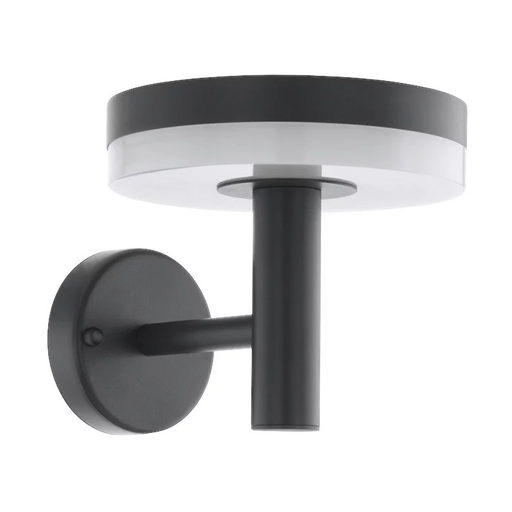
Why It's a Good Fit: Ideal for homeowners seeking reliable, low-maintenance, and bright lighting for entrances, facades, or pathways. The hardwired installation ensures consistent performance without depending on weather or battery life.
The mains connection eliminates the uncertainty of solar lights (Pitfall 2). As a dedicated LED outdoor wall light, it is designed for permanent installation, bypassing the problem of using the wrong power source (Pitfall 3). Its construction is designed for outdoor use and offers reliable weather resistance.
High Brightness: With 950 lumens and warm white light (3000 K), it provides safe yet pleasant illumination. Durable LED Module: The integrated 11W LED module is energy-efficient and requires no bulb changes.
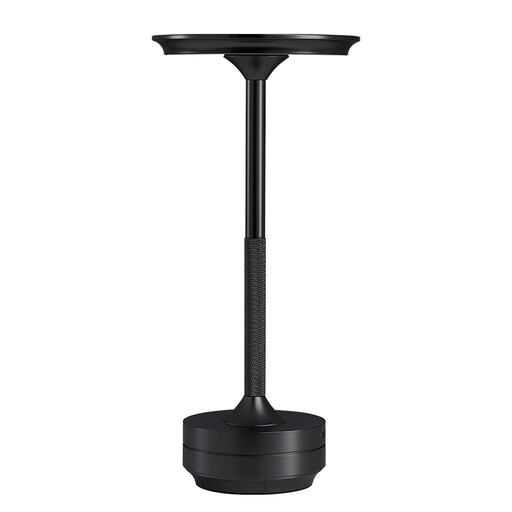
Why It's a Good Fit: Perfect for anyone wanting atmospheric and portable lighting for a balcony, patio, or garden table. No installation, no cables—simply charge it and place it anywhere.
As a cordless outdoor table lamp, it is the right power source for flexible applications (Pitfall 3). The runtime of up to 6 hours is clearly specified, which prevents unrealistic expectations (Pitfall 2). Being portable, it can easily be brought indoors during extreme weather, bypassing the issue of inadequate weather resistance.
Customisable Light: Both the brightness (0-100%) and the colour temperature (3000-6500 K) can be continuously adjusted via touch control. Dual Charging Option: Rechargeable via USB-C and additionally via an integrated solar panel for greater autonomy.
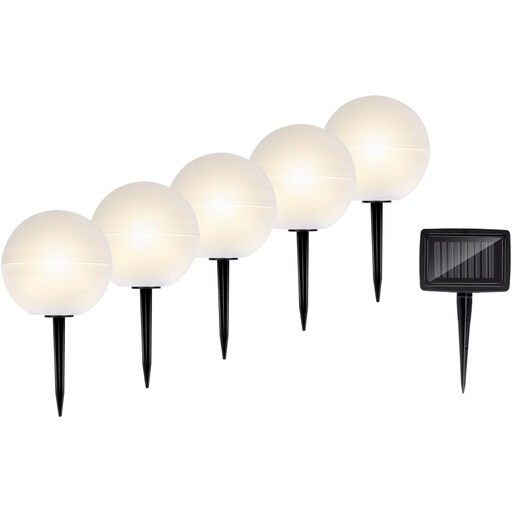
Why It's a Good Fit: A simple and wireless solution for marking paths, flowerbeds, or lawn edges. This set of five lights is powered exclusively by solar energy and switches on automatically at dusk.
These solar path lights are designed for their specific purpose, avoiding the pitfall of the wrong power source (Pitfall 3). The specified runtime of 6-8 hours is a concrete manufacturer claim that sets realistic expectations (Pitfall 2). The declared weather resistance is sufficient for its use as a path marker.
Easy Installation: Thanks to ground stakes, the lights can be placed in the ground without tools or wiring. Two Light Modes: You can choose between atmospheric warm white and an automatic RGB colour change.
We have compiled a complete, up-to-date list of products that fully meet these strict selection criteria and safety standards.
The required brightness depends on the application. The following values serve as a guide:
The IP rating indicates how well a light is protected against the ingress of dust and water. For outdoor use, two classes are particularly relevant: IP44 means "splash-proof" and is the minimum standard for covered areas. IP65 means "jet-proof" and is necessary for lights that are exposed to rain without protection. The higher the second digit, the better the protection against water.
The lifespan of an LED outdoor light depends on several factors. The LED bulb itself often has a very long life of 20,000 to 50,000 operating hours. However, the actual durability of the entire fixture is determined by the quality of the built-in components such as the driver, housing, and seals. For lights with a permanently integrated LED module, the entire unit must be replaced in case of a defect. For models with replaceable bulbs (e.g., with an E27 socket), the bulb can simply be replaced, which potentially extends the useful life of the fixture.