
Lieferung heute & morgen

Qualitätsgarantie

Willkommens-Angebote freischalten: KOSTENLOSE Lieferung | Bis zu 80 % RABATT | Kostenlose 30-Tage-JoyPlus-Testphase
App herunterladen
Thoughtful outdoor lighting can transform any exterior space into a welcoming oasis, enhance security, and highlight architectural features. However, the market is crowded, and many products fail to deliver on their promises. Before making a decision, it's crucial to understand the common pitfalls that often lead to disappointment and unnecessary expense.
As your Joybuy Product Recommendation Officer, I'm here to help you define objective criteria for your selection and distinguish marketing hype from genuine quality.
The wrong choice can mean your new lighting won't survive its first harsh winter or fails to serve its intended purpose from the start. Pay close attention to these three points:
outdoor solar lights are often equipped with low-performance solar panels and inferior batteries. The result: their runtime rapidly decreases after just a few weeks, especially during the darker months. A reliable solar light needs a sufficiently sized panel and a high-quality battery to provide several hours of light, even after an overcast day.To find the right LED garden lighting or patio lighting, focus on the following technical specifications that determine durability and functionality.
The IP (Ingress Protection) code is one of the most critical specifications. It indicates how well a fixture is protected against the ingress of solid objects (first digit) and water (second digit).
waterproof garden lamps and outdoor wall lights.The choice of power source depends directly on your intended use.
decorative outdoor lamps and outdoor LED string lights where you want to avoid running cables. They are eco-friendly and offer flexible placement. Pay attention to the specified charging and operating times. Models with high-quality panels and batteries provide reliable performance even in autumn.cordless outdoor table lamp offers maximum flexibility for cosy evenings on the patio or for camping trips. They are wireless and can be taken anywhere. Check the battery capacity (specified in mAh) for a long runtime.outdoor wall sconce for illuminating an entrance. They provide consistently high brightness and are the top choice for security lighting. Installation should be performed by a qualified professional.The lighting atmosphere is largely determined by the light colour (in Kelvin, K) and brightness (in lumens, lm).
Here are some product recommendations tailored to specific use cases, keeping the aforementioned pitfalls in mind.
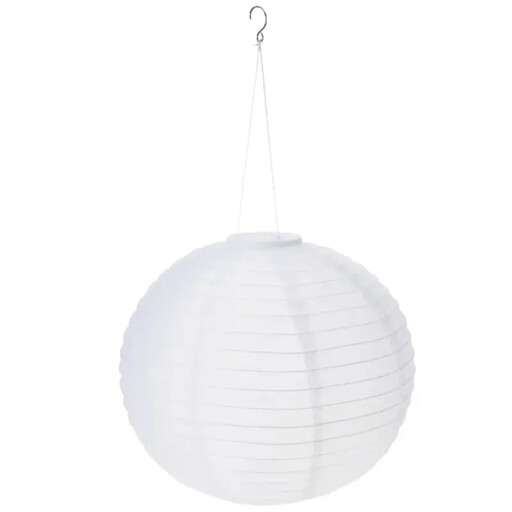
Why this product is a great fit: Ideal for anyone seeking atmospheric, eco-friendly decoration without the hassle of cables. The spherical shape acts as a simple design object during the day and creates a soft, diffused light at night—perfect for balconies or for creating accents in trees.
The integrated solar panel and battery are designed for a runtime of approximately 6 hours. The weather-resistant nylon shell is quick-drying and more robust than simple paper or thin plastic.
Fully automatic operation via a dusk-to-dawn sensor. Can be flexibly hung or placed. No power connection required.
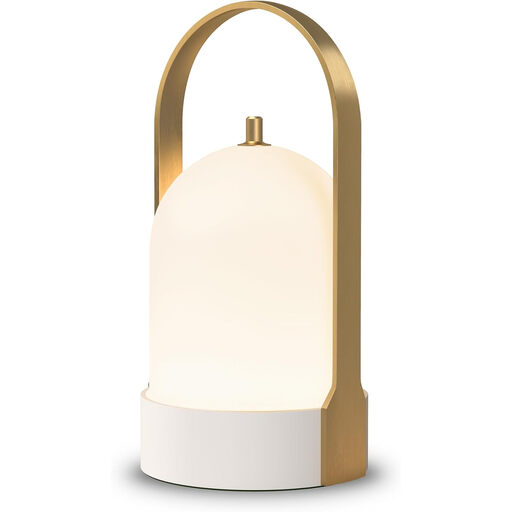
Why this product is a great fit: This battery-powered table lamp is the perfect solution for anyone who needs spontaneous, flexible light—whether on the dining table, the patio, or as a night light in a tent. Its powerful 4000 mAh battery and portable design make it independent of power outlets.
With an IP44 rating, the lamp is officially protected against splashing water, making it suitable for use on a patio table during a light drizzle. It is not designed for permanent, unprotected outdoor installation, which aligns with its flexible nature.
Long battery life (up to 80 hours on the lowest setting). 4-level touch dimming to adjust brightness. Recharges via a universal USB port.
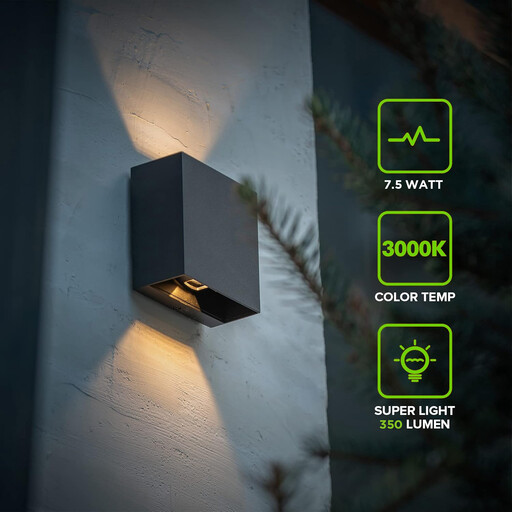
Why this product is a great fit: This mains-powered wall light is designed for homeowners who value durability, functionality, and a modern aesthetic. It is excellent for illuminating facades, entrance areas, or patio walls, providing reliable light in all weather conditions.
The powder-coated aluminium housing is corrosion-resistant and designed for permanent outdoor use. The integrated LED technology is long-lasting, so no bulb changes are necessary. Its waterproof construction is built to withstand harsh weather conditions.
Adjustable beam angle (0 to 106 degrees) for custom light effects. Energy-efficient LED technology with warm white light (3000 K). Robust and low-maintenance design.
We have compiled a complete, up-to-date list of products that fully meet these strict selection criteria and safety standards.
A light with an IP44 rating is protected against splashing water from all directions. This is sufficient for locations under an eave or on a covered balcony. For areas directly exposed to rain, snow, and melting ice, this protection level is not adequate. Moisture can penetrate and cause a short circuit or corrosion. For unprotected areas, a minimum rating of IP65 is recommended.
The lifespan of solar lights depends heavily on the quality of the solar panel, battery, and LED. High-quality models with monocrystalline solar cells and lithium-ion batteries can function reliably for several years. Cheaper models with polycrystalline panels and Ni-MH batteries often show a significantly reduced runtime after just one season, especially after a cold winter that impairs battery performance.
Warm white light (under 3,300 Kelvin) has a yellowish hue and is perceived as cosy and inviting. It is excellent for seating areas, patios, and illuminating plants, as it enhances their natural colours. Cool white light (over 5,300 Kelvin) has a bluish tint and appears functional and modern. It offers high contrast perception and is therefore often used for functional areas like driveways, garages, or for security lighting.