
Lieferung heute & morgen

Qualitätsgarantie

Willkommens-Angebote freischalten: KOSTENLOSE Lieferung | Bis zu 80 % RABATT | Kostenlose 30-Tage-JoyPlus-Testphase
App herunterladen
By Joybuy Product Recommendation Officer, July 28, 2026
Choosing the right outdoor lighting can transform a garden or patio, enhance security, and illuminate pathways. However, the market is filled with products that often fail to live up to their claims. Many homeowners invest in lights that break after just one winter or are disappointed by their low light output. Before you make a decision, it's crucial to understand the most common pitfalls to find a durable and functional solution.
This guide focuses on the critical technical specifications to help you evaluate products based on objective criteria.
An impulse purchase often leads to frustration and additional costs. Pay close attention to these three points to avoid making a poor investment:
To find the right garden lighting or patio lighting, you should focus on verifiable technical data. These three parameters are crucial for the longevity and functionality of your lights.
The IP (Ingress Protection) rating indicates how well a light is protected against the entry of solid objects (first digit) and water (second digit). For outdoor use, the following values are relevant:
The choice of power supply depends on the location and your desired level of convenience.
These two values are key to defining the light's effect:
Based on these objective criteria, we have curated a few products for different needs.
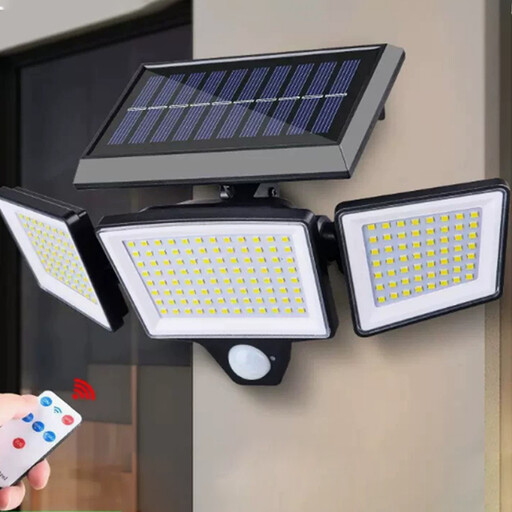
Why it's a great fit: Ideal for illuminating driveways, gardens, or entryways without a mains connection. The motion sensor provides light exactly when it's needed, which enhances security and saves energy.
The IP65 certification ensures protection against heavy rain. The solar panel is designed for efficiency to charge even in less-than-ideal light conditions, and the 3000-lumen brightness is a clearly defined value.
Three adjustable heads allow for a wide 270-degree illumination angle. The motion sensor detects movement over a wide area.
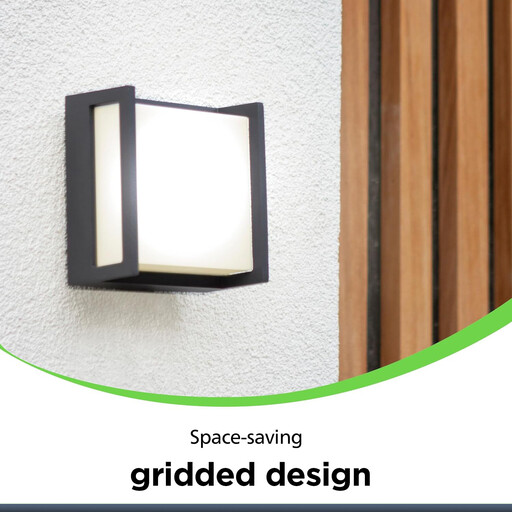
Why it's a great fit: A reliable, mains-powered wall light for an entryway, hallway, or balcony. Its compact design and robust construction make it a durable solution for primary lighting.
The powder-coated aluminium housing is corrosion-resistant and more durable than plastic. The IP54 rating provides solid protection against dust and splashing water, which is sufficient for wall mounting.
The light delivers a pleasant yet bright illumination with 800 lumens and 3000K warm white light. Thanks to mains power, its performance is consistent and reliable.
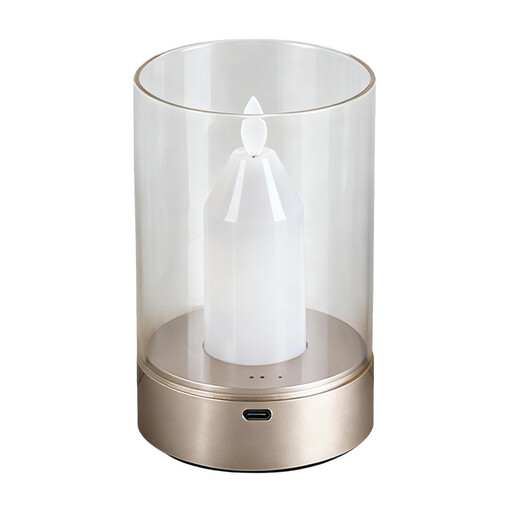
Why it's a great fit: This battery-powered table lamp creates a cosy, candle-like atmosphere on a balcony or patio. It's portable, safe, and ideal for social evenings outdoors.
As a cordless outdoor lamp, it is independent of sunlight or power outlets. Its weather-resistant construction makes it suitable for outdoor use, and the LED technology simulates a flame without any fire hazard.
The stepless dimming function via touch control allows for precise brightness adjustment. The 1800 mAh battery provides a runtime of 8 to 10 hours.
We have compiled a complete, up-to-date list of products that fully meet these strict selection criteria and all relevant safety standards.
1. What does the IP rating mean for outdoor lights? The IP rating indicates how well a light is protected against the entry of solid objects (first digit) and water (second digit). For outdoor use, a minimum of IP44 (protection against splashing water) is recommended. For areas exposed to heavy rain, IP65 (protection against water jets) offers greater security.
2. How long do solar lights last in the winter? The runtime of solar lights is shorter in winter than in summer because the days are shorter and there is less sunlight. The actual duration depends on the quality of the solar panel, the battery capacity, and the location. Models with larger, more efficient panels and powerful batteries can still last for several hours in winter, while basic models may only provide light for a short time.
3. Which light colour (Kelvin) is suitable for outdoor areas? The choice of light colour depends on the intended purpose. Warm white (approx. 2700–3000 K) creates a cosy and inviting atmosphere, making it well-suited for patios, balconies, and seating areas. Neutral white (approx. 4000 K) is a good choice for functional areas like home entrances or garages, as it provides clear visibility without being too harsh. Cool white (over 5000 K) is often used for security lighting because it offers very bright, daylight-like illumination.