
Lieferung heute & morgen

Qualitätsgarantie

Willkommens-Angebote freischalten: KOSTENLOSE Lieferung | Bis zu 80 % RABATT | Kostenlose 30-Tage-JoyPlus-Testphase
App herunterladen
The right outdoor lighting transforms gardens, patios, and balconies into functional and atmospheric oases. But the selection is vast, and not every product delivers on its promise. Many buyers invest in lights that fail after the first winter or whose light output is disappointing. This guide helps you navigate the typical pitfalls and find a lighting solution tailored to your needs.
As your Joybuy Product Recommendation Officer, I'll filter the essential information for you, so you can make an informed decision—free from exaggerated marketing claims.
Before you make a decision, you should be aware of the most common issues that lead to disappointment and unnecessary expense.
To avoid these traps, focus on three objective technical parameters. These determine the durability, functionality, and reliability of your new outdoor lighting.
The IP (Ingress Protection) rating is the most important indicator of a light's resistance to solid particles (first digit) and water (second digit). For outdoor use, the following classes are relevant:
The choice of power supply depends on the location and your desired level of convenience.
Modern outdoor lights almost exclusively use LED technology. Here are the key metrics:
Here are some product recommendations tailored to specific use cases that meet the quality criteria mentioned.
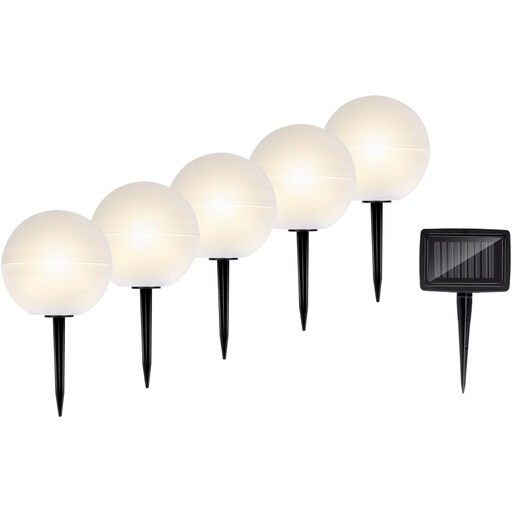
Why it's a good fit: Ideal for anyone looking to add decorative accents to their garden or balcony without hassle or electricity costs. The simple ground stake installation makes them ready to use immediately.
Sidesteps the solar trap by being a set designed for decorative purposes. The automatic dusk-to-dawn sensor ensures effortless operation, so you don't have to worry about weak performance for critical lighting.
Offers flexibility with two light modes (warm white or RGB colour change) and comes as a convenient 5-pack.
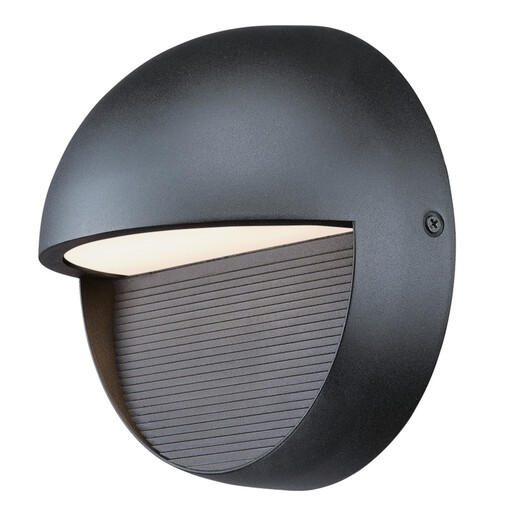
Why it's a good fit: A robust, permanently installed solution for homeowners who value durability, security, and a high-end aesthetic. The mains connection guarantees reliable performance in all weather.
Avoids the pitfall of inadequate weather resistance with a solid construction and an IP44 rating, designed for sheltered exterior walls. The fixed power connection eliminates the unreliability of solar lights.
The light features an integrated 10W LED module and is dimmable with an external switch, allowing for flexible adjustment of the lighting mood.
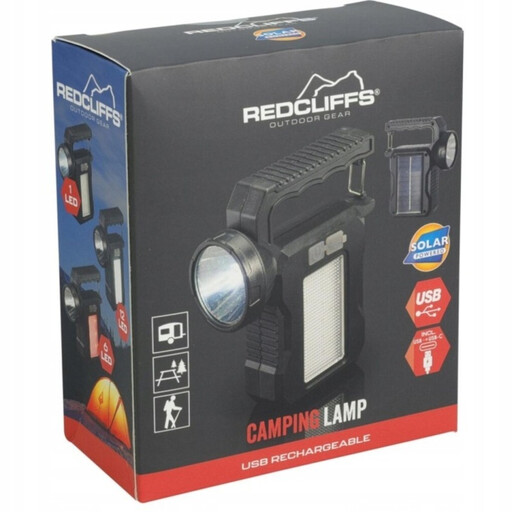
Why it's a good fit: The perfect mobile light source for camping, hiking, or as an emergency light in your car or home. Its dual charging function makes it independent of a single power source.
Solves the problem of dependency on a single power source. If the sun isn't shining, the lamp can simply be charged via USB-C. Its lightweight and compact design makes it a practical companion.
Combines two light sources (a 150-lumen spotlight and an 80-lumen side light) with an additional red light mode for night vision. The IP44 rating makes it splash-proof.
We have compiled a complete, up-to-date list of products that fully meet these strict selection criteria and rigorous safety standards.
The reliability of solar lights in winter heavily depends on the quality of the solar panel, battery capacity, and location. Shorter days and frequent cloud cover significantly reduce charging performance, leading to shorter runtimes. They may suffice for purely decorative purposes, but you shouldn't rely solely on solar power for security-critical lighting in winter.
The IP rating indicates how well a light is protected against the ingress of dust and water. For a covered balcony or patio, IP44 (protection against splashing water) is usually sufficient. For areas exposed to rain without protection, such as on a house wall or in the garden, IP65 (protection against water jets) or higher is recommended.
For safety and insurance reasons, the installation of lights connected to the 230-volt mains power supply must always be carried out by a qualified electrician. However, you can easily install solar and battery-powered lights that do not require fixed wiring yourself.