
Lieferung heute & morgen

Qualitätsgarantie

Willkommens-Angebote freischalten: KOSTENLOSE Lieferung | Bis zu 80 % RABATT | Kostenlose 30-Tage-JoyPlus-Testphase
App herunterladen
The right outdoor lighting transforms a garden, patio, or balcony from an unused area into an inviting and secure space. But the selection is vast, and not every product lives up to its promise. Many buyers invest in lights that fail after the first winter or whose lighting effect is a letdown. This guide will help you navigate common pitfalls and find a lighting solution that is both functional and durable.
Before you make a decision, you should be aware of the most common issues that lead to disappointment and unnecessary expense.
To avoid these mistakes, focus on a few core technical specifications. These will give you an objective basis for your purchasing decision.
The IP (Ingress Protection) rating is an international standard that indicates how well an electrical device is protected against the ingress of foreign objects (first digit) and water (second digit). For weatherproof outdoor lamps, the following values are relevant:
The choice of power source depends on installation possibilities and the intended location.
Two values are crucial for the lighting effect:
Here are some product suggestions tailored to specific use cases that meet the quality criteria mentioned above.
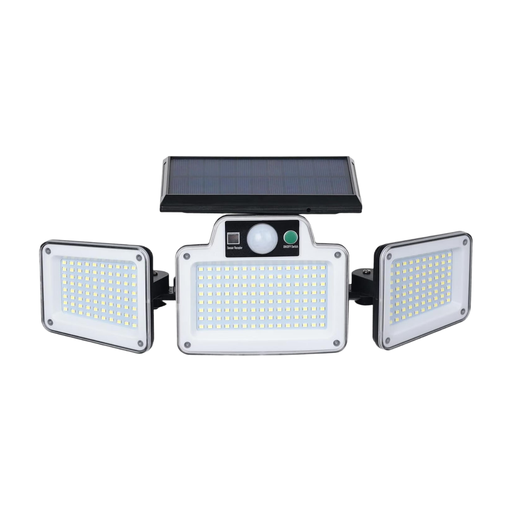
Why it's a great fit: Ideal for illuminating driveways, garages, or dark corners of the garden without any wiring. The motion sensor provides light exactly when it's needed, enhancing security and saving energy.
Thanks to a large solar panel and a 2400 mAh battery, it bypasses the pitfall of inefficient solar technology. The IP65 rating ensures the light can withstand heavy rain.
Three flexible, adjustable light heads allow for wide and targeted illumination. The various modes can be conveniently controlled via remote.
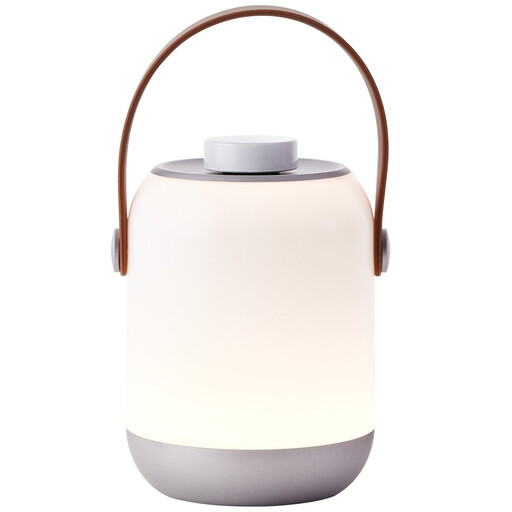
Why it's a great fit: This portable table lamp is perfect for creating a cosy atmosphere on a balcony or patio. Being cordless, it can be flexibly placed on a dining table, a side table, or even on the floor.
At 3000 K, the lamp provides a pleasant warm white light instead of a harsh, cold glare. The IP44 rating is designed for use on covered patios and balconies, offering reliable protection against splashing water.
The dimming function allows for precise adjustment of brightness to suit the desired mood. Its battery operation offers maximum freedom in placement.
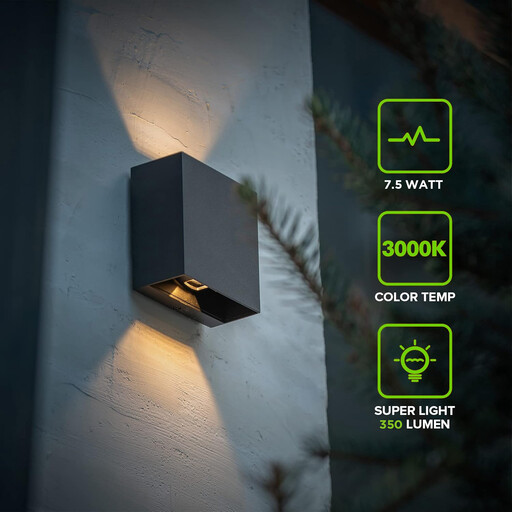
Why it's a great fit: This Up & Down wall light elegantly showcases modern building fa?ades with stylish cones of light. It's ideal for anyone who values architectural accents and a premium appearance.
The powder-coated aluminium housing is corrosion-resistant and durable, unlike cheap plastic models. Its water resistance ensures reliable operation in all weather.
The beam angle can be individually adjusted from 0 to 106 degrees. This allows for completely personalised light design on your fa?ade.
We've compiled a complete, up-to-date list of products that fully meet these strict selection criteria and safety standards.
It depends on the purpose. For gentle path lighting or decorative accents, 100 to 300 lumens are sufficient. To illuminate a patio for social evenings, 200 to 500 lumens is ideal. For security at driveways, entrances, or garages, you should choose lights with 800 to 2000 lumens or more to ensure broad and bright illumination.
The IP rating indicates how resistant a light is to the ingress of foreign objects (first digit) and water (second digit). For outdoor use, a minimum of IP44 (protection against splashing water) is recommended, for example, for covered areas. For lights directly exposed to rain, IP65 (protection against water jets) or higher provides the necessary safety.
Yes, but their performance is limited. High-quality solar lights for the garden with large, efficient solar panels and powerful batteries will work even during the winter months. However, the runtime is significantly reduced due to shorter days and less sun exposure. A south-facing, unobstructed position for the panel is crucial to maximise charging performance.