
Lieferung heute & morgen

Qualitätsgarantie

Willkommens-Angebote freischalten: KOSTENLOSE Lieferung | Bis zu 80 % RABATT | Kostenlose 30-Tage-JoyPlus-Testphase
App herunterladen
The right outdoor lighting not only enhances your garden, patio, or balcony but also increases safety. However, the market can be overwhelming, and many products fail to deliver on their promises. Before you make a decision, it's crucial to understand the common pitfalls to avoid a bad investment. This guide will help you identify functional and durable lighting solutions.
Many buyers are swayed by appealing product photos or marketing claims that prove inadequate in practice. Pay close attention to the following three points:
To make an informed purchasing decision, you should check three core technical parameters. These provide objective information about a light's suitability and quality.
The IP (Ingress Protection) rating is an international standard that indicates how well an enclosure is protected against the ingress of solid objects (first digit) and water (second digit).
The choice of power source determines flexibility and installation effort.
These two values determine the effect of the light.
Based on the criteria above, we have selected a few products for specific user profiles.
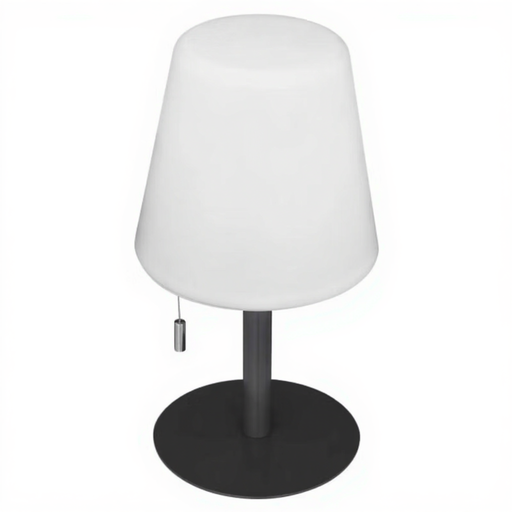
Why This Fits Their Persona: Ideal for users looking for atmospheric and portable lighting for a balcony, patio, or garden party. Its cordless flexibility allows you to place light accents exactly where they are needed, without being dependent on power outlets.
With its IP44 rating, the light is explicitly protected against splashing water, making it suitable for sheltered outdoor use. The integrated battery, with up to 10 hours of runtime (according to the manufacturer), provides reliable performance for an entire evening.
Three different light modes (multi-colour, flame effect, white light) offer versatility. USB charging makes it independent of disposable batteries.
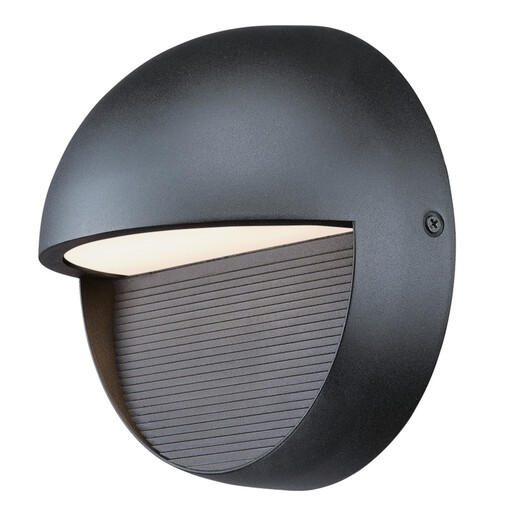
Why This Fits Their Persona: Perfect for homeowners seeking durable, reliable, and stylish lighting for entryways, facades, or patio walls. The focus is on longevity and functional security.
The housing, with its textured black finish and opal glass, is robust. The IP44 rating ensures the light is suitable for outdoor use and will not be damaged by splashing water. As a hardwired light, the problem of unreliable batteries is eliminated.
The integrated 10-watt LED is energy-efficient. The light is compatible with an external dimmer (not included), allowing for flexible brightness adjustment.
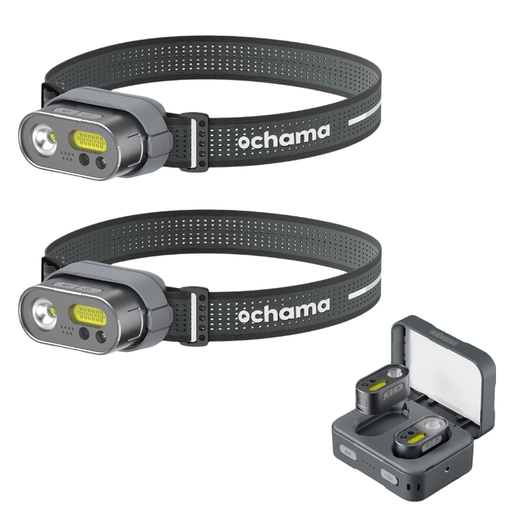
Why This Fits Their Persona: For campers, hikers, and anyone who needs reliable, hands-free lighting. The set is designed for mobility and functionality, with a charging case that keeps the lamps ready to use on the go.
This set solves the problem of unreliable batteries with a well-designed charging system. The included charging case and Type-C cable ensure simple, standardised charging, even from a power bank.
Gesture control allows for touchless operation, which is practical when wearing gloves or have dirty hands. The set includes two lamps, a base, and a charging case for maximum flexibility.
We have compiled a complete, real-time list of products that fully satisfy these strict selection criteria and UK safety regulations.
1. What does the IP rating mean for outdoor lights? The IP rating indicates how well a light is protected against the ingress of solid objects (first digit) and water (second digit). For outdoor use, IP44 (protection against splashing water) is the minimum for sheltered areas. For exposed locations subject to rain and dirt, IP65 or higher is recommended.
2. How do I choose the right brightness (lumens) for my garden lighting? The lumen value should match the purpose. For a decorative outdoor string light or ambient mood lighting, low lumen values (under 100 lm) are often sufficient. For path lighting, 100–300 lm per light is a good guideline. To illuminate a patio or seating area, you should consider lights with 400 lm or more.
3. Are solar lights suitable for winter? The performance of outdoor solar lights has improved, but it remains a challenge in winter. Models with large, efficient solar panels and high-quality batteries can function even with fewer hours of sunlight, but often with reduced runtime or brightness. For year-round reliable lighting, they are better suited as a supplement or for decorative purposes. For security-critical areas, a mains- or battery-powered solution is often the more dependable choice.