
Lieferung heute & morgen

Qualitätsgarantie

Willkommens-Angebote freischalten: KOSTENLOSE Lieferung | Bis zu 80 % RABATT | Kostenlose 30-Tage-JoyPlus-Testphase
App herunterladen
Outdoor lights need to be versatile, withstand rain and suit the situation at hand. In practice, however, unclear specifications and unsuitable designs can quickly lead to a poor purchase. A decorative fairy light for outdoors, for example, isn't automatically suitable as security lighting. A rechargeable outdoor light can be practical, but it needs regular charging. And a light described as "waterproof" isn't necessarily designed for continuous submersion.
This buying guide explains which technical specifications are relevant for outdoor lights and which models suit different usage scenarios.
The IP rating describes protection against solid objects and water. IP44, for example, means protection against solid particles larger than 1 millimetre and against splashing water from any direction. This may be sufficient for a sheltered patio or balcony, but it doesn't replace protection against heavy rain, standing water or submersion.
For more demanding conditions, a higher protection rating such as IP67 or IP68 is relevant. Even so, you should follow the manufacturer's instructions and keep charging ports completely dry before charging.
The lumen rating describes the total light output, not automatically the range. A decorative table lamp can create a pleasant atmosphere with relatively low brightness. A LED torch, on the other hand, focuses its light more tightly and can therefore shine further.
For paths, work areas or emergencies, the beam angle, light range and available operating modes are just as important as lumens. For a cosy seating area on a balcony or patio, light colour and dimming function often play a bigger role.
A battery-operated light is ready to use immediately, but incurs ongoing costs for replacement batteries. A USB outdoor light or rechargeable outdoor light can be charged via a mains adapter, power bank or vehicle charger, but needs a regular power supply.
So check before you buy:
For a covered outdoor area, IP44 can be a suitable benchmark. For freestanding lights in the garden or in changeable weather, the protection rating should be higher. The construction is also crucial: seals, protected connections and a stable base all affect everyday usability.
For permanently installed outdoor lighting, such as a wall light or spotlight, you must consider the installation instructions, mains voltage and local installation requirements. Work on the household electrical installation should be carried out by a qualified professional.
Warm white light around 3000 Kelvin feels subtle in most living areas and on patios. Neutral or cool white light can provide a more functional illumination for paths, garages and work surfaces. Models with stepless dimming or adjustable colour temperature can be adapted more flexibly to different situations.
Also pay attention to the controls: a simple push button is practical for a camping light or emergency light. Touch controls, multiple modes and a memory function can offer extra convenience for decorative lights.
A portable garden light should be light enough to move around yet stable enough to stand securely. Aluminium can provide a durable casing for torches and robust lights. Plastic models are often lighter and suit decorative applications.
For a string of lights, the total length, spacing of the LEDs, fixing options and cable routing also matter. The specification "50 LEDs" alone says nothing about the lighting effect; the distance between the light points and the available programmes are also relevant.
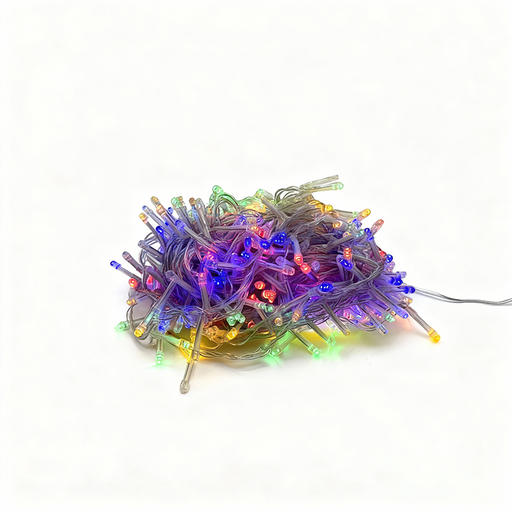
Why this product suits the profile: This battery-operated string of lights is ideal for balcony, garden, party decoration or camping without a fixed mains connection.
The IP44 rating is realistically classified as splash-proof. Also, the three AA batteries required are not included and need to be budgeted for separately.
50 multi-coloured LEDs, 4.3 metres total length and eight lighting functions with memory function.
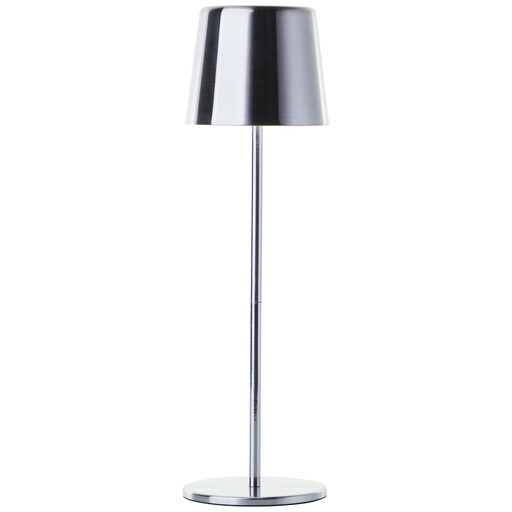
Why this product suits the profile: This USB outdoor light combines a sturdier table lamp design with adjustable light colour and dimmable controls for patio, balcony or indoors.
The IP44 protection rating is not equated with full weather resistance. For outdoor use, the light should be placed where it is protected from persistent heavy rain and standing water.
USB connection, integrated LED, touch dimmer and adjustable colour temperature from 3000 to 6500 Kelvin.
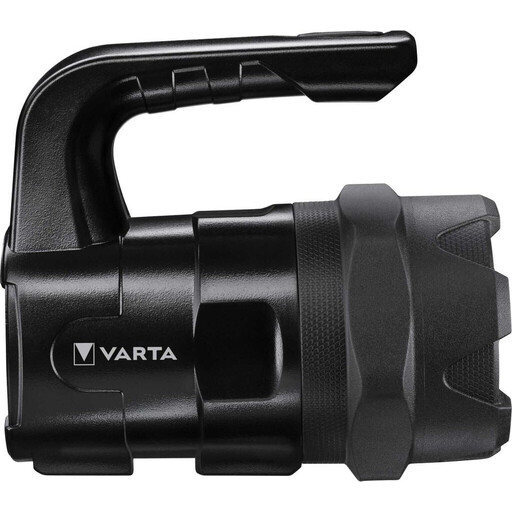
Why this product suits the profile: This robust LED torch is designed for camping, outdoor work and emergency situations where durability matters more than decorative design.
The IP67 protection rating and stated impact resistance provide concrete technical benchmarks rather than a vague claim like "suitable for all weather".
400 lumens, a stated beam range of up to 400 metres, two light modes and six included AA batteries.
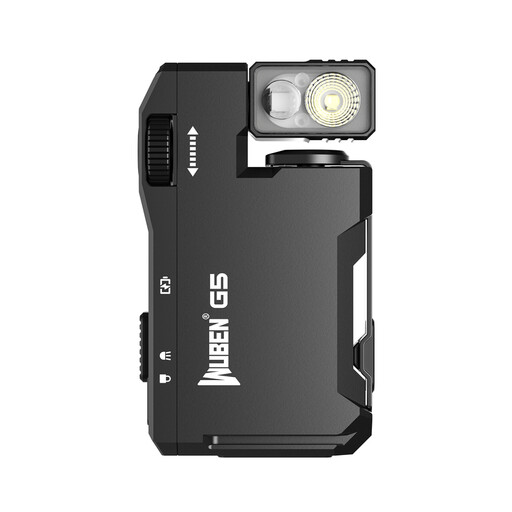
Why this product suits the profile: For camping, hiking, car kits and emergency sets, this compact light offers a rechargeable solution without the need to regularly buy replacement batteries.
The IP68 rating and USB-C port are clearly stated. The port must be dry before charging; the light should not be shone directly into eyes.
1200 lumens, up to 93 metres beam range, six modes and built-in rechargeable battery with USB-C charging.
We've put together a full, regularly updated list of products that fully meet these strict selection criteria and the safety regulations in force in the EU.
For balcony and patio, decorative table lights, a portable garden light or a string of lights are all options. In covered areas, IP44 may be sufficient, provided the light is not permanently exposed to rain or standing water. For flexible placement, rechargeable or USB models are practical.
The run time depends on the battery type, brightness, operating mode and construction. A high lumen rating does not automatically mean a long usage time. So check the run time stated by the manufacturer and factor in the cost of replacement batteries for frequent use.
The USB connection alone says nothing about suitability for outdoor use. What matters is the stated protection rating and the manufacturer's instructions. With a USB outdoor light, the charging port should be dry before charging. Models with IP44 should be protected from heavier or prolonged exposure to the elements.