
Lieferung heute & morgen

Qualitätsgarantie

Willkommens-Angebote freischalten: KOSTENLOSE Lieferung | Bis zu 80 % RABATT | Kostenlose 30-Tage-JoyPlus-Testphase
App herunterladen
Securing your own property, whether it's the driveway, the garden, or company premises, is a key concern for many owners. An outdoor security camera can be an effective tool for documenting potential incidents and enhancing your sense of security. However, with the vast array of models and technologies on the market, making a choice can quickly become overwhelming.
This article serves as a guide. We will explain the most important criteria to consider when making your selection and present a range of models for different use cases. The goal is to provide you with an informed basis for your decision, based on objective product features.
Before you decide on a model, three central aspects should be considered: power supply and connectivity, image quality, and ongoing costs.
The installation location largely determines the most suitable technology. A power or Wi-Fi connection is not available everywhere.
Modern cameras offer much more than just a blurry image. The following features are relevant for effective surveillance:
Many manufacturers offer cloud subscriptions for storing recordings. However, a security camera without a subscription is an attractive alternative to avoid ongoing costs. These models store video data locally on a microSD card or a network-attached storage (NAS) device.
Based on the criteria mentioned above, we have compiled a selection of cameras that meet different requirements.
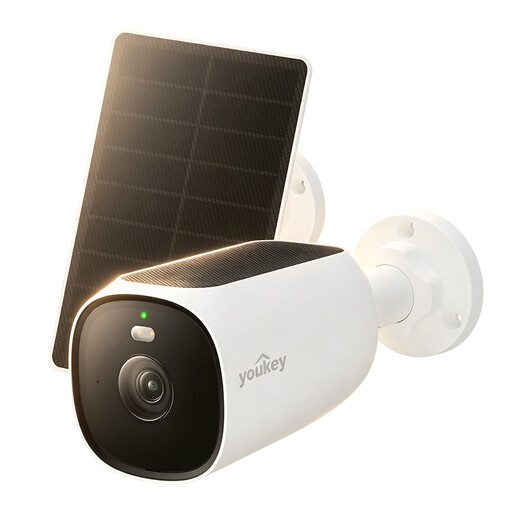
Why it stands out: The UNIVIEW Youkey S420 Pro is designed as a largely self-sufficient security solution. It combines high 4K resolution with a powerful battery and an integrated solar panel, enabling continuous 24/7 recording without a direct power connection.
Advantages:
Who is it for? For users looking for a flexible, wireless security camera with battery and solar power, but who don't want to compromise on high image quality and continuous recording. Ideal for gardens, driveways, or areas of the property without a power outlet.
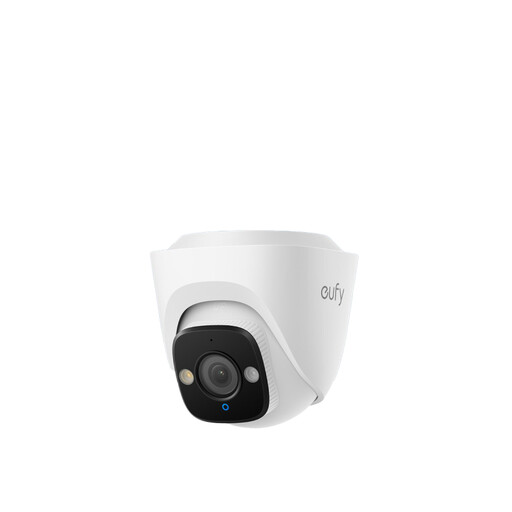
Why it stands out: This PoE camera from eufy focuses on maximum reliability. Thanks to the wired connection via a single Ethernet cable for power and data, it is immune to Wi-Fi interference and requires no battery maintenance.
Advantages:
Who is it for? For users who place the highest priority on operational reliability and uninterrupted recording. It is an excellent choice for monitoring company premises, warehouses, or critical zones at home where cabling is possible.
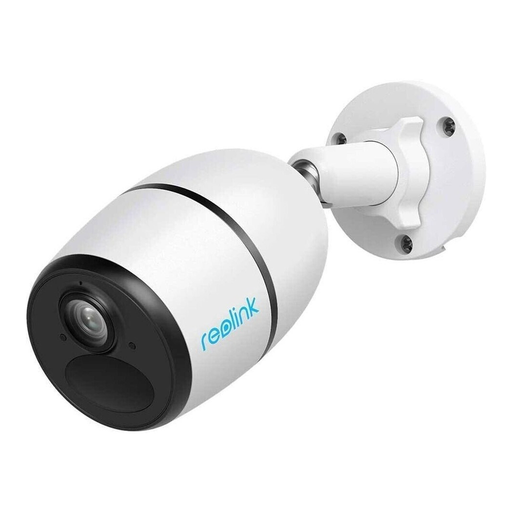
Why it stands out: The Reolink Go-Series-G330 offers ultimate independence. As a security camera with a SIM card, it requires neither Wi-Fi nor a power connection, making it the solution for surveillance in the most remote locations.
Advantages:
Who is it for? For owners of holiday homes, construction sites, horse paddocks, boats, or other properties located outside the range of Wi-Fi and power grids.
The models presented cover specific use cases. If you are looking for other alternatives, especially pure battery-powered solutions that allow for easy, cable-free installation, you can find a wider selection in our category.
? Discover more models of battery-powered IP cameras here
1. What are the legal considerations when installing an outdoor security camera? In many regions, including the EU under the General Data Protection Regulation (GDPR), video surveillance is subject to strict rules. As a general principle, you may only film your own property. Public areas such as pavements or a neighbour's property must not be recorded. It is recommended to indicate the monitored area with a sign.
2. Does every outdoor Wi-Fi camera require a subscription? No. Many models, including those presented here, function as a security camera without a subscription. They offer the option to store recordings locally on a microSD card. A subscription for cloud storage is optional with these cameras and provides additional features like remote access to recordings or expanded storage space.
3. How weatherproof does an outdoor IP camera need to be? Weather resistance is indicated by the IP (Ingress Protection) rating. For outdoor use where the camera is exposed to rain, snow, and dust, a rating of at least IP65 is recommended. IP65 means the device is dust-tight and protected against water jets from any angle. A higher rating like IP67 even offers protection against temporary immersion in water.