
Lieferung heute & morgen

Qualitätsgarantie

Willkommens-Angebote freischalten: KOSTENLOSE Lieferung | Bis zu 80 % RABATT | Kostenlose 30-Tage-JoyPlus-Testphase
App herunterladen
Whether you’re hiking in low mountain ranges, on a trekking holiday, trail running or simply leading an active everyday life: outdoor shoes for men and women need to suit your activity, the terrain and the shape of your feet. Most misbuys don’t come from paying too little, but from the wrong mix of shoe type, fit and weather protection.
A shoe advertised as waterproof can be an advantage in rain and wet grass. That doesn’t automatically mean it’s suitable for extended outings through water, snow or deep puddles. What matters are the specific membrane, seam sealing, tongue design and how the upper meets the collar.
A fully sealed shoe is also often less breathable than a model with an open mesh upper. If you’re mainly out in dry conditions, breathable outdoor shoes can be more comfortable than a heavily sealed construction.
Non-slip shoes need more than a visible tread. The key factors are the rubber compound, lug layout and contact patch. A sole pattern that works on loose forest floor won’t necessarily behave the same on wet tarmac or smooth rock. The maker’s notes on intended terrain should therefore match how you plan to use the shoe.
Well-cushioned shoes can feel pleasant on hard paths. For uneven ground, torsional stability matters too. A very soft running shoe can feel quite different on scree to a stable walking shoe. Wearing a size that’s too big or having a loose heel hold can also lead to pressure points and blisters.
Measure both feet in the evening, wearing the socks you intend to use. Base your choice on foot length in millimetres, not just a familiar EU size. Between two sizes, a little extra room can be helpful in walking shoes so your toes don’t hit the front when descending.
When trying them on, check three points:
Broader lasts or a roomier forefoot can feel better for wide feet. With narrow feet, an overly generous fit won’t stop your foot from slipping.
Mesh and textile uppers promote airflow. Synthetic reinforcements can add extra abrasion protection at the toe, heel and sides. With waterproof walking shoes, the product description should clearly state whether a waterproof membrane is used and how to care for the shoe.
For cushioning, both material and construction matter. EVA foam is often used for the midsole. A softer set-up can feel comfortable on tarmac, while a more stable build gives better control on uneven ground. Also check whether the outsole is described as slip-resistant and which surfaces it’s intended for.

Why this product fits the profile: This lightweight unisex model is designed for runs, travel and transitions from road to easy trails. The size range includes options for narrower, standard and wider feet.
The description lists specific materials and allows selection by foot shape, rather than relying on vague comfort claims. The mesh upper, however, is not described as a waterproof construction.
Sandwich mesh and woven upper; EVA midsole and ROCKYTEC rubber outsole, according to the product description.
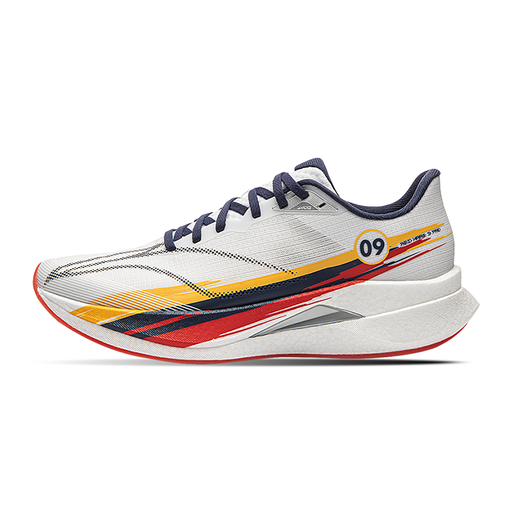
Why this product fits the profile: This running shoe is aimed at users who value a wider platform, cushioning and low weight for training and longer runs.
The specs list platform, midsole, upper and outsole separately. That makes it easier to match the build to your terrain and training volume.
A dual-layer BOOM midsole, woven upper and a GCR rubber outsole with a grippy tread are listed.
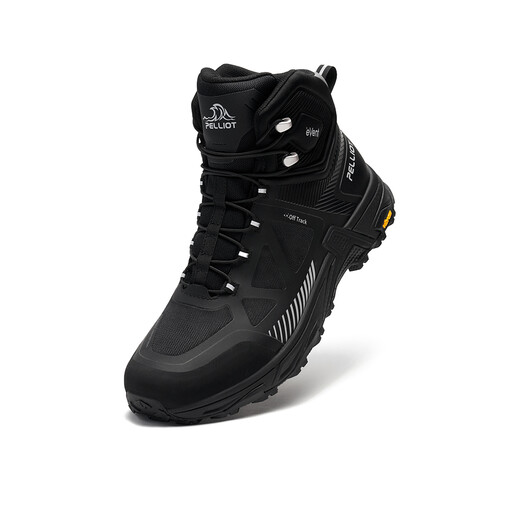
Why this product fits the profile: This higher-cut walking boot targets camping, trekking and changeable weather. It suits users who prioritise toe protection, collar height and sole pattern over minimal shoe weight.
The details specify water-repellent or waterproof elements, a reinforced toe area and a specialist tread. For warm, dry days, a lower-cut mesh shoe may be more breathable.
Abrasion-resistant synthetic materials, a waterproof membrane according to the product description, and a lugged rubber outsole.
Don’t just compare brand name and price – create a short checklist:
For online orders, check returns policy, available sizes and the product description before buying. Try new shoes first on short routes with the socks you plan to wear. For long hikes, break them in gradually.
We’ve put together a comprehensive, regularly updated list of products that fully meet these strict selection criteria and the safety regulations applicable in the EU.
For city pavements, travel and easy woodland trails, lightweight sports shoes or low-cut hiking shoes are often sufficient. On uneven ground, also look for a grippy tread pattern, secure heel hold and abrasion-resistant areas.
Lifespan depends on terrain, frequency of use, body weight, care and storage. Visibly worn tread, tears in the upper, an unstable heel or failing adhesives are all signs it’s time to replace them. A fixed kilometre figure can’t be applied reliably to every model.
That depends on the weather and where you’ll use them. In frequent rain or on damp paths, a membrane can be useful. For dry, warm routes, breathable outdoor shoes with mesh uppers often deliver better airflow. What counts is how you actually use them, not the label alone.