
Lieferung heute & morgen

Qualitätsgarantie

Willkommens-Angebote freischalten: KOSTENLOSE Lieferung | Bis zu 80 % RABATT | Kostenlose 30-Tage-JoyPlus-Testphase
App herunterladen
Outdoor shoes should suit the terrain, level of exertion and shape of your feet. Even so, product claims such as “waterproof”, “slip-resistant” or “particularly lightweight” do not automatically guarantee the right purchase. What matters is whether the construction, sizing information and intended use match your own activities.
A deep sole pattern can be useful on woodland paths and wet ground. For road running, however, it is not always comfortable, as a stiffer or more heavily lugged outsole can alter the way your foot rolls through each stride. Conversely, lightweight running shoes may not provide the guidance you need on loose scree.
If you are looking for men’s hiking shoes, women’s hiking shoes or mountaineering shoes, you should therefore first decide where you will use them most: easy hiking trails, technical mountain hikes, wet woodland paths, or road and long-distance running.
Breathable outdoor shoes can support moisture exchange, but they do not automatically replace a waterproof membrane. Mesh fabric is often designed to promote airflow, while densely coated materials can improve protection against splashes. The product description should therefore clearly distinguish between ventilation, water repellency and waterproofing.
Your feet can swell slightly during longer descents. There should be enough room around the toes without the heel slipping noticeably as you walk. Thick hiking socks also increase the amount of internal space required. Relying solely on your usual shoe size can therefore lead to pressure points or an insecure fit.
For slip-resistant shoes, the label alone is not enough. Look at the outsole pattern, lug depth and intended use. Wide lugs pointing in different directions can provide grip on soft ground. On wet rock, actual traction also depends on the rubber compound, the surface and wear.
For trekking shoes and shoes for mountain hiking, sufficient torsional stability is also helpful. If you mainly run on surfaced paths, you may prefer a more flexible model.
Lightweight hiking shoes reduce the weight of your kit and can feel comfortable on day hikes. Less weight does not automatically mean more comfort, however. On long runs, the tuning of the midsole, the fit and the cushioning are all crucial.
For men’s and women’s running shoes, check whether the model is designed for roads, mixed paths or unpaved routes. Trail running shoes generally need a sole pattern designed for changing surfaces. A road running shoe, by contrast, is usually designed to provide a smooth roll on asphalt.
A wide toe box can be more comfortable for wider feet. Narrower feet may require a more secure-fitting construction. Pay attention to information about the last shape, available sizes and the manufacturer’s recommendations.
In breathable outdoor shoes, mesh or fabric uppers are designed to promote airflow. Reinforcements around the toes and heel can improve protection against abrasion. For care, follow the manufacturer’s instructions: hand washing, mild cleaning products and slow drying away from direct heat are often recommended.
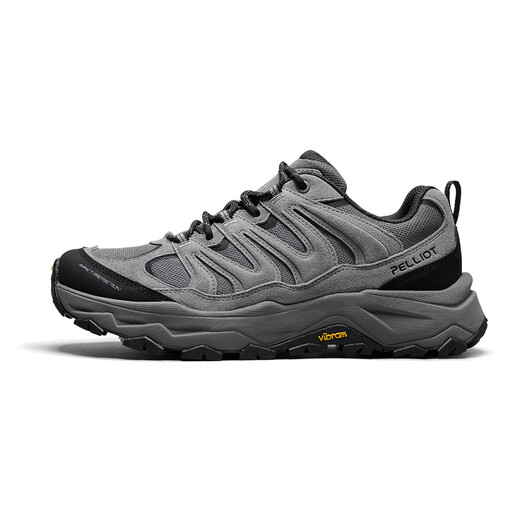
Why this product suits the profile: This model is designed for easy hikes and leisure activities. The specific size 41 makes choosing easier if this is the size you need.
Choosing based on a specific activity and an available size prevents general terms such as “outdoor” from being the sole factor in the purchase decision.
Hiking design and dark colourway; specific size 41 option.
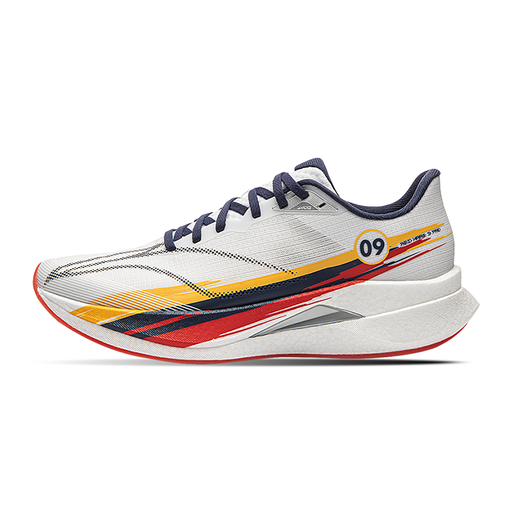
Why this product suits the profile: The product description mentions a widened platform, a two-layer BOOM midsole, a woven upper and a GCR rubber outsole. This makes it suitable for runners looking to combine cushioning, guidance and training.
The description lists specific construction features rather than relying solely on general comfort claims. Even so, check the fit and intended surface before buying.
Widened platform; BOOM midsole; breathable fabric upper according to the product information.
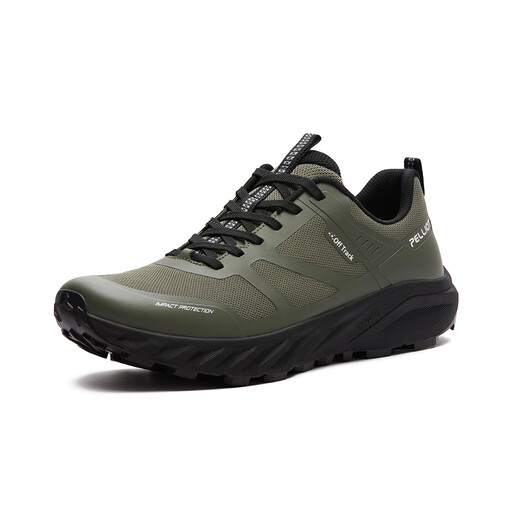
Why this product suits the profile: According to the product information, this model combines a mesh and fabric upper with an EVA midsole and a ROCKYTEC outsole. It may be worth considering for road running and transitions onto mixed paths.
The material and sole details make it easier to compare the shoes with your intended surface. For frequent mountain trips, buyers should choose a model designed for that purpose.
Sandwich mesh for airflow; EVA midsole; ROCKYTEC outsole according to the product description.
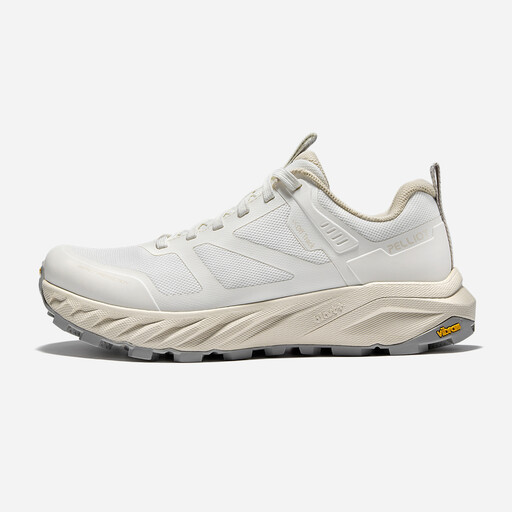
Why this product suits the profile: As a trail running model, it is designed for runs away from uniform asphalt surfaces. The specific white version in size 38 is suitable for shoppers specifically looking for this combination.
Identifying the shoes as trail running footwear defines their intended use more clearly than a general outdoor label. For long distances, test the fit and cushioning on shorter runs first.
Trail running design; available size 38; light colourway.
We have put together a complete, regularly updated list of products that fully meet these strict selection criteria and the safety regulations applicable in the EU.
Lightweight hiking shoes may be sufficient for easy paths. On scree, steep sections or when carrying a heavy pack, more stable mountaineering shoes with stronger heel support and a suitable sole pattern are a better choice. The key factors are the terrain, weather, distance and backpack weight.
Their lifespan depends on mileage, body weight, terrain, care and storage. Asphalt, gravel and wet conditions put different levels of stress on the outsole. Check more than just the tread: look for cracks, lifting bonds, uneven wear and reduced cushioning.
Trail running shoes can be a flexible alternative on easy to moderately difficult natural paths. They are not automatically designed for demanding mountain hiking shoes, via ferrata routes or trips with a heavy pack. Before buying, compare the stability, toe protection, tread and fit with the route you have planned.