
Lieferung heute & morgen

Qualitätsgarantie

Willkommens-Angebote freischalten: KOSTENLOSE Lieferung | Bis zu 80 % RABATT | Kostenlose 30-Tage-JoyPlus-Testphase
App herunterladen
Outdoor solar garden lights are a practical way to illuminate paths, lawns, flower beds, balconies and patios without fixed wiring. During the day the solar panel charges the battery; after dark the light switches on automatically depending on the model. That sounds straightforward – yet some product claims and technical details often lead to the wrong purchase.
Figures such as “8 to 12 hours” usually assume suitable charging conditions. A shaded spot, short winter days, cloud cover or a dirty solar panel can reduce the available run time. So don’t just check the run time; also look at charging time, panel type and placement.
The stated IP rating describes which influences the product is protected against. IP44, for example, means protection against solid particles from 1 millimetre as well as splashing water from various directions. The light therefore shouldn’t stand in water permanently or be submerged. For harsher conditions, an outdoor solar string light with IP65 may be more suitable, though even this must not be placed in water at will.
RGB light, flame effects and light patterns create a decorative atmosphere but don’t automatically replace bright path lighting. For a front door or staircase, even light distribution, sufficient visibility and a stable base are more important than colour changing. Solar ground lights are better for marking areas, while solar path lights with a ground spike can provide a visual guide along walkways.
Warm white solar lights are often around 2.700 to 3.000 Kelvin. The light appears yellowish and suits seating areas, beds and decorative zones. Cool white light at about 6.500 Kelvin looks more neutral to bluish and can make edges on paths stand out more clearly.
RGB solar lights cycle between different colours depending on the model. They’re intended for decorative accents, parties or seasonal styling. Check whether the colour change is automatic or if you can select a specific mode.
The values given should always be understood as manufacturer specifications under suitable conditions. The models here use NiMH batteries. Some products specify a capacity of 40 mAh, others 200 mAh or 600 mAh. A higher capacity alone isn’t enough to choose by, as the solar panel, LED output and control also affect run time.
Before first use, the light should charge for several hours in a sunny spot. Keep the panel as free as possible from dust, leaves and permanent shade. A soft, slightly damp cloth is sufficient for cleaning; abrasive cleaners are not suitable.
Solar lights with a ground spike can be pushed into soft soil or lawn without tools. A ground spike is less suitable for hard or compacted ground. On balconies and patios, freestanding models with a base or decorative outdoor solar string lights are options.
Check before you buy:
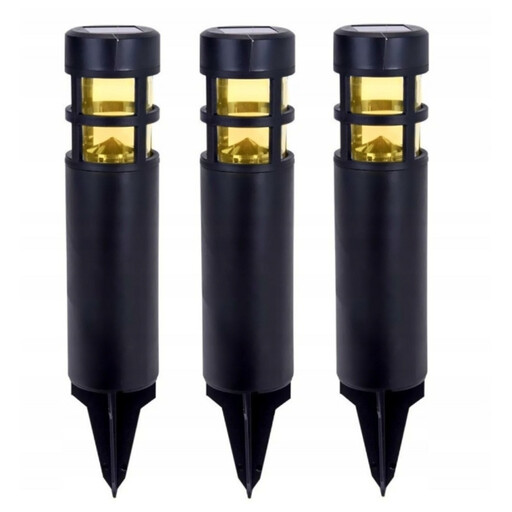
Why this product fits the profile: The set of three solar lights provides a simple starter kit for beds, path edges or small outdoor areas. Installation is cable-free and requires no professional electrical work.
The quantity per pack is clearly stated, so you can better estimate your needs before buying instead of planning a single light for a larger area.
Three lights per set; automatic activation at dusk according to the product description.
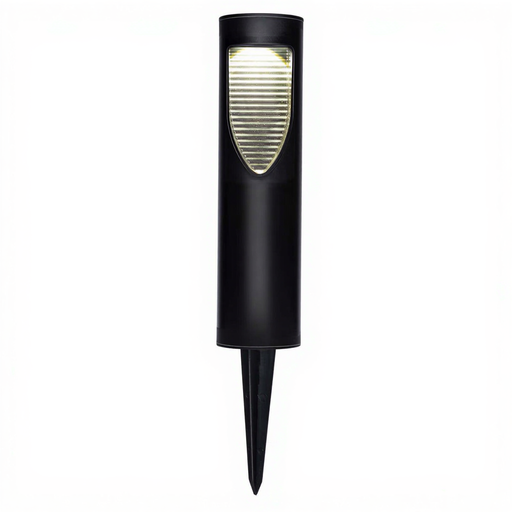
Why this product fits the profile: The warm white SMD LED at 2.700 Kelvin is suitable for patios, entrances and decorative garden lighting without a mains connection.
The specific colour temperature helps you avoid unsuitable light colours. The NiMH battery rated at 600 mAh makes the power supply more transparent.
Warm white SMD light; integrated, rechargeable 600 mAh NiMH battery.
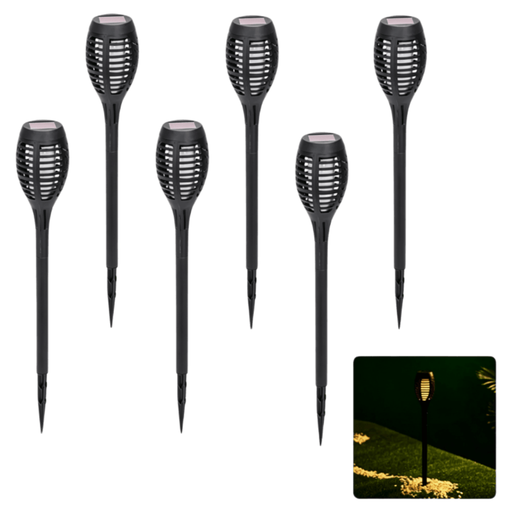
Why this product fits the profile: The 6-piece set with a flame effect is intended for larger beds, paths, lawn edges or seating areas when you want several identical points of light.
The flame effect is positioned as a decorative feature, not a replacement for bright security lighting. IP44 also indicates splash protection.
Six pieces per set; 2.700 Kelvin, IP44 and a stated charging time of 4–6 hours.
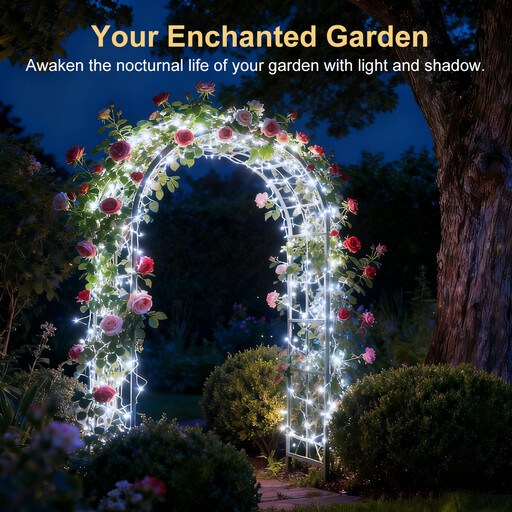
Why this product fits the profile: Two flexible light strings, each 8 metres long, can be attached to railings, trees, fences or planters without needing a socket.
The IP65 rating and the eight lighting modes are stated explicitly. Even so, the string lights are used as decorative outdoor lighting rather than a primary light source.
Two strings with 80 LEDs each; IP65 and eight modes with memory function according to the product description.
The solar panel should get several hours of direct daylight. Trees, house walls, balcony railings and awnings can significantly reduce charging performance. For solar garden lights with a ground spike, also keep a safe distance from lawnmowers, garden tools and frequently used areas.
In frost or prolonged bad weather, run time may decrease. Clean the panel regularly with a soft cloth and check whether the on/off switch has been activated before first use. At the end of their service life, batteries and lights must be disposed of via the local electrical and/or battery collection systems as required.
We’ve compiled a comprehensive, continuously updated list of products that fully meet these strict selection criteria and the safety regulations in force in the EU.
Many of the models mentioned state a charging time of about 4 to 6 hours. For the outdoor solar string lights, 6 to 8 hours of direct sunlight are stated. Actual charging performance depends on the season, weather, orientation and shading.
Service life is a combination of the LED, housing, solar panel and battery. Several Aigostar models state an LED lifespan of up to 15.000 hours. The battery is a wear part and may lose capacity sooner depending on use and storage. Manufacturer figures for the LED therefore don’t automatically mean the entire light will operate unchanged for the same period.
In operation, solar lights draw energy from daylight and don’t require mains power. This means there are no ongoing electricity costs during use. A potential later cost could arise if you replace the battery or buy a new light.