
Lieferung heute & morgen

Qualitätsgarantie

Willkommens-Angebote freischalten: KOSTENLOSE Lieferung | Bis zu 80 % RABATT | Kostenlose 30-Tage-JoyPlus-Testphase
App herunterladen
Outdoor solar lights promise a simple, cost-effective, and eco-friendly way to illuminate gardens, balconies, and pathways. However, the market is flooded with products whose real-world performance often falls short of their marketing claims. Many buyers are left disappointed when the lights fail after a short time or only manage a weak glow for a few hours.
As a Joybuy Product Recommendation Officer, I analyse product data to provide you with objective and practical advice. This guide will walk you through the three most common pitfalls and highlight the key technical specifications you should look for to make an informed decision for your garden decor or security lighting.
To avoid a bad purchase, you should check three core technical features before making a decision. These will give you an objective basis for comparing different models.
The IP (Ingress Protection) rating indicates how well an electrical device is protected against the ingress of foreign objects (first digit) and water (second digit). For solar lights in the garden, the second digit is crucial:
The runtime depends directly on the battery's capacity (measured in milliampere-hours, mAh) and the solar panel's performance. A larger panel with high-quality solar cells (e.g., monocrystalline) can generate more energy even in less-than-optimal light conditions. A higher mAh number means the battery can store more energy, allowing the light to stay on longer. Compare these two values to get a realistic estimate of the expected performance.
The atmosphere a light creates is largely determined by its colour temperature:
Brightness is measured in lumens (lm). A higher lumen value means more brightness. The number of LEDs alone is not a reliable indicator of the total light output.
Here are some product recommendations tailored to specific use cases and the quality criteria mentioned above.
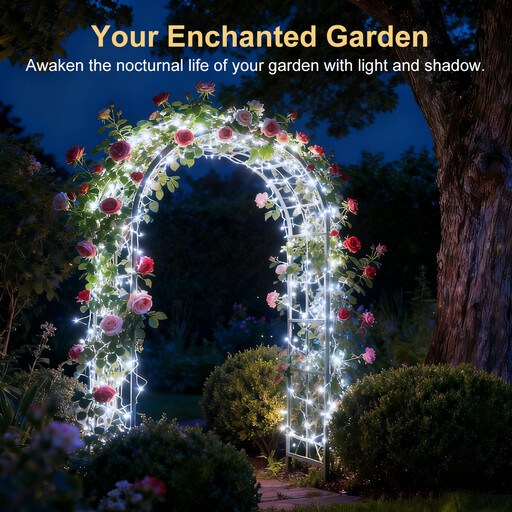
Why This Fits Their Persona: Ideal for creative decorations on railings, plants, or walls. The flexible copper wire of these outdoor solar string lights can be easily bent into any desired shape, creating an atmospheric ambiance for cosy evenings on the balcony or for garden parties.
With an IP65 rating, these string lights are reliably protected against rain, thus avoiding the common failure due to moisture ingress that plagues many IP44-rated products.
Eight different lighting modes with a memory function offer creative versatility. The set includes two separate string lights, representing excellent value for money.
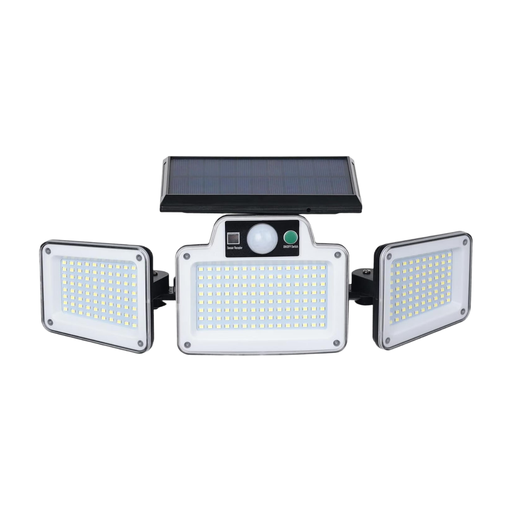
Why This Fits Their Persona: This solar spotlight with a motion sensor is designed for reliably illuminating driveways, garages, or dark corners. The three adjustable heads allow for wide and targeted light distribution to enhance security.
The separate solar panel, connected by a 4.7-metre cable, solves the problem of insufficient charging. The panel can be mounted in the sunniest spot, while the light itself remains in the shade.
Three adjustable modes (including a sensor-only mode) controlled via remote and its IP65 certification make it a flexible and durable security solution.
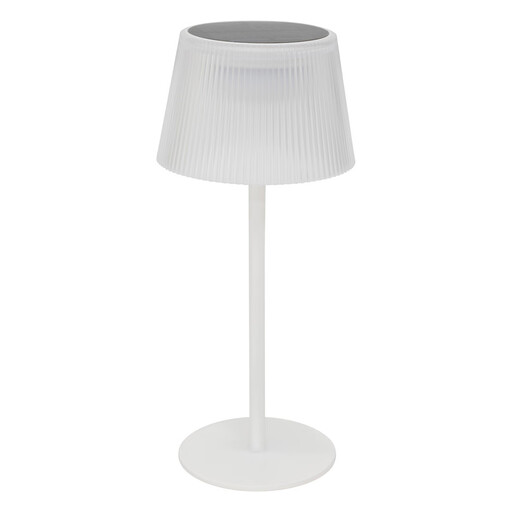
Why This Fits Their Persona: This solar table lamp is an elegant solution for anyone seeking a portable and decorative light source for the garden table or patio. It combines functionality with an appealing, modern design.
The lamp is designed with an IP44 rating for sheltered outdoor use on tables and doesn't make unrealistic promises of illuminating large areas. Its material combination of steel and acacia wood is more robust than pure plastic.
The warm white light (90 lumens) creates a pleasant atmosphere. The lamp is cordless and portable, allowing for maximum flexibility in placement.
We have compiled a complete, real-time list of products that fully satisfy these strict selection criteria and UK safety regulations.
Yes, but with limitations. The shorter days and lower intensity of sunlight in winter mean that the batteries do not fully charge. As a result, the runtime is noticeably shorter. Models with high-efficiency monocrystalline solar panels and large batteries perform better in these conditions than basic versions.
The lifespan depends on the quality of the components. The LEDs themselves have a very long life (often 15,000 hours or more). The limiting factor is usually the battery, which loses capacity after 1-3 years, depending on its type and usage. On some models, the battery can be replaced. The weather resistance of the housing (material and IP rating) is also crucial for a long service life.
Maintenance is minimal but important for optimal performance. Regularly clean the solar panel of dust, pollen, or dirt with a soft, damp cloth. A clean surface ensures maximum energy absorption. In winter, it is a good idea to clear any snow off the panel.