
Lieferung heute & morgen

Qualitätsgarantie

Willkommens-Angebote freischalten: KOSTENLOSE Lieferung | Bis zu 80 % RABATT | Kostenlose 30-Tage-JoyPlus-Testphase
App herunterladen
Outdoor solar lights promise a simple, cost-effective, and eco-friendly way to illuminate your garden, balcony, or driveway. However, the market is flooded with products whose real-world performance often falls short of their marketing claims. Many buyers are left disappointed when the lights fail after a short time or provide barely any light during winter.
As a Joybuy Product Recommendation Officer, I analyse product data to help you make informed decisions. This guide highlights the most common pitfalls and explains which technical features you should look for to find a durable and functional solution for your outdoor space.
Many products entice you with attractive images and bold promises. Pay attention to these three points to avoid disappointment:
To find the right LED solar light, don't be swayed by marketing buzzwords. Instead, focus on objective technical data. Here are the three most important parameters:
The IP (Ingress Protection) rating indicates how well an electrical device is protected against the ingress of foreign objects (first digit) and water (second digit).
For reliable performance over several years, a rating of at least IP65 is recommended.
The performance of a solar light depends directly on the battery's capacity (measured in milliampere-hours, mAh) and the charging power of the solar panel.
These two values define the brightness and the atmosphere a light creates.
Based on these objective criteria, we have selected a few products from our range that offer a suitable solution for specific user profiles and requirements.
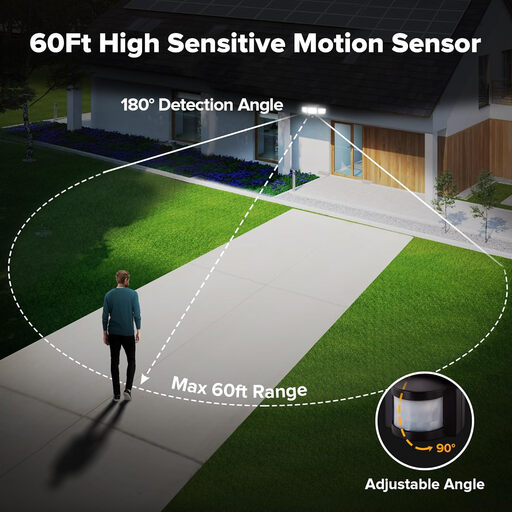
Why it's a great fit: Ideal for securing driveways, garages, or dark garden areas. The powerful motion sensor and high brightness provide reliable illumination when needed, enhancing security and acting as a deterrent.
With a clear IP65 certification, this solar spotlight is designed for year-round outdoor use, bypassing the pitfall of inadequate weather resistance.
The combination of 3000 lumens of luminous flux and three adjustable light heads allows for broad and targeted illumination (270° angle).
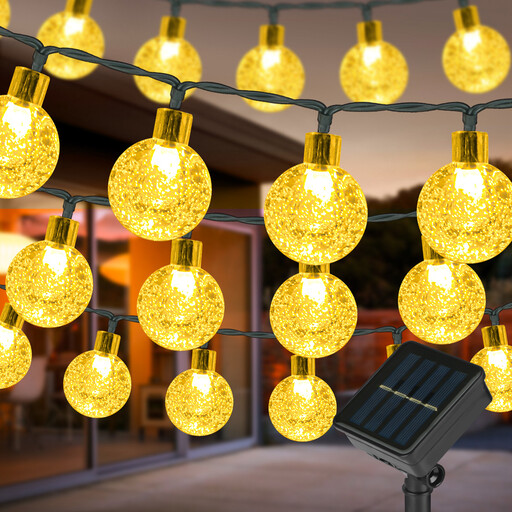
Why it's a great fit: Perfect for anyone looking to enhance their balcony, patio, or a cosy garden corner with atmospheric light. The string light creates an inviting ambience for evenings outdoors, with no power outlet required.
The specified charging time of 6-8 hours for an 8-14 hour runtime is a realistic range that accounts for the dependency on sun exposure, setting clear expectations.
Eight different lighting modes and the warm white light colour offer design flexibility for various occasions and moods. The IP65 rating ensures durability.
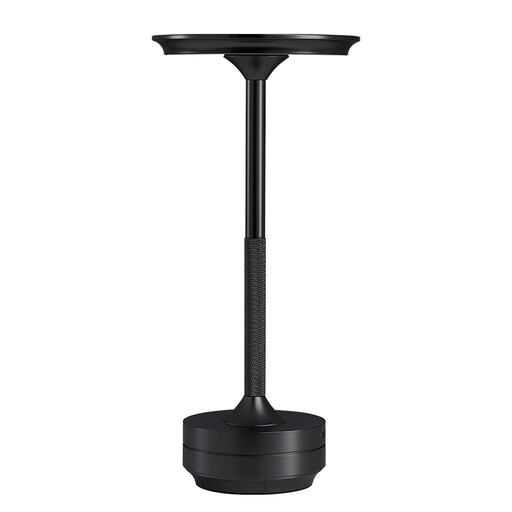
Why it's a great fit: This lamp is designed for users who need a portable light source for the dining table on the balcony, as a reading light on the patio, or even as an emergency light indoors. Its modern design and cordless function offer maximum flexibility.
It bypasses solar dependency with a dual charging option (Solar and USB-C). This ensures the lamp is ready to use even after a week without sun, avoiding the "no sun, no light" problem.
The touch control allows for continuous dimming of the brightness and adjustment of the colour temperature (3000K-6500K), enabling precise light customisation for any situation.
We have compiled a complete, up-to-date list of products that fully meet these strict selection criteria and all relevant safety standards.
Yes, but with limitations. The shorter days and lower angle of the sun in winter result in less battery charging. Consequently, the runtime per night is significantly shorter than in summer. Models with high-efficiency solar panels and large batteries have an advantage here. For reliable winter performance, solar spotlights with motion sensors are particularly suitable as they only consume energy when needed, rather than staying on all night.
The lifespan depends on the quality of the components. The battery (usually lithium-ion) is often the first part to lose performance, typically after 2 to 4 years. The LED bulbs themselves have a very long lifespan, often exceeding 15,000 hours. The durability of the housing is also crucial; UV-resistant materials like high-quality plastic or stainless steel significantly extend the lifespan compared to cheap plastic.
The most important factor is the orientation of the solar panel. It should be placed in a location that receives as much direct sunlight as possible throughout the day, ideally with a south-facing orientation. Avoid shadows from trees, buildings, or overhangs. For models with a separate panel connected to the light by a cable, you have more flexibility to find an optimal sunny spot for the panel. Also, clean the panel regularly to remove dust and debris to maintain charging efficiency.