
Lieferung heute & morgen

Qualitätsgarantie

Willkommens-Angebote freischalten: KOSTENLOSE Lieferung | Bis zu 80 % RABATT | Kostenlose 30-Tage-JoyPlus-Testphase
App herunterladen
Outdoor solar lights promise a simple and cost-effective way to illuminate gardens, balconies, and pathways. With no wiring or electricity costs, they offer flexibility and an eco-friendly light source. However, the market is flooded with products whose real-world performance often fails to live up to their promises. Many buyers are quickly disappointed when the lights flicker, fail in the rain, or break down after just one winter.
This guide will show you the three most common pitfalls to watch out for and which technical features are truly crucial to ensure your solar-powered garden lighting works reliably for years to come.
Before you make a decision, it's important to understand the typical weaknesses often hidden behind attractive product images and marketing promises.
To avoid making a bad purchase, you should focus on a few critical technical specifications. These determine the longevity and reliability of your LED solar lights.
The battery is the heart of every solar light. Inexpensive models often use NiMH batteries (Nickel-Metal Hydride), which have a limited lifespan and number of charge cycles. More powerful lights rely on Lithium-ion or LiFePO4 batteries, which store more energy, are more durable, and work more reliably even at cooler temperatures.
The solar panel is just as important:
The IP (Ingress Protection) rating is an internationally standardised code. The second digit indicates the level of protection against water and is the crucial criterion for waterproof solar lights.
The intended function determines the necessary brightness.
Instead of making a blanket recommendation, we have selected products for different needs and locations.
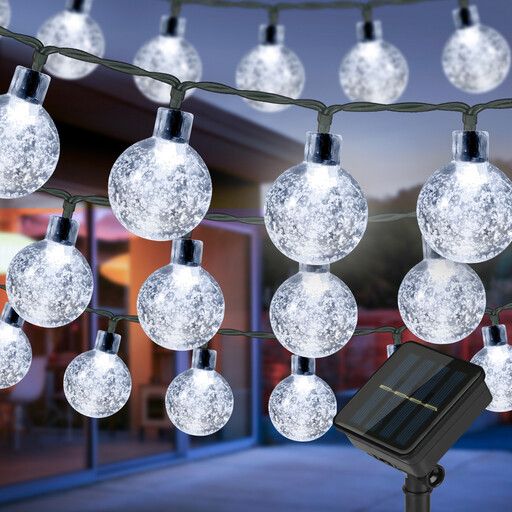
Why this product is a great fit: Ideal for users looking for aesthetic and flexible lighting for balconies, patios, or garden parties. The 11-metre string of 60 LED globes creates an inviting atmosphere with zero installation hassle.
With an IP65 rating, these string lights are reliably protected against rain, avoiding the trap of inadequate water resistance that plagues many decorative lights.
Offers 8 different lighting modes with a memory function, so it retains the last selected setting. The stated runtime of 8–14 hours is realistic thanks to the efficient panel.
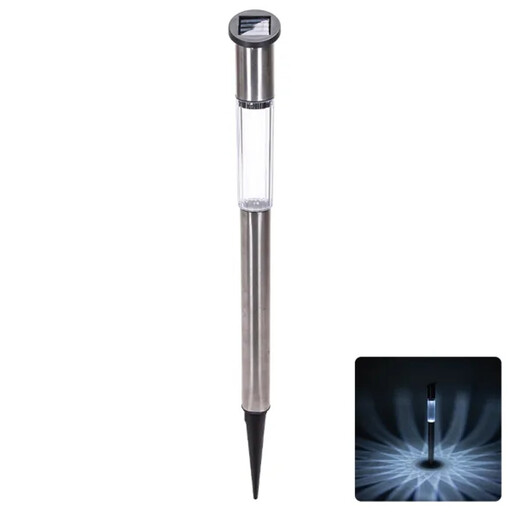
Why this product is a great fit: Perfect for homeowners who need functional and discreet lighting for garden paths or flowerbeds. These solar lights with ground stakes provide orientation and safety in the dark.
The stainless steel-style housing is more robust and weather-resistant than all-plastic models. The IP44 rating is sufficient for placement along paths where it is not directly exposed to strong water jets.
Simple, tool-free installation with the ground stake. The clear, cool white light (6500K) ensures good visibility. The LED lifespan is rated at 15,000 hours.
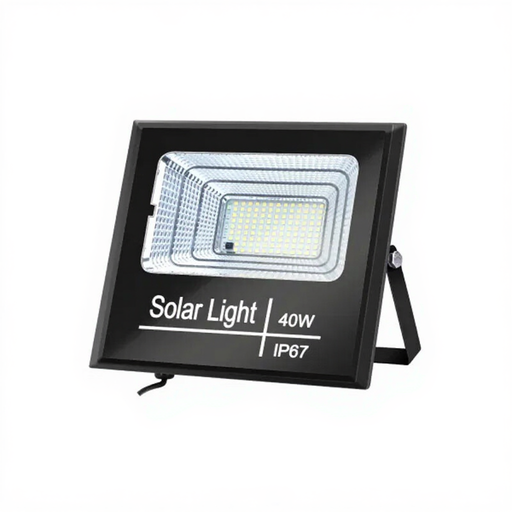
Why this product is a great fit: For users who need bright, reliable lighting for driveways, carports, or dark corners of the garden where optimal sun exposure for the light itself is not possible.
The separate solar panel solves the problem of shady installation spots. The extremely high IP67 rating and large 10,000 mAh battery bypass the pitfalls of poor water resistance and short runtimes.
Maximum installation flexibility and very high light output. The robust construction of aluminium and glass ensures a long lifespan even under harsh conditions.
We have compiled a complete, up-to-date list of products that fully meet these strict selection criteria and UK safety regulations.
The lifespan of a solar light is mainly determined by its battery. The LED bulbs themselves often last 15,000 hours or more. However, the battery is a consumable part. Depending on the type (NiMH or Lithium) and intensity of use, a replacement may be necessary after 1 to 3 years. On many higher-quality models, the battery can be easily replaced.
Yes, but with reduced performance. The shorter days and the lower angle of the sun in winter result in less charge for the battery. This significantly shortens the runtime per night. Models with high-efficiency monocrystalline solar panels and large batteries are better suited for winter operation than simple decorative lights.
The crucial factor is the solar panel. It should be placed in a location where it receives at least 4–6 hours of direct, unobstructed sunlight daily. A south-facing orientation is ideal in the UK. Avoid locations under trees, eaves, or in the shadow of buildings, as this will severely reduce charging performance.