
Lieferung heute & morgen

Qualitätsgarantie

Willkommens-Angebote freischalten: KOSTENLOSE Lieferung | Bis zu 80 % RABATT | Kostenlose 30-Tage-JoyPlus-Testphase
App herunterladen
A well-lit driveway, a safe garden path, or an illuminated patio with no extra electricity costs—the advantages of an outdoor solar light with a motion sensor are clear. Installation is straightforward since no wiring is required, and operation is free thanks to solar power. However, the market is flooded with products whose performance claims often don't hold up in practice. Before you make a decision, it's crucial to understand the common weaknesses that can quickly turn a seemingly good investment into a frustrating one.
This guide will walk you through the three most common pitfalls of buying and explain which technical features to look for to find a durable and reliable solar outdoor light.
Many products entice with impressive numbers and modern designs, but the devil is in the details. These three points frequently lead to disappointment:
To avoid these pitfalls, base your purchase decision on objective technical data. The following three parameters are critical for the performance and longevity of a solar light.
The IP (Ingress Protection) rating indicates how well a device is protected against the entry of foreign objects (first digit) and water (second digit).
These three values determine the functionality of your lighting:
The performance of the energy system is the heart of any solar light.
Based on these objective criteria, we have compiled a few models for different user profiles.
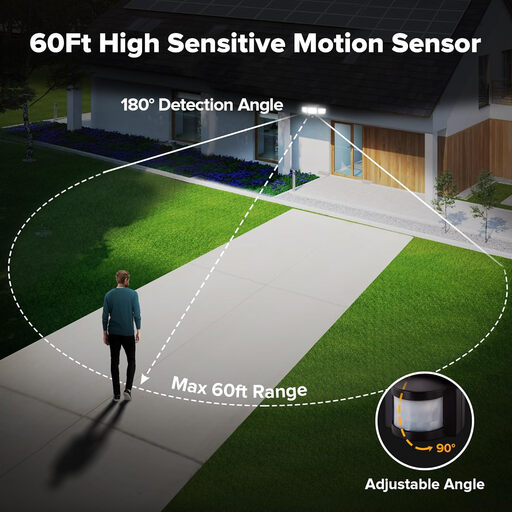
Why This Fits Their Persona: Ideal for illuminating large areas like driveways, yards, or dark corners of the property. The high brightness and wide detection range serve as a security measure and deterrent.
With a light output of 3000 lumens and a 180° sensor, this model bypasses the pitfall of insufficient brightness. The IP65 certification ensures its weather resistance.
Three flexibly adjustable light heads provide 270° illumination. According to the manufacturer, it has a long motion detection range of up to 18 metres.
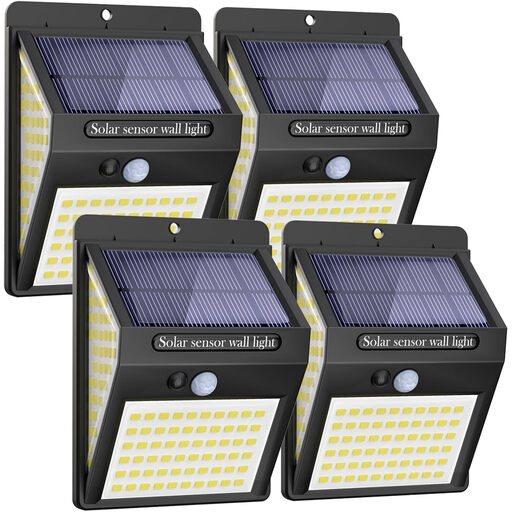
Why This Fits Their Persona: Ideal for basic illumination of garden paths, fences, or stairs where multiple light points are needed without breaking the bank. The set offers excellent value for money.
Despite its attractive price, this set features an IP65 rating, thus avoiding the common pitfall of poor weather resistance found in many budget options.
The 4-pack allows for cost-effective, widespread coverage. Three adjustable lighting modes offer added flexibility for different applications.
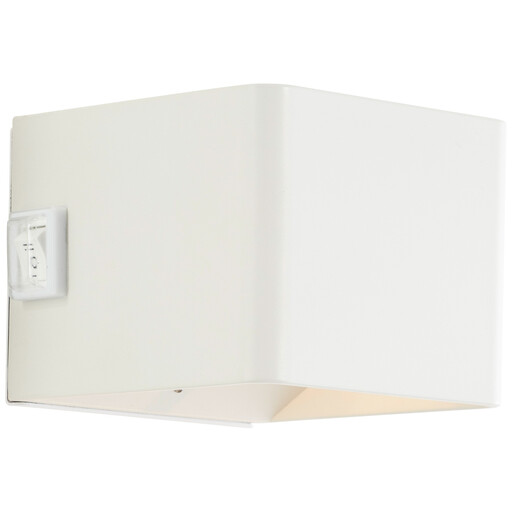
Why This Fits Their Persona: Suitable for balconies, rental properties, or temporary uses (e.g., in a shed or for camping) where a permanent installation isn't possible or desired. The magnetic mount offers maximum flexibility.
Since this model is charged via USB, it doesn't depend on direct sunlight at its mounting location. It thereby avoids the pitfall of inefficient solar charging in shady spots.
Battery-powered with a USB charging function and a magnetic mount for versatile use. IP44 rating for sheltered outdoor areas.
We have compiled a complete, up-to-date list of products that fully meet these strict selection criteria and relevant safety standards.
The illumination time heavily depends on the battery capacity (mAh), the frequency of motion detection, and the selected mode. On average, a high-quality light can easily detect motion throughout the night after a sunny day, turning on for short intervals. In a constant-on mode, the runtime will be significantly shorter.
Yes, modern solar lights do work in winter, but with some limitations. Charging performance is reduced due to shorter days and a lower sun angle. Models with high-efficiency solar panels and large batteries have a clear advantage here. On consistently overcast or snowy days, the illumination time can decrease noticeably. Optimal, south-facing placement of the panel is especially important in winter.
For areas protected from direct rain by a roof or overhang (e.g., a front door, covered patio), an IP44 rating (protection against splashing water) is generally sufficient. For lights that are mounted on an exposed wall, in the garden, or on a driveway and are therefore fully exposed to rain, snow, and wind, an IP65 rating (dust-tight and protection against water jets) or higher is strongly recommended to ensure a long lifespan.