
Lieferung heute & morgen

Qualitätsgarantie

Willkommens-Angebote freischalten: KOSTENLOSE Lieferung | Bis zu 80 % RABATT | Kostenlose 30-Tage-JoyPlus-Testphase
App herunterladen
By a Joybuy Product Recommendation Officer
Atmospheric lighting for your garden, patio, or balcony enhances any outdoor space. Many people look for a solution that is not only decorative but also energy-efficient and easy to install. Outdoor solar lights meet these requirements, as they operate without an external power source or complex wiring.
This article serves as a guide. It introduces various types of solar lights and explains key features to consider when making your selection. The goal is to provide you with an informed basis for your decision.
Before making a decision, it's helpful to understand a few technical specifications. These determine the functionality and durability of your solar garden lighting.
The IP rating indicates how well an electrical device is protected against the ingress of foreign objects and water. For outdoor use, two ratings are particularly relevant:
The illumination time of a solar lamp depends on the efficiency of the solar panel and the capacity of the integrated battery. A high-performance panel and a battery with a high milliampere-hour (mAh) rating allow for longer lighting, even after days with less sunshine. Most models feature a dusk-to-dawn sensor that automatically activates the light at nightfall and deactivates it at dawn to conserve energy.
Modern LED solar lights offer more than just constant illumination. Depending on the model, various functions are available:
Here is a selection of different solar lights, distinguished by their specific features and applications.
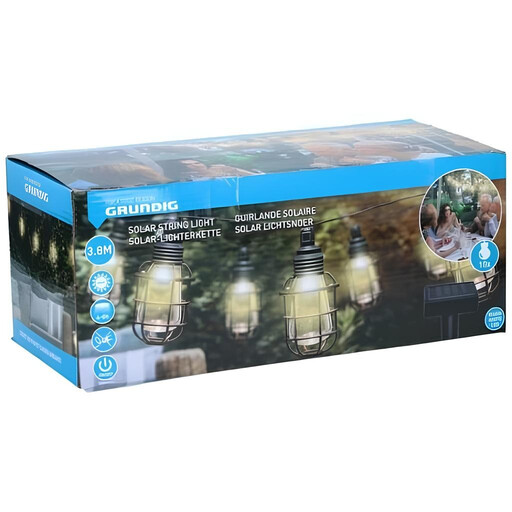
Why It Stands Out: These lantern string lights combine a classic look with modern solar technology. The ten lanterns produce a warm, inviting light and their lightweight design makes them easy to hang on fences, pergolas, or branches.
Advantages:
Who It's For: Ideal for users looking for hassle-free and atmospheric garden decor or balcony lighting for parties, celebrations, or everyday use.
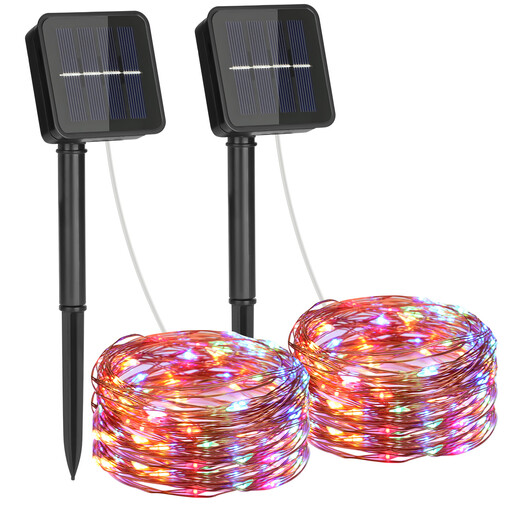
Why It Stands Out: These outdoor solar string lights offer maximum creative freedom with their flexible copper wire and 120 multi-coloured LEDs per strand. The eight different lighting modes and memory function allow for a variety of light effects.
Advantages:
Who It's For: Suitable for creative decorators who want to illuminate gardens, patios, or event venues individually and colourfully for festive occasions like Christmas or weddings.
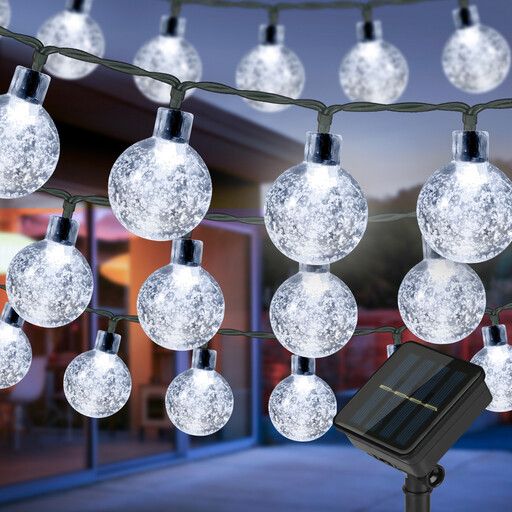
Why It Stands Out: The design of these string lights features 60 solar globe lights, each containing small air bubbles inside. This creates a unique visual effect that elegantly refracts the cool white light.
Advantages:
Who It's For: Perfect for users who prefer a stylish and modern lighting solution to create a crisp and inviting atmosphere on their balcony, in the garden, or on the patio.
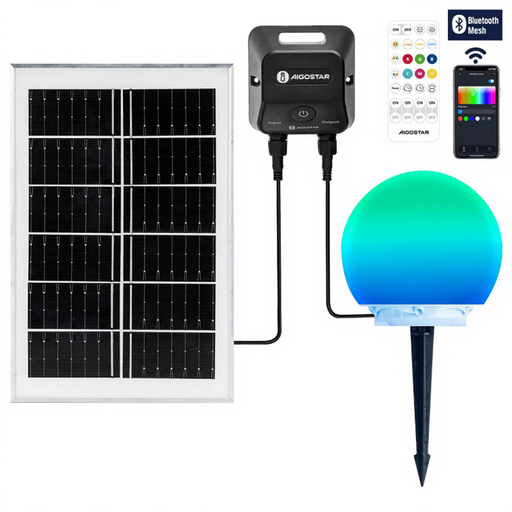
Why It Stands Out: This in-ground light takes solar garden lighting to a new technological level. Thanks to Bluetooth Mesh technology, over 200 lights can be networked together and controlled centrally via a smartphone app. The RGBCCT function allows for the seamless adjustment of millions of colours and shades of white (2700K-6500K).
Advantages:
Who It's For: For tech-savvy homeowners who want to build a fully customisable, smart, and expandable lighting system for paths, flowerbeds, or their entire garden landscape.
The products featured cover a range of applications. If you are looking for specific designs, such as flickering flame effects or other styles, you may find the perfect match in our broader selection.
? Discover More Solar Flickering Garden Lights Here
Pay attention to an IP rating suitable for the intended location (at least IP44, or IP65 for exposed areas). Compare the battery capacity (mAh) and the stated illumination time. Also, check for desired features like different light modes, colour-changing capabilities, or remote control.
Yes, solar lights do charge in diffuse light, but much more slowly than in direct sunlight. This results in a shorter illumination time at night during winter or on heavily overcast days. Models with high-efficiency solar panels and large-capacity batteries are better suited for these conditions.
The LEDs themselves have a very long lifespan, often exceeding 20,000 hours. The limiting factor is typically the rechargeable battery. Depending on its quality and usage intensity, its performance may decline after 1 to 3 years. However, on many models, the battery can be easily replaced, which extends the overall lifespan of the light.