
Lieferung heute & morgen

Qualitätsgarantie

Willkommens-Angebote freischalten: KOSTENLOSE Lieferung | Bis zu 80 % RABATT | Kostenlose 30-Tage-JoyPlus-Testphase
App herunterladen
Outdoor solar lights promise a simple, cost-effective, and eco-friendly way to illuminate gardens, balconies, and pathways. Installation is cable-free, and they incur no electricity costs. However, the market is flooded with products whose real-world performance often falls short of their promises. Many buyers are quickly disappointed by dim light, short runtimes, or weather-related failures.
This guide will help you identify the key quality indicators and avoid common purchasing traps. This way, you can find a lighting solution that works reliably and meets your needs for both aesthetics and functionality.
Before making a purchase, you should be aware of the most common flaws found in many off-the-shelf models.
To make an informed decision, you should check three core parameters. These are reliable indicators of the expected performance and longevity of a solar light.
The brightness of a light is measured in lumens (lm), not watts. This value describes the actual light output from a source. Different benchmarks apply for various use cases:
The IP (Ingress Protection) rating is a crucial indicator of weather resistance. It consists of two digits. For waterproof LED solar lights, the second digit is key:
The battery is the heart of every solar light. Its quality and capacity determine the runtime.
Based on these objective criteria, we have selected various models for typical use cases.
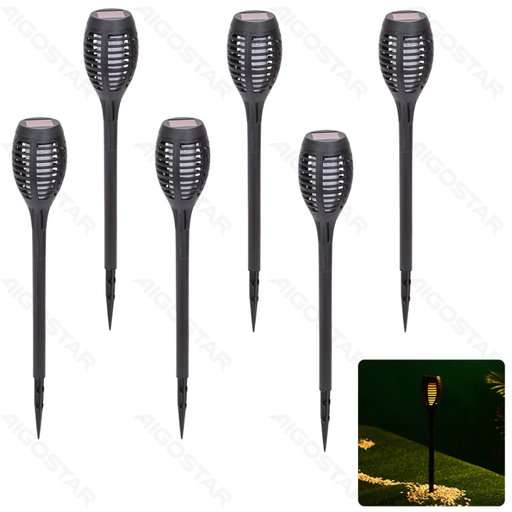
Why This Fits Their Persona: Ideal for users looking to create atmospheric ambient lighting for their garden on a limited budget. The 6-pack allows for a cohesive look along flowerbeds or pathways.
With a stated runtime of 8–12 hours and an IP44 rating, this set avoids the pitfall of lights that fail after a short time or the first downpour. It offers reliable performance for decorative purposes.
Convenient 6-pack for a cohesive design; realistic flame effect creates a warm atmosphere.
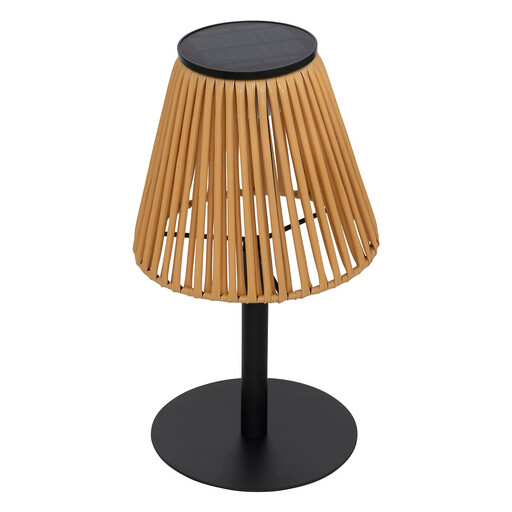
Why This Fits Their Persona: Perfect for users seeking a stylish and flexible light source for a balcony, patio, or garden table. The design-forward approach creates a cosy, indoor-like atmosphere outdoors.
The dual charging system (solar and USB) ensures functionality even on low-sun days, bypassing the common "no sun, no light" trap. Its IP44 rating is appropriate for tabletop use.
Dual charging system for maximum flexibility; high-quality design with a steel base and a woven-style shade; 90 lumens of brightness.
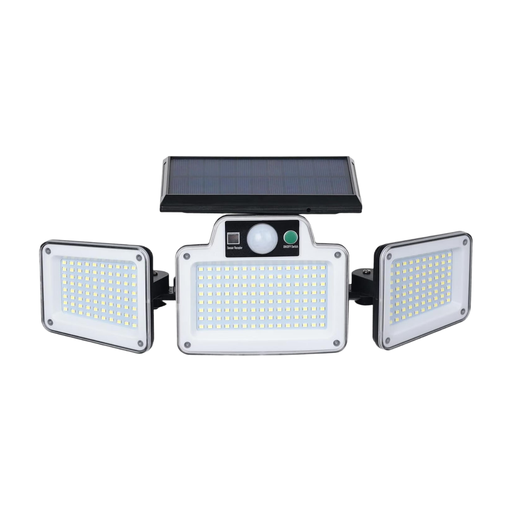
Why This Fits Their Persona: Designed for users who prioritise security and bright, on-demand illumination. Ideal for driveways, garages, and dark corners of the property.
This floodlight delivers high brightness with 280 LEDs, far surpassing a mere glow. The IP65 rating ensures high weather resistance and durability, preventing failure due to the elements.
Three adjustable heads for wide-angle illumination; IP65 rating; three operating modes with a motion sensor and remote control; large 2400mAh battery.
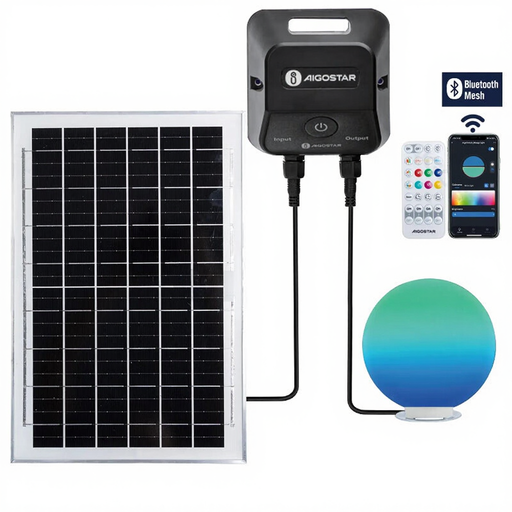
Why This Fits Their Persona: For tech-savvy users who want full control over their lighting. The focus here is on app control, networking multiple lights, and customising colours and colour temperature.
This model is a high-performance system that overcomes the limitations of basic lights. With an IP65 rating, a very large 8000mAh battery, and 350 lumens of light output, it directly addresses the common weak points of brightness, runtime, and weather resistance.
Control via Bluetooth Mesh (network over 200 devices); full colour and colour temperature control (RGBCCT); high light output and a very large battery capacity.
We've compiled a complete, up-to-date list of products that fully meet these strict selection criteria and all relevant safety standards.
Yes, modern solar lights also work in diffused light, but with reduced performance. The solar panels still charge on overcast days, just more slowly than in direct sunlight. This results in a shorter runtime in winter or on gloomy days. Models with large, efficient solar panels and high-capacity batteries are better suited for year-round use.
The IP rating indicates how well an electrical device is protected against the ingress of foreign objects (first digit) and water (second digit). For outdoor use, IP44 (protection against splashing water) is a minimum standard for sheltered areas. For unprotected locations exposed to rain and snow, a rating of IP65 (dust-tight and protected against water jets) or higher is recommended to ensure a long lifespan.
The lifespan depends heavily on the quality of the components. The LED light source itself is very durable, lasting 15,000 to 30,000 hours. The limiting factor is usually the battery, whose capacity degrades after about 1 to 3 years. On high-quality models, the battery can be replaced. The quality of the housing (e.g., UV-resistant plastic or stainless steel) also significantly affects durability.