
Lieferung heute & morgen

Qualitätsgarantie

Willkommens-Angebote freischalten: KOSTENLOSE Lieferung | Bis zu 80 % RABATT | Kostenlose 30-Tage-JoyPlus-Testphase
App herunterladen
A solar string light can transform any outdoor space—be it a garden, balcony, or patio—into an atmospheric oasis without adding to your electricity bill. The market is vast, but not every product delivers on its promise. Many buyers are left disappointed by lights that fail after the first downpour, shine for only a few hours, or prove impractical for their intended decoration.
As your Joybuy Product Recommendation Officer, I'm here to help you navigate these common pitfalls. This guide focuses on the crucial technical specifications you need to know to make an informed decision and find a durable, functional solar string light for your outdoor space.
Marketing claims can be misleading. Pay close attention to three weak points that often only become apparent after purchase:
To avoid a bad purchase, don't be swayed by the number of LEDs or exaggerated advertising claims. Instead, focus on these three verifiable criteria.
The term "waterproof" is non-specific. The only meaningful metric is the IP (Ingress Protection) rating. It consists of two digits. For an outdoor waterproof string light, the second digit is crucial.
The illumination time depends directly on the system's ability to store and release solar energy.
The choice of material affects both aesthetics and application possibilities.
Here are some recommendations tailored to specific user profiles and the quality criteria mentioned above.
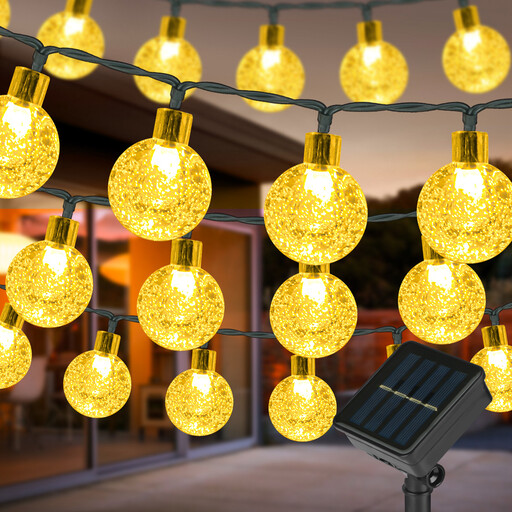
Why This Fits Their Persona: Ideal for users who want to create a cosy and inviting atmosphere in a limited space. The warm white light and globe design have a particularly homely feel, perfect for balconies or small patios.
This model avoids the trap of insufficient weather resistance with a clear IP65 certification, ensuring durability even when installed in an unprotected spot on the balcony.
Creates an especially atmospheric glow thanks to the bubble-ball design and warm white light. The 8 lighting modes allow for customised ambience.
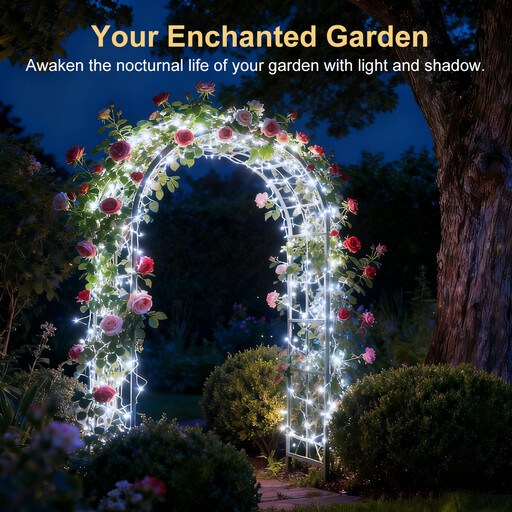
Why This Fits Their Persona: Perfect for creative users looking for a discreet and versatile lighting solution. The flexible copper wire can be precisely wrapped around plants, furniture, or railings. The cool white light adds modern, bright accents.
Solves the problem of rigid and impractical designs. The thin wire is barely visible during the day, and installation requires no tools, making decorating significantly easier.
The 2-pack offers excellent value for money and allows for lighting multiple areas. The high flexibility of the copper wire enables countless decoration possibilities.

Why This Fits Their Persona: Designed for festive occasions. The multi-color LEDs and 8 different lighting modes create a lively and dynamic atmosphere, ideal for garden parties, birthdays, or holidays.
Avoids the disappointment of short runtimes. The efficient solar panel and battery are designed for 8–14 hours of illumination, ensuring the outdoor party lighting lasts all night.
The built-in memory function remembers the last selected mode, so the string lights don't need to be reset daily. The 2-pack offers flexibility for decorating.
We have compiled a complete, up-to-date list of products that fully meet these strict selection criteria and safety standards.
1. How long does a solar string light stay on with a full charge? The illumination time depends on the amount of sunlight during the day, the solar panel's efficiency, and the battery's capacity. High-quality models typically shine for 8 to 14 hours, which is sufficient for most evenings and nights.
2. What does IP65 certification mean for daily use? IP65 means the string light is dust-tight and protected against water jets (e.g., from a garden hose or heavy rain) from all directions. You can leave such a light outdoors all year round without worrying about weather-related damage. However, it is not protected against submersion in water.
3. Do solar string lights work on cloudy days or in winter? Yes, but with reduced performance. Modern solar panels can generate energy even in diffuse light, but they charge the battery more slowly and less completely than in direct sunlight. On heavily overcast days or in winter, the illumination time may be shorter. For optimal performance, the solar panel should be placed in a location with maximum sun exposure.