
Lieferung heute & morgen

Qualitätsgarantie

Willkommens-Angebote freischalten: KOSTENLOSE Lieferung | Bis zu 80 % RABATT | Kostenlose 30-Tage-JoyPlus-Testphase
App herunterladen
A solar-powered string light for your outdoor space promises simple, atmospheric decoration with no electricity costs or messy cables. But the reality is often quite different: many products disappoint after a short time with dim light, short runtimes, or complete failure after the first rain. Before you invest, it's crucial to understand the common pitfalls often hidden behind appealing product photos.
This guide reveals the three most common pitfalls when buying solar string lights. We'll explain which technical features you need to look for to find a durable, functional outdoor solar string light that will reliably illuminate your garden, balcony, or patio.
To avoid these problems, you should be guided not by marketing promises, but by verifiable technical specifications.
The IP (Ingress Protection) rating is a critical indicator of weather resistance.
The runtime depends directly on two factors: the battery's capacity (measured in milliampere-hours, mAh) and the solar panel's efficiency. A large battery is useless if the panel can't fully charge it during the day. Look for a balanced ratio and ensure the solar panel is as large as possible and made of monocrystalline silicon, as it has a higher efficiency than amorphous silicon.
The choice of light colour and material determines the atmosphere and potential uses.
Here are some recommendations tailored to specific needs that meet the quality criteria mentioned above.
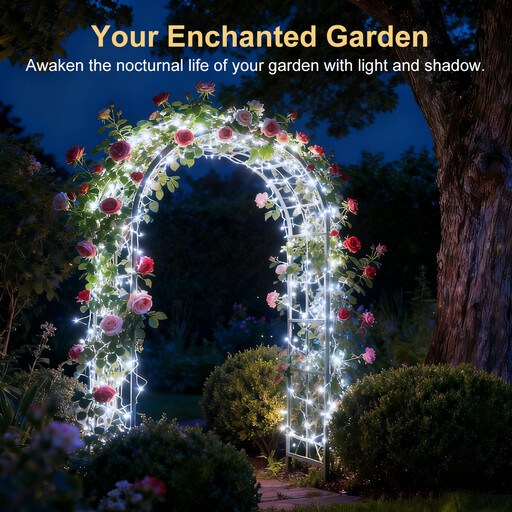
Why This Fits Their Persona: Ideal for creative decoration on a balcony string light or patio. The flexible copper wire is easy to wrap around railings, plants, or furniture while remaining almost invisible. The cool white light creates a modern and bright atmosphere.
With an IP65 rating, this string light is protected not just from splashes but also from heavy rain, thus avoiding the trap of many IP44-only products that fail in bad weather.
The set includes two separate 8-meter strings for flexible decorating options. The 8 lighting modes and memory function offer variety without needing to be reset daily.

Why This Fits Their Persona: Perfect for users who want to create a vibrant atmosphere for garden parties, birthdays, or as outdoor solar Christmas lights. The colourful LEDs provide a cheerful and festive mood.
The integrated memory function remembers the last selected lighting mode. This saves you the hassle of cycling through the 8 modes every day—a common annoyance with simpler models.
The improved solar panel ensures a long runtime of 8 to 14 hours (weather-dependent), so the lights last all night. The IP65 certification guarantees reliability in any weather.
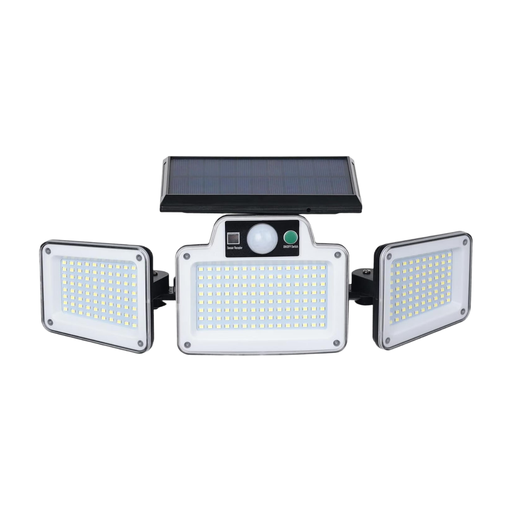
Why This Fits Their Persona: Designed for bright illumination of driveways, garages, or dark garden paths. The motion sensor enhances security and deters unwanted visitors, while also saving energy.
This model solves the problem of dim solar lights. With 280 LEDs and three adjustable heads, it delivers powerful, wide-ranging illumination. The separate solar panel with a long cable allows for optimal sun exposure, even if the light itself is mounted in the shade.
Three modes adjustable via remote control (motion sensor, dim-to-bright sensor, always-on) offer maximum flexibility for security or ambient lighting.
We've compiled a complete, up-to-date list of products that fully meet these strict selection criteria and safety standards.
The lifespan depends on several factors: the quality of the battery, the longevity of the LEDs (often rated for 15,000 hours or more), and, most importantly, the weather resistance of the housing. A well-made product with a high IP rating (e.g., IP65) can function reliably for several years, whereas cheaper models often only last one season.
Yes, but with reduced performance. On cloudy days and during the winter months with fewer hours of sunlight, the charging time is longer and the runtime per night is correspondingly shorter. Models with high-efficiency monocrystalline solar panels and larger batteries have an advantage here.
The most important point is the placement of the solar panel. It should be mounted in a location where it receives as many hours of direct, unobstructed sunlight as possible. Make sure the switch is set to "ON" so the battery can charge. It is recommended to let the string light charge for a full sunny day before its first use. Regularly cleaning the panel of dust and debris will ensure charging efficiency.