
Lieferung heute & morgen

Qualitätsgarantie

Willkommens-Angebote freischalten: KOSTENLOSE Lieferung | Bis zu 80 % RABATT | Kostenlose 30-Tage-JoyPlus-Testphase
App herunterladen
As a Joybuy Product Recommendation Officer, I see every day how easily and cost-effectively an Outdoor Solar Wall Light can enhance a garden, patio, or driveway. Installation without cables and zero running electricity costs is a compelling advantage. However, the market is flooded with products whose promises prove baseless after the first harsh winter. Before you invest, you should know the typical pitfalls that often lead to disappointment and unnecessary expense.
Many products look good at first glance but reveal their weaknesses only in everyday use. Pay special attention to these three points to avoid a bad purchase:
You don't need to be a tech expert to make the right choice. Focus on a few, but crucial, technical features that determine longevity and functionality.
These two values define the character of your lighting.
The IP rating indicates how well a light is protected against the ingress of foreign objects (first digit) and water (second digit). For a wire-free outdoor light that needs to withstand the elements, an IP65 rating is a reliable standard. It means:
A light with this certification can easily survive heavy rain and is therefore suitable for most outdoor installation locations.
The best LED outdoor solar light is useless if it runs out of energy quickly. Its performance depends on two components:
Based on these objective criteria, we have identified products that are particularly well-suited for specific user profiles and their requirements.
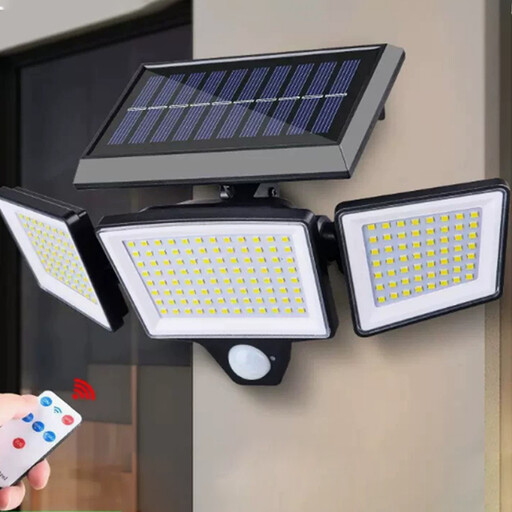
Why This Fits Their Persona: Ideal for anyone who needs maximum brightness and wide coverage to secure driveways, garages, or dark areas of their property. The three adjustable heads allow for flexible customisation of the light beam.
With 3000 lumens and an 1800mAh battery, this model bypasses the pitfall of insufficient brightness and short runtimes. The IP65 certification ensures its weather resistance.
Very high brightness (3000 lm) for maximum security. Three operating modes and a 270° illumination angle offer high flexibility.
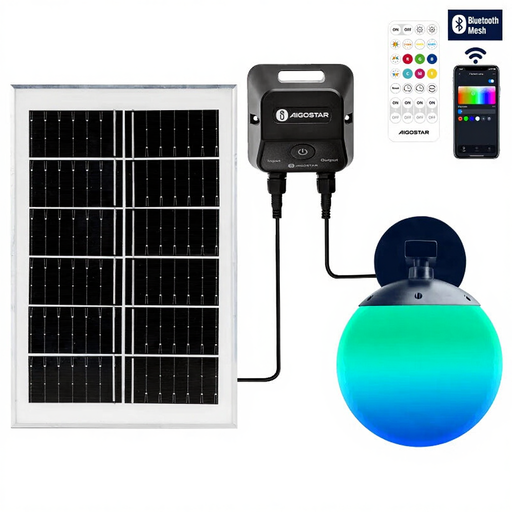
Why This Fits Their Persona: Perfect for users who want to control their lighting via an app and create custom light scenes. The combination of colour and white light (RGBCCT) makes this smart solar light extremely versatile for facades and patios.
Solves the "wrong light colour" problem with adjustable colour temperatures (2700K-6500K) and RGB colours. The monocrystalline panel and 4Ah battery ensure a reliable power supply for its smart features.
Full control over light colour and brightness via app. Bluetooth Mesh technology for networking multiple lights. Modern up-and-down light design.
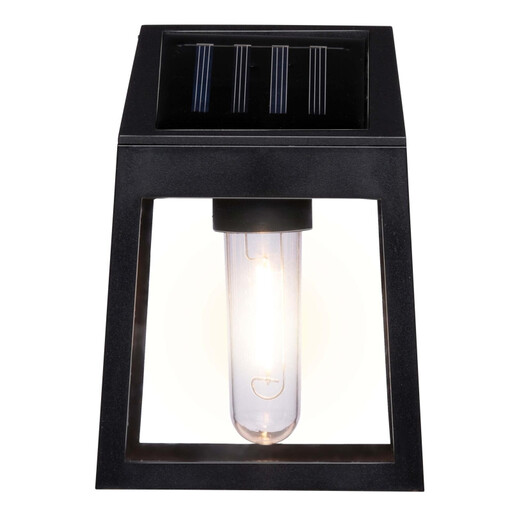
Why This Fits Their Persona: For users looking for a simple, reliable, and aesthetic solar garden lamp. Its minimalist design and warm white light create an inviting atmosphere without any complex configuration.
It focuses on a single function and performs it reliably: providing automatic, warm white light at dusk. This avoids disappointment from complex but poorly implemented features.
Very simple installation and fully automatic operation. Compact and unobtrusive design that blends well into various environments.
We've compiled a complete, up-to-date list of products that fully meet these strict selection criteria and local safety regulations.
The lifespan of a solar light is determined by two main components: the battery and the LEDs. The LEDs themselves often have a lifespan of 30,000 hours or more. The battery is typically the component that loses performance first. With high-quality models, you can expect the battery to last two to four years before the runtime noticeably decreases. Regularly cleaning the solar panel of dust and dirt can significantly extend its lifespan and efficiency.
Yes, but with limitations. In winter, the days are shorter and solar radiation is weaker, which reduces the battery's charging time. A solar light with a motion sensor has an advantage here, as it only lights up when needed, thus saving energy. When buying, look for an efficient (monocrystalline) solar panel and sufficient battery capacity. Correctly positioning the light to face south to capture the limited winter sun is also crucial for its function.
No, and that is the key advantage. A wire-free outdoor light draws all its energy from the sun. The integrated solar panel charges the internal battery during the day. The motion sensor activates the light only when movement is detected, and a dusk-to-dawn sensor ensures it is only active in darkness. This makes installation extremely easy and flexible, as no wiring is required.