
Lieferung heute & morgen

Qualitätsgarantie

Willkommens-Angebote freischalten: KOSTENLOSE Lieferung | Bis zu 80 % RABATT | Kostenlose 30-Tage-JoyPlus-Testphase
App herunterladen
The right gear can be the difference between a successful outing and a frustrating experience. However, the market for outdoor sports accessories is saturated with products making bold claims. Often, it's only after the purchase that you discover a poor fit, material that fails under stress, or an advertised feature that fails in practice. This guide will help you identify common purchasing pitfalls and make choices based on objective criteria.
Before you invest, you should be aware of three common issues that often lead to disappointment:
To avoid these pitfalls, focus on verifiable product features. Three core parameters are particularly important here.
The material specifications are more than just a formality. A blend of polyamide (nylon) and elastane, for example, offers high elasticity and shape retention, which is ideal for cooling arm sleeves or close-fitting apparel. At the same time, such a fibre structure ensures effective moisture wicking away from the skin. For sun protection for sports, a densely woven structure is also crucial to provide physical UV protection that remains effective even after multiple washes.
A product is only as good as its fit. Look for detailed size charts with specific measurements rather than generic labels like S, M, or L. For protective gear, adjustable straps, elastic bands, and segmented protector elements are signs of good adaptability. Good cycling accessories should stay exactly in place during intense movement without constricting or slipping.
Each accessory serves a specific purpose, and its construction should reflect that.
Here are some product recommendations that align with the criteria above and are suited for specific user profiles.
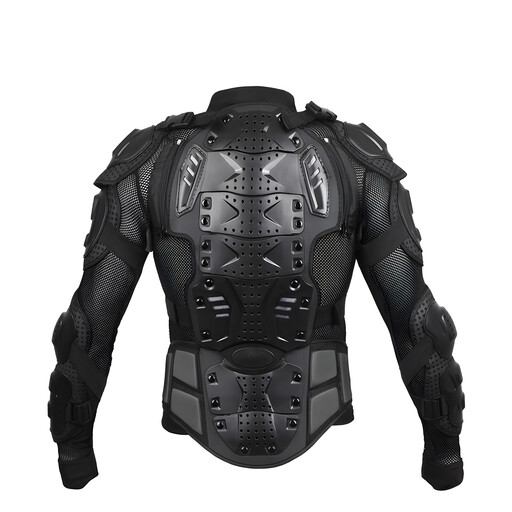
Why it's a match: Ideal for motorcycle and mountain bike riders who need comprehensive protection for their upper body, spine, shoulders, and elbows during off-road or on-road rides.
Comprehensive adjustment options on the shoulder straps, sleeves, and wide waist belt ensure a non-slip fit, bypassing the "one-size-fits-all" trap.
The combination of a hard PE outer shell and shock-absorbing EVA pads provides protection, while the mesh fabric ensures breathability.
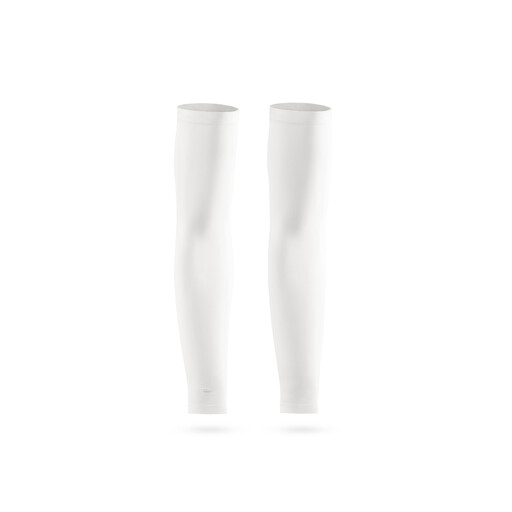
Why it's a match: Designed for cyclists, runners, and hikers who need effective sun protection and cooling for their arms in warm weather and strong sunlight.
The cooling effect is achieved through the yarn technology within the fabric itself, not a coating. This ensures long-lasting function that is maintained even after washing.
The highly elastic material provides a snug but non-restrictive fit that doesn't slip during movement. Available in multiple sizes.
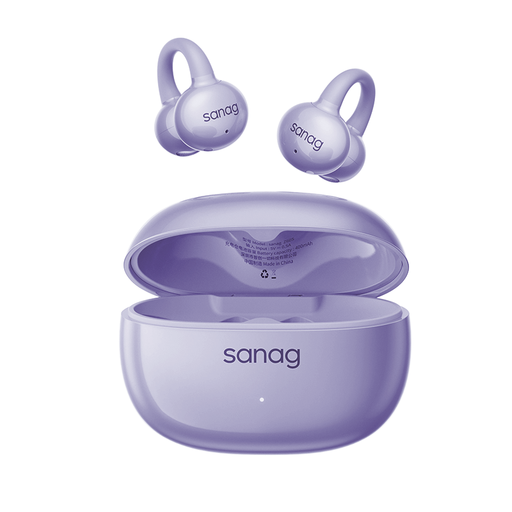
Why it's a match: For athletes who want to listen to music or podcasts while running, cycling, or at the gym without losing awareness of their surroundings.
The open-ear design bypasses the safety risk of traditional headphones. The ear canal remains free, so traffic and ambient noises are still audible.
The clip design ensures a secure fit on the ear, even during intense movement. It creates no pressure in the ear canal, increasing comfort during long sessions.
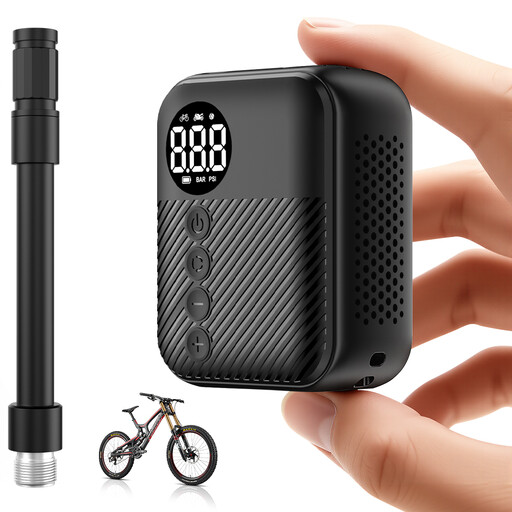
Why it's a match: An essential tool for cyclists on tours or for daily use, allowing them to get mobile again quickly and without great effort after a flat tyre.
Unlike bulky or inefficient hand pumps, this model offers a compact, battery-powered solution that fits into any jersey pocket or small backpack.
The digital pressure display allows for precise inflation to the recommended tyre pressure (up to 150 PSI), which improves riding safety and efficiency.
We have compiled a complete, up-to-date list of products that fully meet these strict selection criteria and applicable safety regulations.
1. How do I choose the right size for arm sleeves or protective masks online? Measure the circumference of your arm (for arm sleeves) or the relevant parts of your face (for masks) with a flexible measuring tape. Carefully compare these measurements with the manufacturer's size chart, which should be available on the product page. Avoid products that only offer one-size-fits-all or vague descriptions like "fits most."
2. Are open-ear headphones really safe for use in traffic? Yes, the design of open-ear headphones is specifically intended to increase safety. Because the ear canal remains unobstructed, you can still hear important ambient sounds like approaching vehicles, bicycle bells, or shouts from other people. This makes them a suitable choice for outdoor sports where situational awareness is crucial.
3. What should I look for when caring for performance apparel with sun protection? Always read the manufacturer's care instructions. It is generally recommended to wash such textiles at low temperatures and to avoid fabric softeners, as they can clog the pores of the fabric and impair breathability. Air drying is often gentler than a tumble dryer and helps to preserve the elasticity and protective function of the material for longer.