Choosing the right outdoor sports eyewear involves analysing technical specifications tailored to your specific sport and environmental conditions. Proper eyewear protects your eyes from UV radiation, wind, insects, and physical impacts, while specialised lens technologies can enhance your visual perception. This article highlights the functional criteria that are crucial when selecting sports sunglasses, cycling glasses, or ski goggles.
Buyer's Guide: What to Look For When Choosing
The performance of sports eyewear is determined by the interplay of its lenses, frame material, and fit. The following parameters are essential for making an informed purchasing decision.
1. Lens Technology and Protective Features
The lenses are the core component of any sports eyewear. Their properties are the primary determinant of visual quality and protection.
- UV Protection: UV400 protection is the standard for high-quality sports eyewear. It blocks UVA and UVB rays with a wavelength of up to 400 nanometres, making it essential for protecting your eyes outdoors.
- Visible Light Transmission (VLT): VLT indicates the percentage of light that passes through the lens to your eye. A low VLT (e.g., 10–20%) is suitable for bright, sunny conditions, while a high VLT (e.g., 60–90%) is designed for overcast days or dusk.
- Polarisation: Polarized sports glasses reduce glare caused by reflections on surfaces like water, snow, or wet roads. This results in higher-contrast vision and reduced eye fatigue, which is particularly beneficial for sailing, fishing, or skiing.
- Anti-Fog Coating: Especially for ski goggles, effective ventilation and an anti-fog coating on the inner side of the lens are crucial to prevent fogging caused by temperature differences and sweat.
2. Frame Material and Construction
The frame material affects the weight, durability, and comfort of the eyewear.
- TR90: This thermoplastic material is extremely lightweight, flexible, and durable. Frames made from TR90 adapt well to various face shapes and maintain their form even with temperature fluctuations.
- Fit and Ventilation: A secure fit is critical to prevent the glasses from slipping during movement. Rubberized nose pads and temple tips enhance grip. Ventilation slots in the frame or lenses promote air circulation and help counter fogging.
- OTG (Over-The-Glasses) Design: For those who wear prescription glasses, special ski goggles for glasses wearers (OTG) are designed to provide enough space inside to accommodate corrective eyewear.
3. Interchangeable Lens Systems
Sports glasses with interchangeable lenses offer maximum flexibility. Magnetic or mechanical click systems allow for a quick and easy lens swap to adapt the eyewear to changing light conditions. For example, you can switch from a dark lens for sunshine to a clear or yellow lens for low-light conditions.
Recommended for Consideration
The following models have been selected based on their technical specifications and functional design.
OutdoorMaster ULTRA Ski Snow Goggles and Lens Bundle

- Why We Recommend This Product: This model combines advanced lens technologies with a highly functional design. The magnetic MagKlick lens-swapping system and OTG compatibility address key requirements for winter sports enthusiasts. The three-lens bundle covers a wide spectrum of light conditions.
- Pros:
- Quick lens change via the magnetic MagKlick system.
- UCT and OVP lens technologies for enhanced contrast and clear vision.
- Effective anti-fog performance thanks to triple-layer foam and a VS-Treatment coating.
- OTG-compatible, making it suitable as ski goggles for glasses wearers.
- Toric lens design for a very wide field of view.
- Who It's For: Skiers and snowboarders looking for high-performance OutdoorMaster ski goggles with maximum adaptability to changing weather conditions. Also a suitable option for glasses wearers.
OutdoorMaster Hawk HD Polarized TR90 Sport Sunglasses
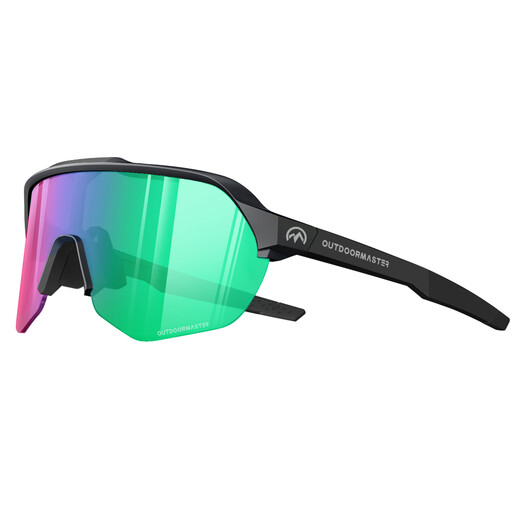
- Why We Recommend This Product: The Hawk HD stands out for its versatility and robust, lightweight construction. The combination of polarized HD lenses and a TR90 frame makes them reliable sports sunglasses for a variety of activities.
- Pros:
- Polarized HD lenses reduce glare and offer distortion-free vision.
- Complete UV400 protection.
- Lightweight and durable TR90 frame with shape memory for a secure fit.
- Includes an interchangeable clear lens for low-light conditions.
- High impact resistance lenses.
- Who It's For: For men and women seeking multi-functional sports glasses for activities like cycling, fishing, sailing, or golf, where glare reduction and low weight are top priorities.
OutdoorMaster Hawk II Polarized Sports Cycling Sunglasses
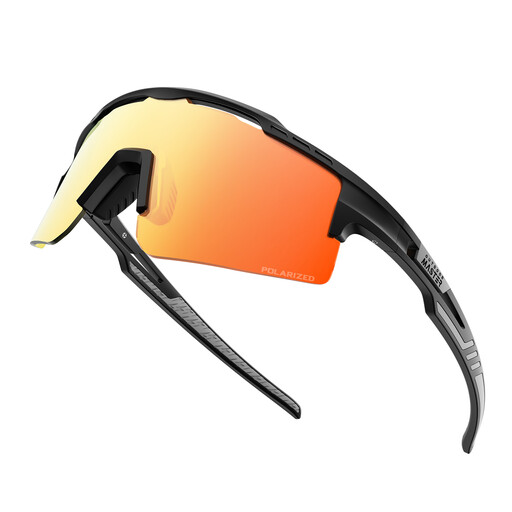
- Why We Recommend This Product: The Hawk II is specifically designed for the demands of high-speed sports like cycling. Its aerodynamic design minimises wind resistance, while the polarized TAC lenses ensure clear vision and protection.
- Pros:
- Aerodynamic frame design to reduce air resistance.
- Polarized TAC lenses with UV400 protection.
- Extremely lightweight and flexible TR90 frame for long-lasting comfort.
- Impact-resistant lenses for clear, distortion-free HD vision.
- Comprehensive accessory package, including a case and retaining strap.
- Who It's For: Especially for cyclists and runners who need specialised cycling glasses that remain stable at high speeds and effectively protect the eyes from wind and glare.
Discover More Options
If the models featured here don't perfectly match your needs, or if you prefer a different frame colour, you can find a wider selection of sports and leisure eyewear in our black glasses category.
Frequently Asked Questions (FAQ)
1. What does VLT mean for ski goggles? VLT stands for "Visible Light Transmission" and indicates the percentage of visible light that passes through the lens. A low VLT number (e.g., 15%) is suitable for sunny days as it lets less light through. A high VLT number (e.g., 70%) is ideal for overcast days or snowfall, as it brightens your view.
2. Are polarized sports glasses suitable for all sports? Polarized lenses are ideal for activities on water or snow, as they significantly reduce glare. However, for some sports, they can interfere with the visibility of LCD screens (e.g., on bike computers or watches). For sports like mountain biking in the woods, where distinguishing between wet and dry patches is important, a non-polarized, contrast-enhancing lens may be more advantageous.
3. How do you clean sports glasses with an anti-fog coating? The anti-fog coating is on the inner surface of the lens and is delicate. Avoid touching the inside or wiping it with rough cloths. For cleaning, use only the provided microfibre cloth. Gently pat the lens dry instead of rubbing to avoid damaging the coating.
Written by: Joybuy Product Recommendation Officer


