
Lieferung heute & morgen

Qualitätsgarantie

Willkommens-Angebote freischalten: KOSTENLOSE Lieferung | Bis zu 80 % RABATT | Kostenlose 30-Tage-JoyPlus-Testphase
App herunterladen
Outdoor toys for children should encourage movement, be suitable for their age and make sensible use of the space available. However, trampolines, bouncy balls, pogo sticks, throwing and catching games, and bouncy castles differ considerably in terms of durability, set-up and safety requirements. Focusing solely on colours, accessories or a particularly large number of features can easily mean overlooking important details.
“From 3 years” or “for children up to 10 years” does not automatically describe whether a product is genuinely suitable. The maximum user weight, the child’s height and the type of movement involved are also crucial. A children’s trampoline with a weight limit of 25 kg is not suitable for larger children or adults, even if the stated age range still appears to fit the product description.
A bouncy castle with a slide, water area, basketball hoop and climbing wall can be used in a variety of ways. Once assembled, however, models like these may require several metres of space. They also need a suitable surface, a power supply for the blower, secure anchoring and thorough drying after use with water.
A pogo stick or bouncy ball requires active supervision. When using a pogo stick, a helmet as well as hand, elbow and knee protection are part of the intended use. With a trampoline, it is important to choose a level location, leave sufficient clearance from obstacles and allow only one user at a time. A safety net does not eliminate every risk and is no substitute for supervision.
Start by comparing:
A bouncy ball with a diameter of 45 to 50 cm and a stated weight capacity of 50 kg may be suitable for children from the age of 3. According to the product information, the John Unicorn Bouncy Ball should only be used under supervision and not by anyone weighing more than 50 kg. Children also need a clear, level area away from stairs, traffic and sharp-edged obstacles.
Do not measure only the footprint; consider the space needed for movement as well. An 8-foot trampoline needs additional safety clearances from fences, trees and buildings in the garden. A 10-foot model consequently requires even more space. For smaller homes, a mini trampoline, a folding fitness trampoline or a compact throwing and catching game is often more practical.
Pay attention to the packed dimensions, the product weight and whether the toy needs to be stored somewhere dry and protected after every use. A water bouncy castle should never be folded away while it is still damp.
For trampolines, frame material, jumping mat, springs or elastic bands, edge cover and safety net are important details. According to the product information, SPORTSOUL models are made from materials including steel, polypropylene, foam and netting. Some versions use 24 elastic bands, while others have 36, 40, 56 or 64 steel springs.
Any stated standards should be understood as technical product information and not as a blanket guarantee of safety. Several SPORTSOUL trampolines, for example, list EN ISO 20957-1, ASTM F2276 or, for Crown Series models, ASTM F381 and ASTM F2225. You should also check the current labelling, assembly instructions and warnings for the specific product listing.
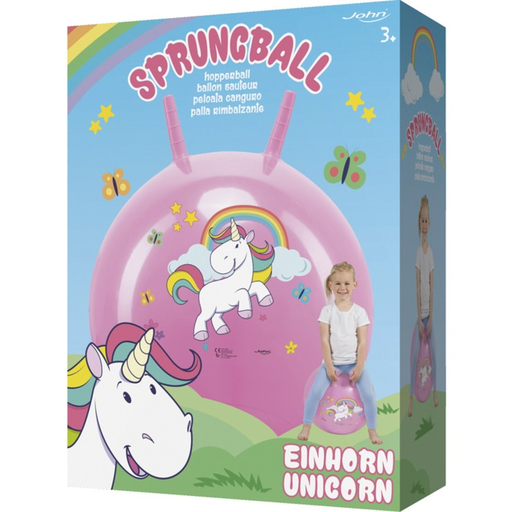
Why this product suits this profile: The bouncy ball takes up very little storage space, is designed for indoor and outdoor use, and can be inflated with a standard air pump.
The product details clearly state the age limit, diameter and weight capacity. This makes it easier to compare the specifications with the actual user’s weight.
45–50 cm diameter, maximum load of 50 kg, PVC material and wipe-clean surface.
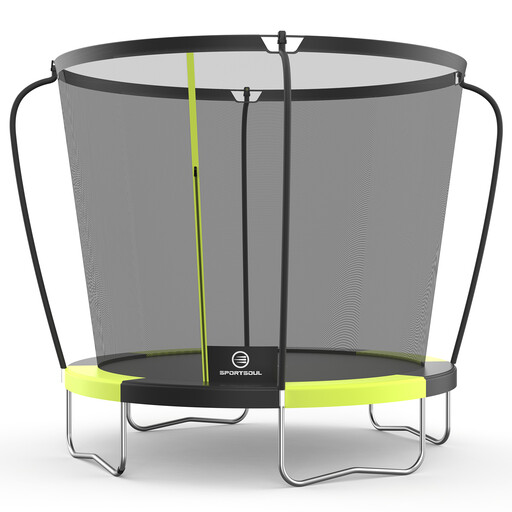
Why this product suits this profile: This model is designed for garden use and combines a steel frame, polypropylene mat, safety net and foam spring protection.
The set specifies single-user operation, a net enclosure, level positioning and regular checks of the springs, mat and frame.
8-foot format, 56 steel springs, four legs, plus safety net and spring protection according to the product information.
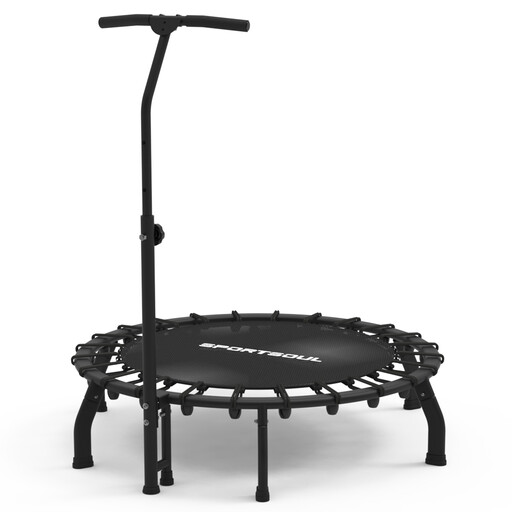
Why this product suits this profile: Adults with limited space get a compact fitness trampoline with a diameter of 106.8 cm and a stated weight capacity of 120 kg.
The specified weight limit helps prevent a children’s model from being chosen accidentally for adult users. Use remains limited to one person at a time.
42-inch format, elastic cords, steel frame and stated standards including EN ISO 20957-1 and ASTM F2276.
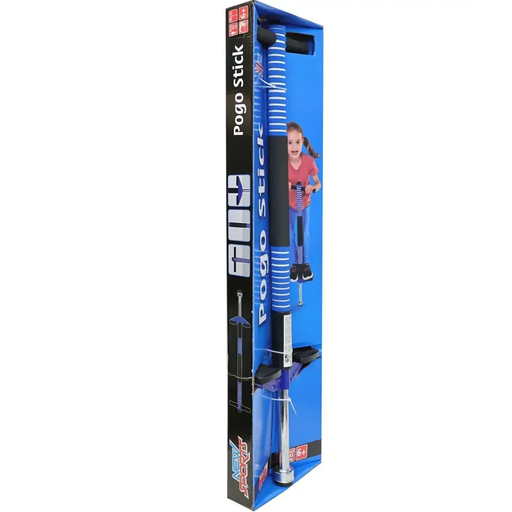
Why this product suits this profile: According to the product details, the 95 cm-high pogo stick is intended for children aged 6 and over and designed for active use on level outdoor surfaces.
The product description states the age limit, maximum load of 45 kg, protective clothing requirements and need for direct supervision. Roads, stairs, water and slopes are excluded.
95 cm height, compact dimensions of approximately 95 × 23.5 × 5.5 cm and a weight capacity of up to 45 kg.
We have put together a complete, regularly updated list of products that fully meet these strict selection criteria and the safety regulations applicable in the EU.
Depending on the manufacturer’s specifications, children from around the age of 3 may be able to use a bouncy ball, simple throwing and catching games or an age-appropriate children’s trampoline. The specific age recommendation, weight limit and the child’s ability to follow instructions are always decisive. Because of the risk of falling, a pogo stick is generally intended for older children.
Its lifespan depends on the materials, use, weather and maintenance. Before every use, check the mat, frame, springs, elastic bands, padding and net. When it is not in use, a trampoline should be protected from severe weather. Damaged parts are a reason to stop using the product.
In addition to the purchase price, there may be electricity costs for the blower, water consumption for a water bouncy castle and, potentially, replacement parts. The blower must remain switched on throughout use if this is specified in the instructions. Before buying, you should therefore factor in the blower’s power requirements, the set-up area, anchoring and drying.