
Lieferung heute & morgen

Qualitätsgarantie

Willkommens-Angebote freischalten: KOSTENLOSE Lieferung | Bis zu 80 % RABATT | Kostenlose 30-Tage-JoyPlus-Testphase
App herunterladen
Outdoor toys for children should encourage movement, be easy to carry and suit the child’s age. In practice, however, flashy colours, so-called multi-functions and unclear safety information don’t always lead to a good buying decision. That’s why parents and grandparents should check a few objective criteria before making a purchase.
With some products, the information in the title, description and safety warning can differ. For example, a toy might be described as suitable from 3 years in one product line, while elsewhere a recommendation of 5 years and over is given. What matters are the safety instructions on the packaging and in the product description. With small parts, balls that bounce high or throwing toys, the individual skill level of the child is also crucial.
A product may be suitable for both indoor and outdoor use in principle, but be unsuitable for certain surfaces. A ball with a strong bounce needs a hard, clear area. A throwing toy needs enough distance from roads, windows and other people. So before you buy, it should be clear whether the toy is intended for the garden, park, beach, indoors or water.
Inflatable active toys may need a pump. Electronic toys need to be charged and must not be used while charging. With sets containing several pieces, a storage bag or suitable box is also handy. A seemingly cheap product can therefore require additional purchases.
For toys for children aged 3 and over, parents should pay particular attention to small parts that could be swallowed. With a bouncy ball, the diameter and maximum weight capacity are key. The John Unicorn Bouncy Ball is described in the product details as having a diameter of approximately 45 to 50 cm and a maximum weight capacity of 50 kg. According to the instructions, it should only be used under supervision and is not intended for anyone over 50 kg.
The size of ball toys also affects how easy they are to handle. A lightweight ball around 10 cm in diameter is more suitable for toddlers than a heavy sports toy. For throwing and catching games for older children, a larger model can make sense.
Look for details on material, workmanship and warning labels. With the XINQIYUAN construction set, the product description mentions ABS plastic with smooth edges. At the same time, the set contains small, strong magnets. These can cause serious harm if swallowed. The set is therefore not suitable for children under 3 years old and should be checked regularly for cracks or exposed magnets.
For plastic products, clear information such as material, cleaning instructions, manufacturer details and recommended age group is helpful. Statements like “non-toxic” or “safe” should not be taken at face value. What matters are the specific warnings and the intended use.
For toys for the garden and park, you should realistically assess the space needed. A throwing toy needs a clear area; a boules set can be used on grass, sand or a hard surface. After playing, products should be stored dry and clean. With inflatable balls, it’s a good idea to check for cracks, and with electronic toys, the battery should not be damaged or opened.
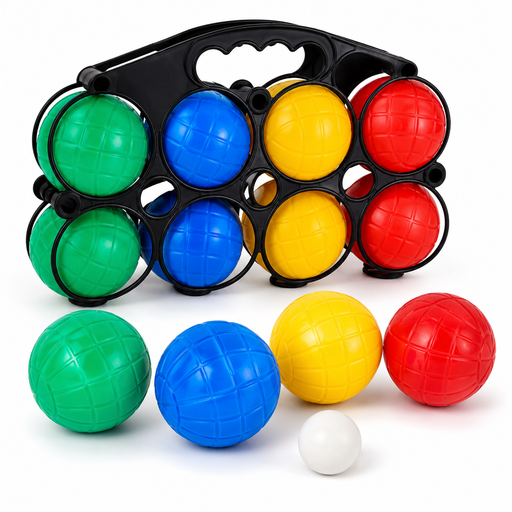
Why this product fits the profile: The set contains eight balls and is designed for simple family games in the garden or park. It doesn’t need batteries and can be stored dry after use.
The contents are listed as an 8-piece set. This means you don’t have to buy several individual items for a game round.
Multiple balls for group play; suitable for family activities and creative game sessions.
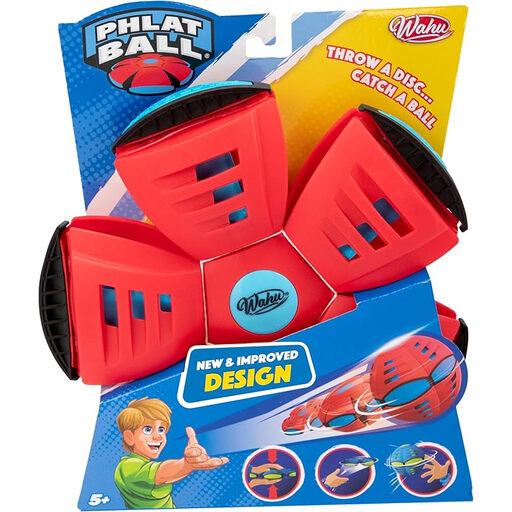
Why this product fits the profile: The combination of frisbee and ball offers two ways to play in one compact product. According to the product details, the model is intended for children aged 5 and over and is designed for the garden, park and beach.
The product data lists dimensions, weight, material and the fact that no batteries are needed. However, you should still check the age recommendation on the packaging before buying.
2-in-1 concept; collapsible and relatively portable at around 300 g.
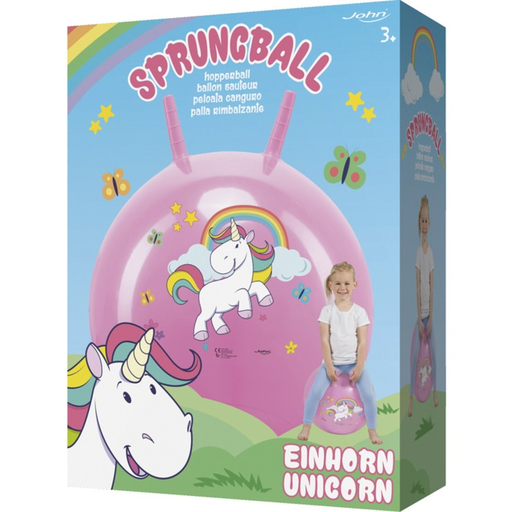
Why this product fits the profile: According to the product description, the bouncy ball is aimed at children from 36 months and can be used both indoors and outdoors. It is intended for active play sessions on a clear, safe surface.
The maximum weight capacity of 50 kg is clearly stated. A pump is needed for inflation and should be factored into your purchase planning.
Handles for gripping; manual inflation; according to the product details, PVC with phthalate-free construction to EN 71-6.

Why this product fits the profile: The compact ball, around 6.3 cm in diameter, is intended for children aged 5 and over according to the product details and can be used on hard surfaces indoors or outdoors.
The intended surface is clearly stated: the ball should not be used on soft surfaces. This makes it easier to assess where to use it beforehand.
Lightweight at around 56.7 g; no batteries required; compact size for trips out.
We’ve put together a full, regularly updated list of products that fully meet these strict selection criteria and the safety regulations in force in the EU.
Products with a clear age recommendation, easy-to-grip shapes and no accessible small parts are suitable. With balls, bouncy balls and throwing toys, adult supervision is advisable. The information on the packaging and product page should match; if there are discrepancies, the stricter age recommendation should be followed.
The lifespan depends on the material, how much they’re used, the weather and storage. Plastic should be checked regularly for cracks and not stored permanently in direct sunlight or damp conditions. Inflatable products need to be checked for loss of pressure and damage. Throwing toys will last longer if they’re not used for purposes they weren’t designed for.
Many simple products like boules sets, balls or frisbees don’t need a power source. With inflatable toys, a pump may be needed. Electronic models don’t normally incur ongoing running costs, but they do need to be charged and used in line with the safety instructions.