
Lieferung heute & morgen

Qualitätsgarantie

Willkommens-Angebote freischalten: KOSTENLOSE Lieferung | Bis zu 80 % RABATT | Kostenlose 30-Tage-JoyPlus-Testphase
App herunterladen
A well-chosen outdoor wall light not only enhances your home's facade but also ensures safety along pathways and in the entrance area. However, the market is flooded with products whose promises fall short after the first winter. A light that rusts after a few months, barely illuminates the ground, or has a solar panel that fails in the local climate is a real nuisance. Before making a decision, it's crucial to understand the common pitfalls to find a durable and functional solution for your outdoor wall-mounted light.
The three most common problems are:
To avoid these issues, it's essential to focus on objective technical specifications rather than marketing buzzwords. Three criteria are crucial when selecting a suitable outdoor wall light.
The IP (Ingress Protection) rating is a two-digit code that indicates how well an electrical device is protected against the ingress of foreign objects (first digit) and water (second digit). For a weatherproof outdoor wall light, two levels are particularly relevant:
The longevity of a light depends directly on its material. Pay close attention to the exact material specification and the type of surface finish.
The choice of power source and bulb type determines operating costs, brightness, and functionality.
We have identified models that represent a considered choice for various applications based on their technical specifications and materials.
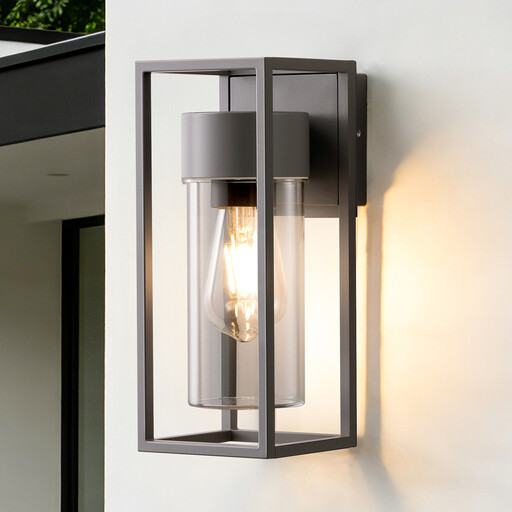
Why it's a good fit: Ideal for basic wall lighting on a balcony or for sheltered entrance areas. Its modern, minimalist design in anthracite blends discreetly into many environments without breaking the bank.
The corrosion-resistant aluminium housing avoids the inferior materials trap. The IP44 rating is honestly stated and sufficient for its intended use in sheltered locations.
Flexibility thanks to a replaceable E27 bulb, allowing you to choose the brightness and light colour. Simple installation according to the manufacturer's instructions.
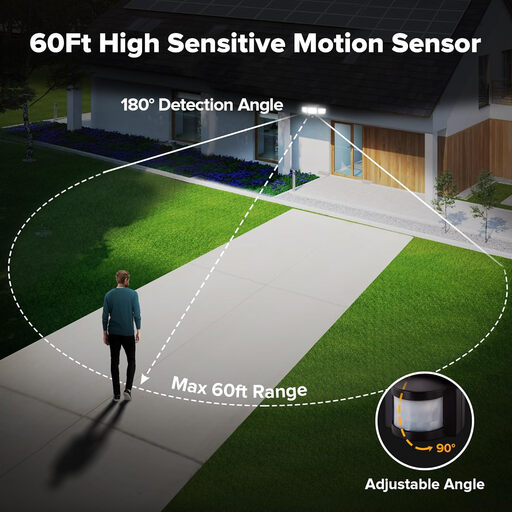
Why it's a good fit: Perfect for illuminating large areas like driveways, gardens, or dark corners of your property where security is a priority and no power outlet is available.
This model counters the "weak solar light" pitfall with a high light output (3000 lumens, according to the manufacturer), a powerful battery, and an efficient panel. The IP65 rating ensures it can withstand heavy rain.
Powerful illumination and a wide detection range for the motion sensor. The three adjustable heads allow for flexible light positioning. No electricity costs and simple installation.
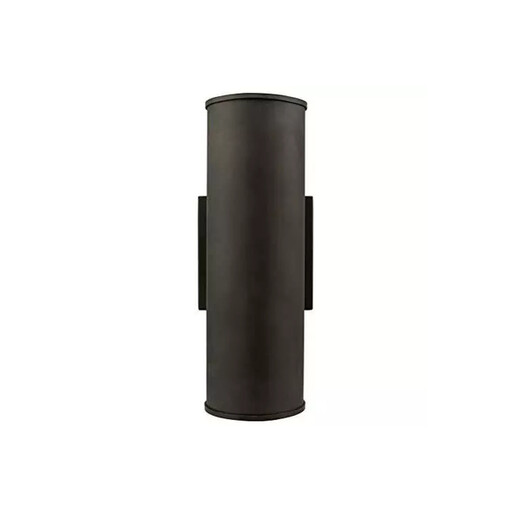
Why it's a good fit: For homeowners who want a modern outdoor wall light to serve as an architectural feature. The high-quality craftsmanship and stylish lighting effect will enhance any facade.
This up-and-down outdoor light avoids the material pitfall with a weatherproof housing featuring an oil-rubbed bronze finish. The integrated LED technology ensures a long lifespan and low maintenance.
Creates an elegant up-and-down light effect that accentuates the architecture. The integrated, energy-efficient LED technology provides warm white light for a welcoming atmosphere.
We have compiled a comprehensive, up-to-date list of products that fully meet these strict selection criteria and all relevant safety standards.
The IP rating indicates how well a light is protected against the ingress of foreign objects (first digit) and water (second digit). IP44 signifies protection against splashing water and is sufficient for covered areas. IP65 signifies protection against water jets and is recommended for unsheltered areas exposed to heavy rain.
A common recommendation is to mount it at a height of approximately 1.80 to 2.20 metres (about 6 to 7 feet) above the ground. At this height, the lamp illuminates the area well without causing glare. For lights at an entrance, the height should be chosen so that faces are clearly visible. Always follow the manufacturer's installation instructions.
No, and this is an important distinction. There are models with permanently integrated LED modules and those with standard sockets (e.g., E27). Integrated LEDs often have a very long lifespan (frequently 20,000 hours or more, according to manufacturers), but they cannot be easily replaced at the end of their life; the entire fixture must be replaced. Models with replaceable sockets offer more flexibility.